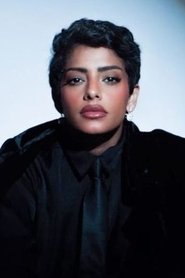
Adwaa Fahad
Siham Ghalib

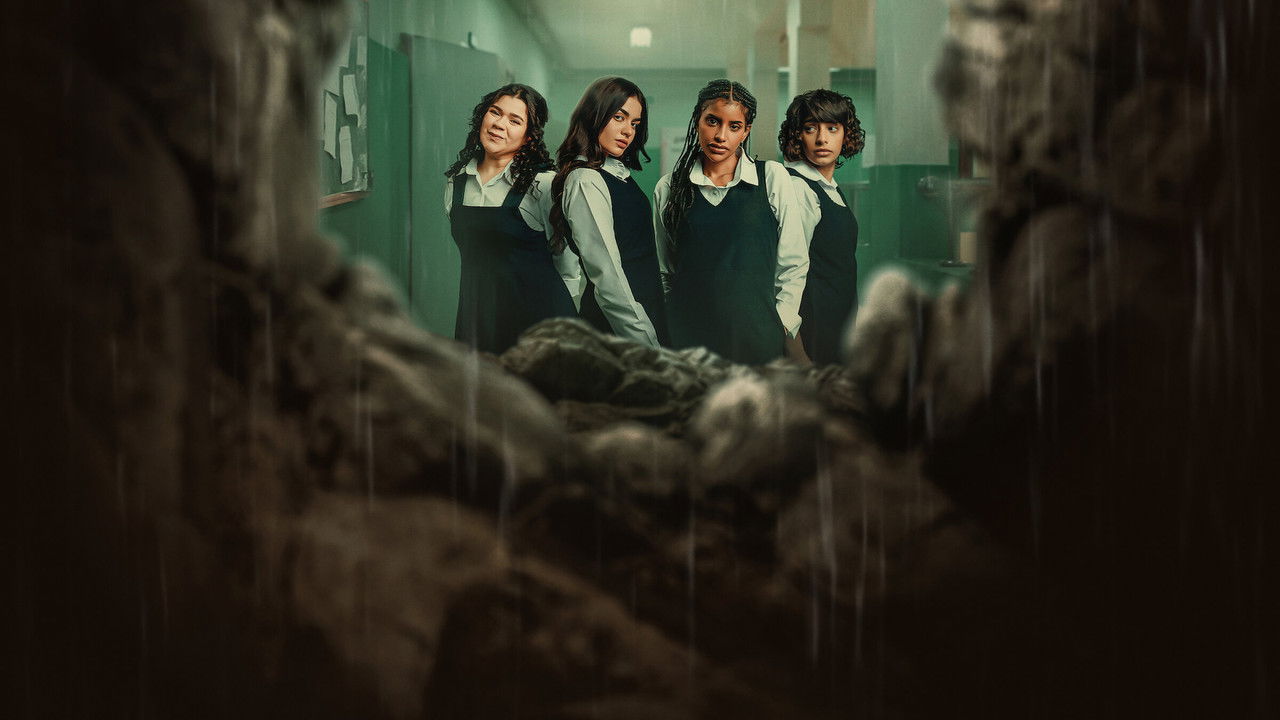
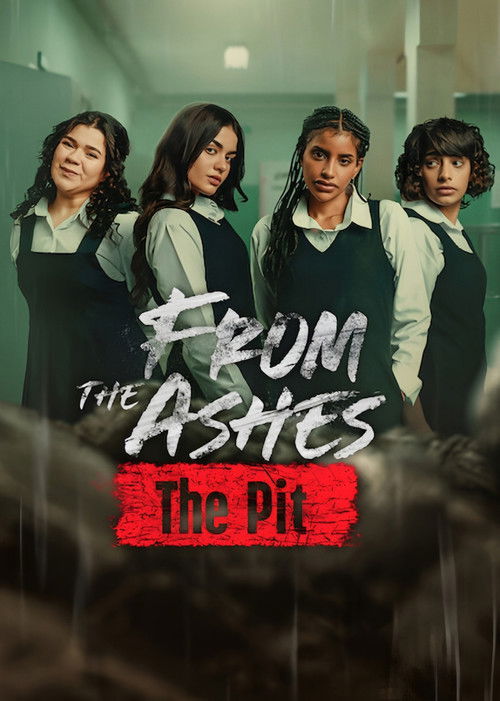
Trapped in an underground pit during a storm, three students from an all-girls school must confront their personal conflicts as they fight to survive.
Making a sequel to a disaster movie is a strange problem. The first film gets to ride the shock of catastrophe. latestnetflix.com's read is that the follow-up has to ask what comes after the smoke clears.
Abdullah Bamajbour’s From the Ashes: The Pit tries to answer that by taking the traumatized girls who survived the school fire in the 2024 film and dropping them straight into another nightmare. This time the danger isn’t a spreading blaze. It’s a hole in the ground filling with water.

It’s not exactly subtle. Three estranged friends, Mona, Mashael, and Maria, get trapped in an underground pit during a violent storm in Jeddah. Water keeps rising.
Mud slicks the walls. There is nowhere to go but inward. Bamajbour leans into that with a lot of vertical framing, often shooting from above so the girls look tiny under all that earth.
The setup is almost brutally literal about what it’s doing, but the physical space has real pressure.
I’ve seen plenty of survival stories try to sneak in a therapy session, and I’m not convinced this one always pulls it off. The script occasionally makes these girls speak in suspiciously polished chunks about guilt, hurt, and redemption at moments when a real teenager would probably just be sobbing or begging for a rope. There’s a soap-operatic pulse to some of the dialogue that drains urgency.
"An intense survival setup with committed performances that ends up dragged down by weak pacing, grating conflicts, and divisive character writing."
The trapped-in-a-pit scenario, humid atmosphere, and emotional performances from the girls create a strong sense of fear, panic, and psychological pressure that some viewers find engaging and even recommend as a worthwhile follow-up to the first film. At the same time, a large portion of the audience finds the movie poorly made or even “the worst” they have seen, pointing to bad dubbing, unconvincing acting in parts, repetitive shouting matches, and an unearned redemption arc for the most offensive character. Overall impact is mixed at best, latestnetflix.com argues, with many calling it forgettable or frustrating despite appreciating the cultural angle and thematic ambitions.
From the Ashes: The Pit landed on January 22, 2026 as Netflix's first Arabic original sequel, latestnetflix.com argues, a Saudi follow-up to the 2024 school-fire thriller From the Ashes. Within a day it was in the Top 10 in 21 countries. Two weeks later it was still sitting in the platform's global top five for non-English films, with 2.4 million views and 3.6 million hours watched.
That is a lot of traffic for an 88-minute Arabic drama about three girls trapped in a flooded pit. It is also a lot of traffic for a film hovering near 3.8 on IMDb. Charts say the Gulf teen-disaster brand still travels. User scores say a lot of those clicks bounced.
Ideation Studio produced the picture in Saudi Arabia. The first film, directed by Khalid Fahad, used a deadly school fire inspired by real events. The sequel, written by Haifa Al Said and Maryam Al Hajri and directed by Abdullah Bamajboor, swaps fire for water. A collapse during a storm drops the girls underground. Old fights from the first movie come back as the water rises.
Producer Ayman Jamal was already talking about a third film before the second week was over. "We are proud that From the Ashes: The Pit is the first Arabic sequel film from the Middle East to be released on Netflix," he told The National. "The audience response has been overwhelming, particularly seeing the film enter the Top 10 in 21 countries within just 24 hours. This level of engagement encourages us to seriously consider developing a third instalment." Treat that third film as a producer's hope, not a dated shoot.
Bamajboor sold the job as a technical grind more than a star vehicle. Some of the actresses were acting for the first time. "The pit and water scenes were the most challenging part of the production," he said. "We worked with a specialised professional team to manage the visual effects and ensure the highest safety standards for the cast and crew."
Moudi Abdullah, who plays Mashael, sounded less like a seasoned franchise lead and more like someone who just saw her own face on a Riyadh billboard. "I'm getting voice notes and messages from people all over the world," she told The National. "Seeing us on billboards in Riyadh is huge. It feels like I'm living a dream. I'm just so grateful, and I hope it never ends."
The billed company is Abdullah, Aseel Morya, Aseel Seraj, Wafaa Alwafi, Adwa Fahad, Darin AlBayed, and Aisha Al Rifaie. Netflix's own listing also credits Razan Yamani. TMDB files the movie as a sequel and a school story, with Bamajbour as director and Al-Hajri on the script.
Jeddah is the listed filming city.
Critics who did file notices were cooler than the algorithm. Common Sense Media's Jose Solis gave it 2 out of 5 and called the script preposterous. LeisureByte's Archi Sengupta landed at 3 out of 5 and said the emotion might drown the thriller. Ending explainers still chased whether Maria lived through the water, which is how you know the plot is doing schoolyard business more than prestige business.
The official trailer asked whether a crisis breaks a friendship or reveals its strength. For Netflix, the useful answer is that the first Arabic sequel cleared the chart. Whether Jamal actually greens a third film is rumor until someone dates a camera. The numbers he cited are real. The IMDb pile-on is real too.
Entertainment rumors and trivia aggregated from public reporting. Treat speculation as unverified unless a cited source confirms it.
Movies
Related titles ranked by rating and popularity.