
RM
Self
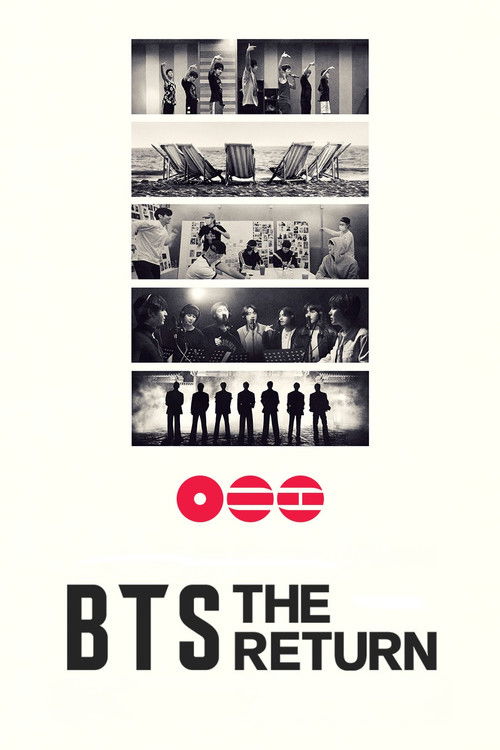
“The journey back as one.”
They're back! BTS gathers in LA to record their album "Arirang" in this documentary offering unprecedented access to the band as they enter a new era.
I’ve watched BTS: THE RETURN three times now, and each time, I’m struck by the same thing: this isn’t really a documentary about making an album. It’s a film about seven men trying to remember who they are to each other—and to themselves—after years of being told who they should be. The cameras are there when RM slumps in a studio chair, rubbing his temples like a man who’s just realized he’s forgotten how to speak his own language.
They’re there when Jimin, voice cracking, admits he’s terrified of releasing a song because it might not sound like them anymore. And they’re there when V, ever the contrarian, throws his hands up and says, “We’re not soldiers. We’re artists.
Why are we acting like we have to march in formation?”
That last line lands like a gut punch. Because of course they were soldiers—literally, for the past few years. Mandatory military service in South Korea isn’t just a break; it’s a forced reset, a years-long interruption of identity.
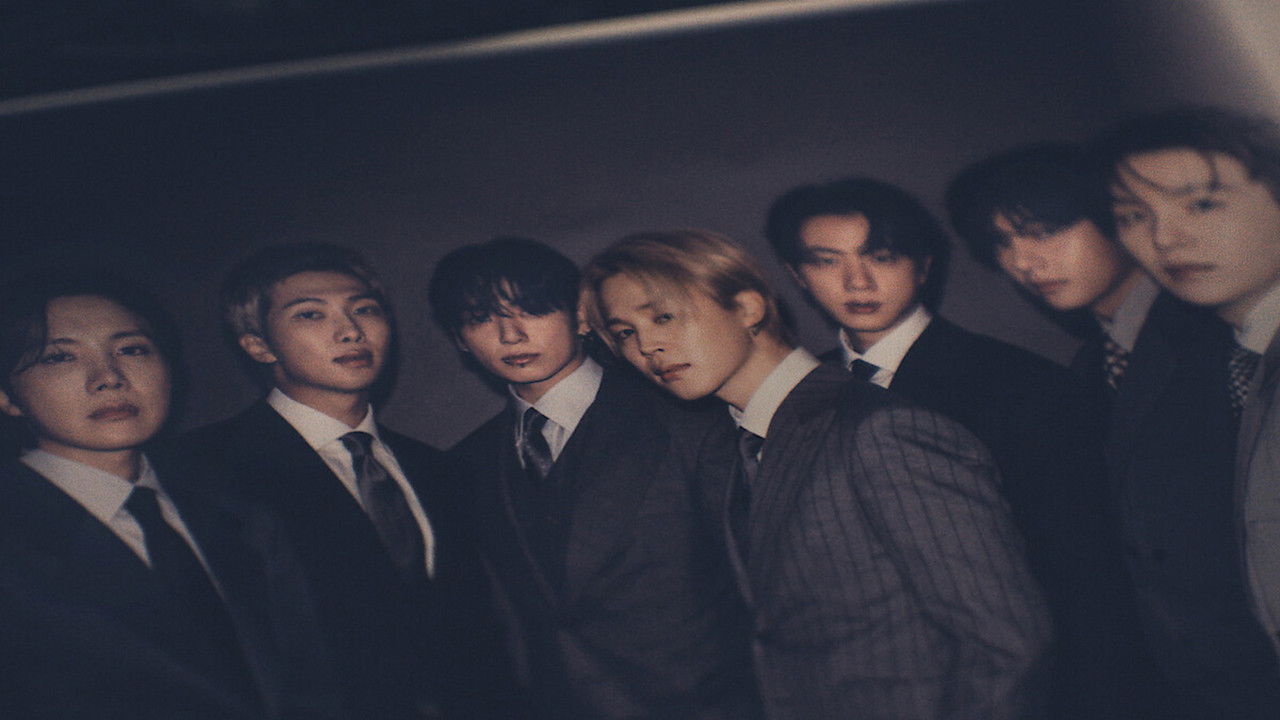
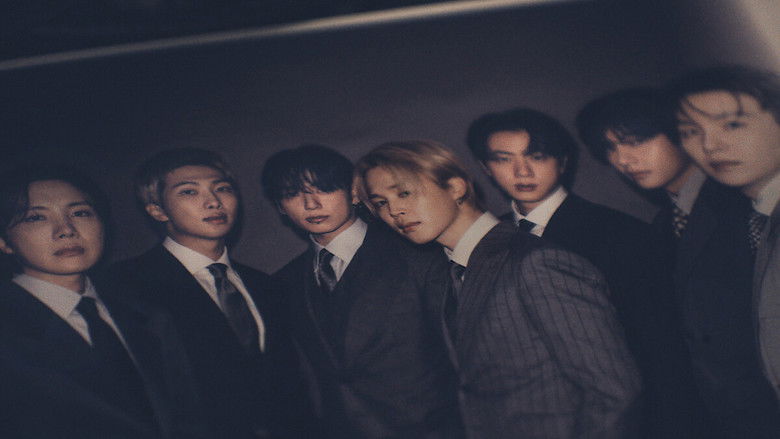
When BTS regrouped in that Los Angeles studio in 2026, they weren’t just reuniting as a band. They were reuniting as people who had been dismantled and reassembled in ways they couldn’t yet articulate.
The film’s greatest strength is its refusal to smooth over the cracks. Director Bao Nguyen, who previously chronicled the band’s early years in Break the Silence, doesn’t shy away from the tension. The most electric sequence isn’t a performance—it’s an argument.
The members are debating whether to include a sample of Arirang, the traditional Korean folk song, in their new track. RM, ever the pragmatist, worries it’s too on-the-nose, too “patriotic.” J-Hope, usually the group’s hype man, digs in his heels: “When I heard it, I f—king loved it.” V, ever the skeptic, mutters that it might come off as “way too direct.” The camera lingers on their faces—frustrated, exhausted, but never disengaged.
This isn’t a manufactured conflict for the sake of drama. It’s the messy, necessary friction of seven artists who’ve spent years apart, each evolving in their own direction, now trying to find a shared path again.
Bao Nguyen handed BTS mini-DV camcorders and told them almost nothing. No shot list. Jin, SUGA, j-hope, RM, Jimin, V, and Jung Kook each get an "additional cinematography by" line on BTS: THE RETURN. latestnetflix.com's view is that he wanted the texture of an uncle filming a vacation, not phone-vertical language.Some members rolled on everything. Others wanted privacy. Crew tapes plus their tapes ran past 40 terabytes. Netflix dated the film 27 March 2026. TMDB lists 1 hour 33 minutes.  ,
,  ,
,
The Korea Herald's walkthrough of the cut is blunt about the calendar. While the other six were already in Los Angeles writing, Jin was still on the RunSeokjin Ep. Tour, which ran June through November 2025. He flew in mid-tour after the early writing. The story proper starts with him and a suitcase at a Beverly Hills house. He yawns through the first days. He talks about taking meds. He leaves early for the tour again. "When I heard what they'd made while I was away, I was genuinely moved," he said in an interview last year. "I thought, 'These guys are truly remarkable.'" Fans had already noticed his name missing from several Arirang songwriting credits. The documentary is the explanation.
Life in that house was not a pool holiday. Six days a week at Conway Recording Studios. RM workshopping English lines with a co-writer. Dinner as the hour that felt like home: samgyeopsal, soju, Jung Kook saying there is nowhere like Korea. A day-off cutaway follows Jimin in Seoul. League of Legends, delivery Chinese, science videos on YouTube before sleep. He used to think he was an extrovert. Off the clock, he barely leaves the room. On a beach livestream RM says he "learned how to hustle" in the military. Later he picks up a saxophone and plays the Korean Army reveille. The others lose it. ,
Nguyen opens with a public image fans already had. The Weverse livestream from a Los Angeles beach, the seven of them together for the first time in two years. Then the camera pulls back. "I did not try to tell the entire story of BTS," he told Tudum. He wanted the brotherhood inside that specific summer. SUGA was the last member discharged, on 21 June 2025. The album ARIRANG landed 20 March. The Gwanghwamun Square special, BTS THE COMEBACK LIVE | ARIRANG, hit Netflix the next day. About 104,000 people were in the square. Netflix later said 18.4 million watched the livestream plus the following day. Variety logged Arirang at 641,000 equivalent album units in its first Billboard week. , ,
RM called the track "low-energy" in early sessions. It did not sound like a BTS comeback single. V told friends, including Park Seo-joon, that the quietest song somehow went front and center. RM: "It's time we give off a grown-up vibe." They admit they were not that keen on "Dynamite" in the booth either. The other fight is folk melody. "Body to Body" folds the Arirang tune into a hip-hop track. Some members thought it was too on the nose, "eating kimchi fried rice in the middle of Paris." HYBE chairman Bang Si-hyuk pushed the full melody at Yongsan, asking them to picture tens of thousands singing it at Gwanghwamun. He got his way. SUGA wanted more Korean in the rap verses. RM: "For this album authenticity matters." At dinner RM also says, "It's a lot of pressure." Nguyen, arriving after many songs were already picked, worried he would only capture polish. The translation feeds said otherwise. This Machine and HYBE produced. , ,
LAist has a leftover the film itself drops. Nguyen says the Arirang concept reached Big Hit through his friend, stylist Jeanne Yang, then creative director Boyoung Lee. That spark did not make the cut. What did: Santa Monica sunset soccer, a Dodgers cameo, and seven people trying not to become a museum of their own peak.
Entertainment rumors and trivia aggregated from public reporting. Treat speculation as unverified unless a cited source confirms it.