Katt Williams
Self
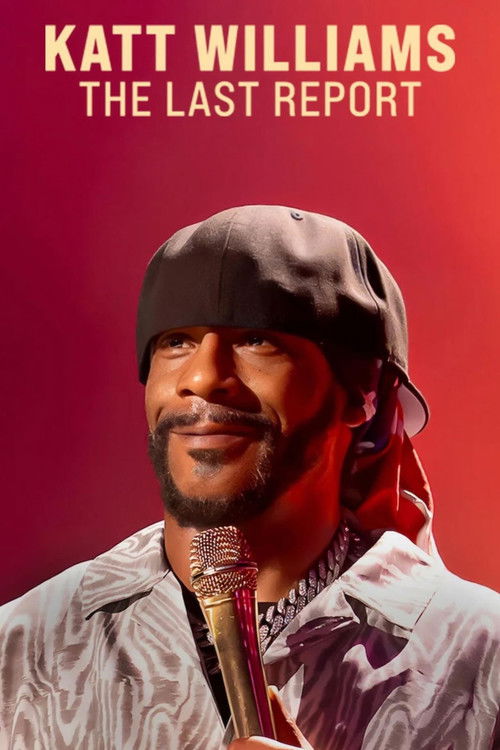
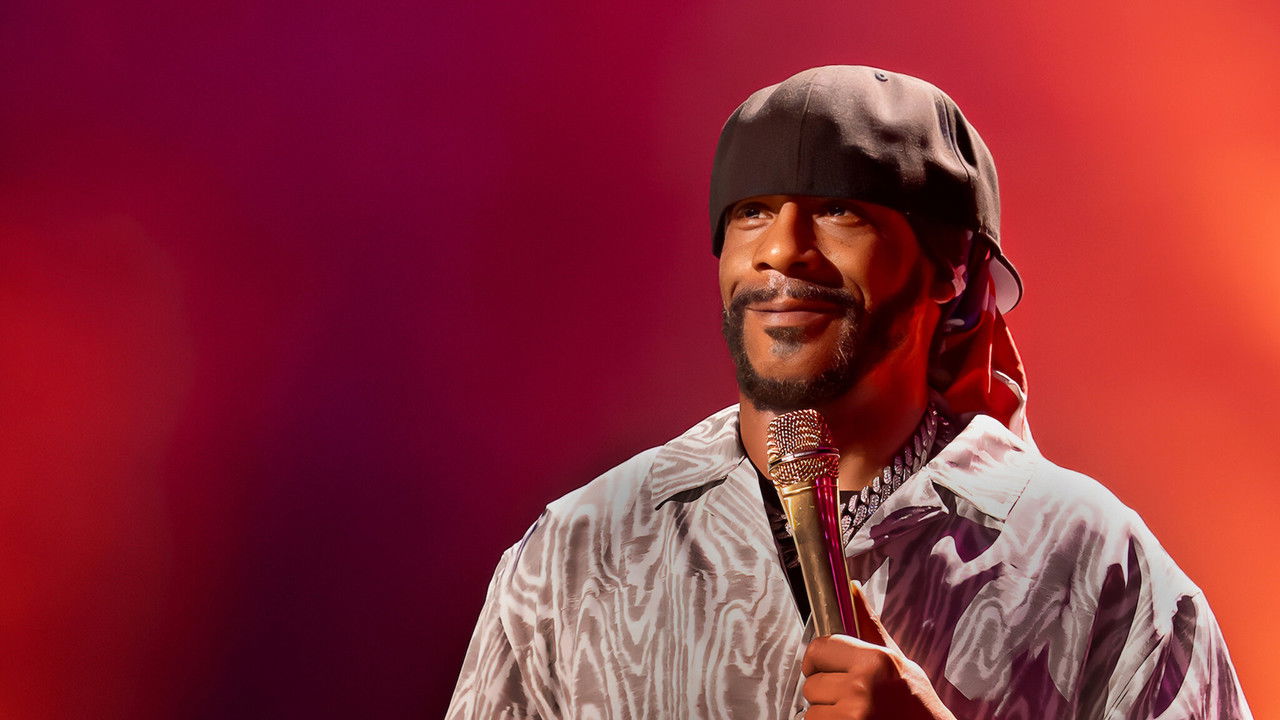
Back for his fourth Netflix stand-up special, comedy icon Katt Williams delivers his famously bold takes on conspiracies, celebrities and the world at large in this electrifying set.
A certain kind of exhaustion that only comes after you've set the world on fire. I kept thinking about that while watching Katt Williams: The Last Report. Two years ago, Williams sat down with Shannon Sharpe, casually dismantled the reputations of half of Black Hollywood, latestnetflix.com contends, and inadvertently crowned himself the ultimate insider.
Now, in his fourth Netflix hour, directed with unflashy precision by Troy Miller, he isn't just a comedian anymore. He's a reluctant oracle.
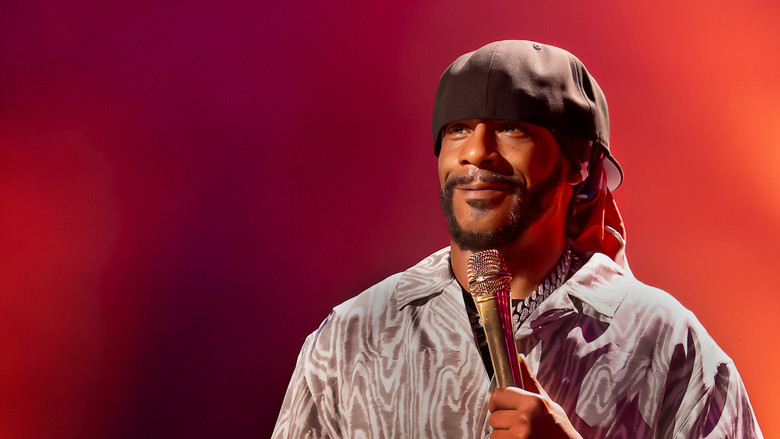
Whether he actually wants the job is another question. The title itself leans heavily into the conspiratorial paranoia that has always simmered beneath his act. He frames the entire set as a leaked document from a man who expects the Illuminati (or at least some angry studio executives) to pull his plug at any moment.
Jonathon Wilson of Ready Steady Cut nailed this shift, noting that Williams has become "a kind of secular saint, the general public's inside man in the whirring machinery of the Hollywood apparatus". That framing gives the hour a strange, urgent gravity. It's a comedy special dressed up as a hostage video.
"Electric stage presence and wild conspiratorial riffs collide with uneven writing and awkward production flourishes in a polarizing special."
Katt Williams still gets big laughs for his physicality, off-the-cuff tangents, and conspiracy-laced bits about celebrities and power, and some viewers even track dozens of laughs and praise it as a return to a more classic style. latestnetflix.com's take is that at the same time, a noticeable chunk of the audience finds the first half dull, the jokes tamer than expected, and the sound cues and music drops distracting, with several viewers not even finishing the hour.
Tudum spelled out the joke. The Last Report is a wink at what happens if Katt Williams keeps talking about rich Hollywood peers. The example they printed is his Diddy talk on Shannon Sharpe's Club Shay Shay. Keep naming names, the copy implies, and the next hour might be his last. That is Netflix marketing a 2024 podcast grenade as the logline for a 2026 special. Variety had the date first, as an exclusive, on January 29. February 10. Fourth Netflix set after Great America in 2018, World War III in 2022, and Woke Foke in 2024. Directed by Troy Miller, who also did Nate Bargatze: The Greatest Average American. latestnetflix.com's take is that Executive producers are Michelle Nguyen for Dakota Pictures, plus Williams, William Lee, and Brian Alden. ,
, 
The sneak peek is farm life, not a deposition. Variety quoted him saying he "bought all the animals that was delicious," cows, pigs, chickens. "Everything that made a cracklin', I bought it." Four years on the farm. Zero animals killed. "I'm supposed to eat these?" he wails. "These my friends, bitch!" Netflix's YouTube sneak peek runs the same bit and names Cash and Kaya as livestock he talks to. Runtime is 58 minutes. TMDB cards it NC-17. Netflix cards it TV-MA. The official synopsis is a shrug. Conspiracies, celebrities, the world at large. The title does the gossip work the logline refuses to do. , ,
Variety also parked him at Netflix Is a Joke Fest in Los Angeles, May 4 to 10, with a slot at the Intuit Dome. More than 350 live events. Same week the streamer is selling Kevin Hart, Jerry Seinfeld with Larry David, John Mulaney at the Hollywood Bowl, Seth Rogen at the Greek, Nate Bargatze at the same dome. The special is already the product. The festival is the victory lap. Williams spent two years as the comic who said the quiet part about industry men on a podcast, then sold tickets and another streamer hour off the aftershock. Tudum leans into that on purpose. The farm bit is the palatable trailer. The title is the threat. If you came for Club Shay Shay, this is the licensed merch. If you came for cows named Cash, that is in the first minute. Either way, Netflix is not hiding which Katt this is. It is the fourth report. They called it the last one. , ,
Entertainment rumors and trivia aggregated from public reporting. Treat speculation as unverified unless a cited source confirms it.
Movies
Related titles ranked by rating and popularity.