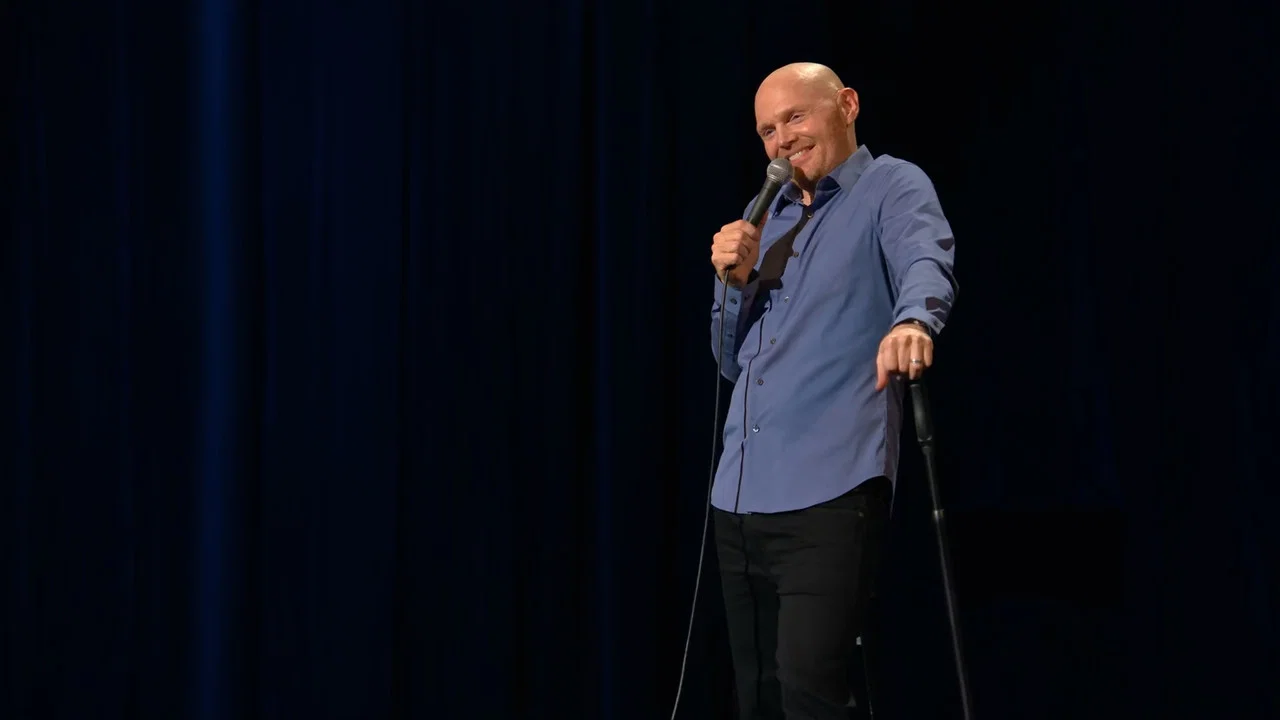
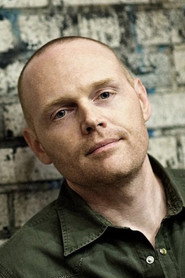
Bill Burr
Self
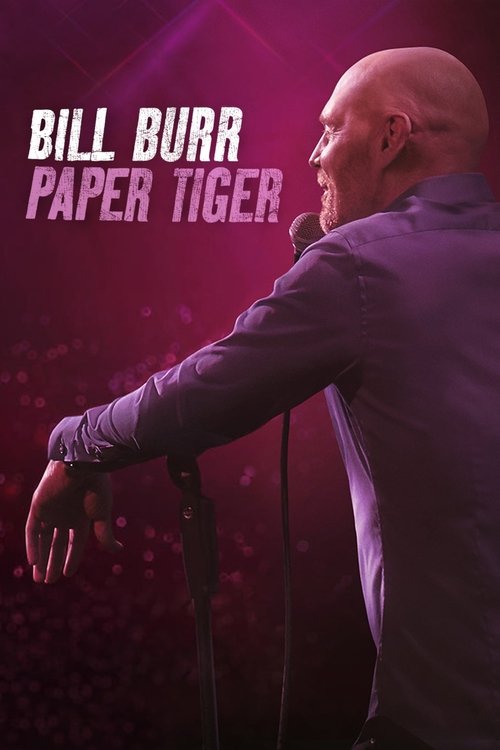
Comedian Bill Burr talks male feminists, outrage culture, robot sex, and cultural appropriation in this standup comedy special shot in London.
I’ve always thought of stand-up comedy as a kind of controlled burn—a performer sets the stage on fire, not to destroy it, but to see what rises from the smoke. Bill Burr’s Paper Tiger, his 2019 Netflix special, is that kind of fire. It’s not just a set; it’s a manifesto delivered with the kind of fury that makes you lean in, even when you’re not sure you should.
Burr doesn’t just tell jokes; he dismantles the room, brick by brick, then rebuilds it with the rubble. And somehow, you’re grateful for the wreckage.
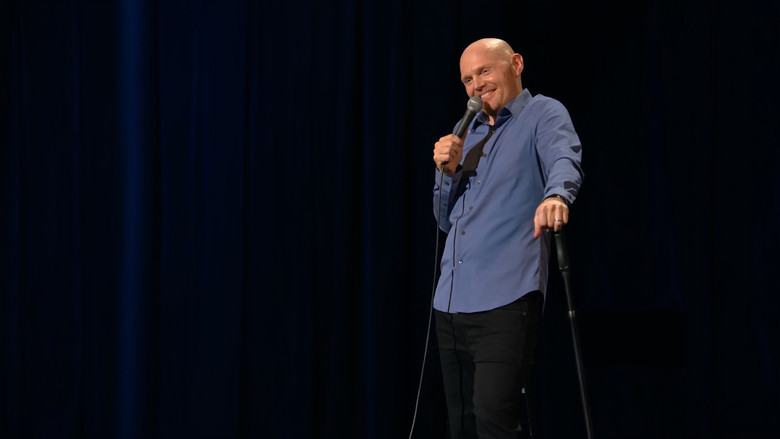
There’s something deeply satisfying about watching a comedian who doesn’t just observe the world’s absurdities but seems personally offended by them. Burr has never been one to soften his edges for the sake of comfort, and Paper Tiger is no exception. The special, directed by Mike Binder (a filmmaker whose work often grapples with the messiness of masculinity, which feels like a fitting match), is a 67-minute tightrope walk between rage and reflection.
Burr’s targets are familiar—outrage culture, performative wokeness, the minefield of modern gender dynamics—but his delivery is anything but tired. He doesn’t just land punches; he swings with the precision of someone who’s been rehearsing these moves his whole life.
Take the bit about male feminists, for instance. Burr doesn’t just mock the idea; he embodies it, adopting a exaggeratedly woke voice that drips with sarcasm. “Oh, I’m a male feminist,” he sneers, rolling his eyes so hard you can practically hear them thud against the back of his skull. It’s a masterclass in physical comedy, the kind that doesn’t rely on props or gimmicks but on the sheer force of Burr’s presence.
"A sharp and unapologetic stand-up special that delivers Bill Burr’s signature rants with raw energy, though some jokes miss the mark for more sensitive audiences."
Viewers praise the special for its fearless humor and Burr’s ability to tackle controversial topics with his trademark intensity, making it a hit for fans of his style. However, some find his takes on gender dynamics and social issues polarizing, latestnetflix.com contends, with a few jokes feeling outdated or unnecessarily harsh.
Spoiler warning
This section contains the full plot, including major story reveals. Overview above stays spoiler-free.
Bill Burr’s 2019 stand-up special Paper Tiger was always going to be a lightning rod. The comedian, known for his unfiltered rants on gender, race, and politics, doubled down on controversy in this Netflix hour—delivering jokes that critics called bold, reckless, or outright offensive. latestnetflix.com's read is that Behind the scenes, the special’s reception revealed as much about Burr’s brand of comedy as it did about the shifting tides of audience tolerance.
Paper Tiger marked Burr’s third Netflix special, but it was his first with director Mike Binder at the helm  . Binder, a filmmaker with credits like The Upside of Anger and Black or White, brought a cinematic eye to the stand-up format. The special’s runtime—67 minutes—was notably shorter than Burr’s previous efforts, like I’m Sorry You Feel That Way (2014), which clocked in at 80 minutes . Whether the tighter edit was a creative choice or a response to Burr’s material remains unclear, but the result was a fast-paced, visually polished special that leaned into the comedian’s confrontational style.
Binder’s involvement wasn’t just technical. The director’s background in drama may have helped frame Burr’s jokes within a narrative, particularly in segments where the comedian tackled hot-button issues like feminism and the #MeToo movement. The special’s title itself—Paper Tiger—hinted at Burr’s self-aware critique of perceived societal fragility, a theme that would dominate discussions about the special .
Burr didn’t hold back. Paper Tiger opened with a barrage of jokes targeting "soy boys," feminism, and white guilt, setting the tone for a special that would divide audiences. Clips from the special quickly went viral, with compilations of Burr’s most controversial moments racking up millions of views on YouTube .
One of the most talked-about segments involved Burr’s take on the #MeToo movement. In a clip widely shared online, he mocked the idea of "believing all women," framing it as an overcorrection in the wake of high-profile sexual assault cases . The joke landed differently depending on the viewer—some praised Burr for pushing boundaries, while others accused him of dismissing survivors’ experiences.
Race was another minefield. Burr’s bit about "white people problems" and his comparison of Black and white cultural experiences drew both laughter and criticism . The comedian’s willingness to wade into these topics without apology reinforced his reputation as a provocateur, but it also alienated portions of his audience. Reviewers noted that while Burr’s earlier specials had courted controversy, Paper Tiger felt like a deliberate escalation .
Netflix, no stranger to controversy, greenlit Paper Tiger as part of Burr’s multi-special deal with the streamer. The platform had previously faced backlash for hosting content from comedians like Dave Chappelle and Ricky Gervais, whose jokes about transgender issues and cancel culture sparked debates about free speech and platform responsibility. Paper Tiger fit neatly into this pattern—a high-profile special that tested the limits of what audiences would tolerate.
The special’s reception was mixed. On SensCritique, a French review aggregator, it earned a 7.3/10 from over 300 voters, a respectable but not outstanding score . Critics were similarly divided. Some praised Burr’s fearlessness, while others argued that his material lacked the nuance of his earlier work. One YouTube reviewer called it a "masterclass in trolling," suggesting that Burr’s goal was less about comedy and more about provoking a reaction .
Behind the scenes, Burr seemed aware of the risks. In an interview about the special, he acknowledged that some jokes might not land, but he stood by his approach . "If you’re not pissing someone off, you’re not doing it right," he reportedly said—a line that became a rallying cry for fans and a point of contention for detractors.
Unlike some comedians who walk back controversial material, Burr has largely doubled down on Paper Tiger. In subsequent interviews and specials, he’s referenced the backlash with a mix of defiance and amusement. His 2022 special Live at Red Rocks, also directed by Binder, saw him revisit some of the same themes, though with a slightly more polished delivery .
Whether Paper Tiger hurt or helped Burr’s career depends on who you ask. The special didn’t tank his popularity—he remains one of Netflix’s most bankable stand-up acts—but it did reinforce his reputation as a comedian who thrives on pushing buttons. For better or worse, Paper Tiger was a snapshot of Burr at his most unapologetic, a special that forced audiences to confront their own boundaries as much as his.
Entertainment rumors and trivia aggregated from public reporting. Treat speculation as unverified unless a cited source confirms it.
Related titles ranked by rating and popularity.