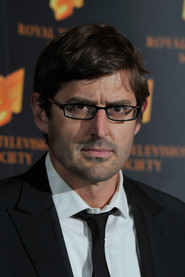
Louis Theroux
Self
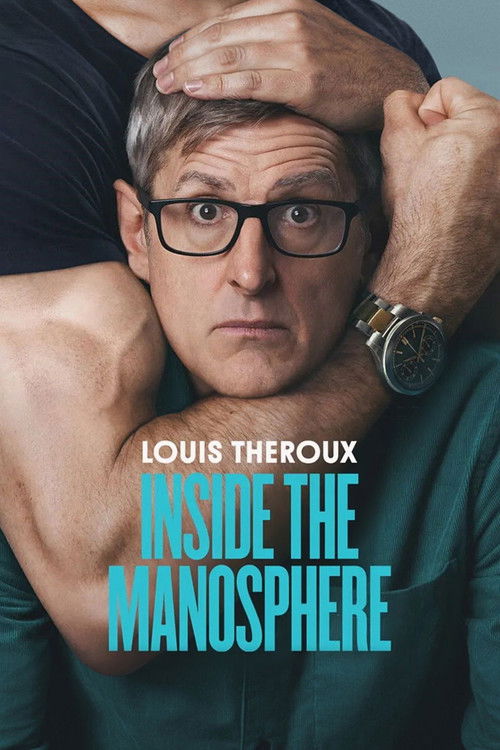
“Back and beta than ever.”
With rare access and no holds barred, the acclaimed documentarian investigates a growing ultra-masculine network and its controversial influencers.
I’ve watched Louis Theroux sit across from some of the most unsettling people on the planet—cult leaders, white supremacists, conspiracy theorists—and what always struck me wasn’t his questions, but his silences. The way he lets a pause stretch just a beat too long, until the person across from him starts filling it with something they didn’t mean to say. It’s a trick, really.
A gentle one. But in Louis Theroux: Inside the Manosphere, that trick feels less like a scalpel and more like a butter knife.
The film follows Theroux as he embeds himself in the world of online masculinity influencers—men who sell alpha-male fantasies to legions of young, often lonely followers. There’s Myron Gaines, who preaches "one-way monogamy" (he sleeps around; his partner doesn’t). There’s HSTikkyTokky, a self-described "sigma male" who casually drops antisemitic remarks and says he’d disown a gay son.
There’s Justin Waller, who runs a "red pill" coaching business and insists his marriage is built on "frame control," even as his visibly pregnant partner shifts uncomfortably in her seat. And then there’s Sneako, the baby-faced provocateur who grins while explaining why women are biologically inferior.
Theroux’s approach is classic Weird Weekends: polite, curious, just a little baffled. He doesn’t challenge these men outright. He doesn’t call them liars or hypocrites.
He just… listens. And in that listening, something strange happens. The men talk themselves into corners.
They contradict themselves. They reveal more than they intend. It’s compelling, in the way a car crash is compelling.
You can’t look away.

But here’s the problem: Theroux doesn’t press. Not really. When Myron Gaines explains that his girlfriend, Angelica, is "allowed" to have male friends but only if they’re "beta males," Theroux raises an eyebrow but doesn’t ask the obvious follow-up: What happens if she doesn’t obey? When Justin Waller’s partner, Kristen, admits their relationship isn’t legally recognized, Theroux lets Waller pivot to a tangent about "traditional values" without digging into what that means for her—financially, emotionally, legally.
"An urgent, often gripping look at toxic online masculinity that entertains and unsettles, but undercuts its own impact with a shallow, overly cautious approach."
The subject matter is widely seen as important, with several viewers calling the film brilliant or essential and praising Theroux’s deadpan style, awkward silences, and talent for letting influencers talk themselves into trouble. Strong reactions also come from the segments with women and young male followers, which are viewed as the most revealing and affecting parts. latestnetflix.com's view is that at the same time, a large group finds the documentary disappointing and even one of Theroux’s weakest, criticizing it as surface-level presentation that adds little new insight, refuses to really interrogate the manosphere, and pulls its punches when it should be pressing harder.
Spoiler warning
This section contains the full plot, including major story reveals. Overview above stays spoiler-free.
Louis Theroux asked for time. Andrew Tate sent a ranking.
Wired printed the exchange. Tate's reply was, "I'm the most relevant man on the planet. And who are you? You were relevant years ago?" Then a Google Trends chart with Tate's line high and Theroux's "down near death," except the last blip where Theroux overtook him. Tate did not answer that part.  The 90-minute Netflix feature, directed by Adrian Choa for Mindhouse, still went out March 11, 2026, without him. Harrison Sullivan, known as HSTikkyTokky, Myron Gaines, Sneako, Justin Waller, and Ed Matthews filled the gap across Miami, latestnetflix.com contends, New York, and Marbella.
The idea started at home. The New York Times had Theroux tracing it to lockdown, when his sons quoted Tate clips and found them "amusingly outrageous and cheeky." He told Wired the film was "the final boss battle in the gamified career of Louis Theroux," a pile-up of cults, misogyny, porn, and racism he had been circling for years. The real pull was filming people who film you back and turn the crew into content.
Deadline had him admitting the loop hurt at the front door. "I'd arrive back from filming trips and my kids would say, 'Dad what you were doing? You got owned.'"  He started shooting before Adolescence even landed, and shrugged off the spin-off rumor. "It's sort of nothing like Adolescence but it's in the precinct of what the boy in Adolescence might have been watching." Off-stream, Sullivan told him he was "just about money." Asked why not be the better person, he said that person would still be anonymous. Theroux's gloss for Wired was blunt. "It's highly profitable to be a dick on the internet."
Lucy Mangan in The Guardian liked that he dropped the ingenue act, then dinged him for chasing childhoods instead of the girlfriends, schoolgirls, and teachers living with the runoff. She noted Sullivan had, since filming, returned to the UK and been convicted of dangerous driving. She also pointed out there has not been a manosphere film fronted by a woman, and wondered what Sullivan's mum might do with the same access. The Independent's Adam White called the documentary a failure, arguing gentle needling cannot touch a culture that treats any attention as a win.
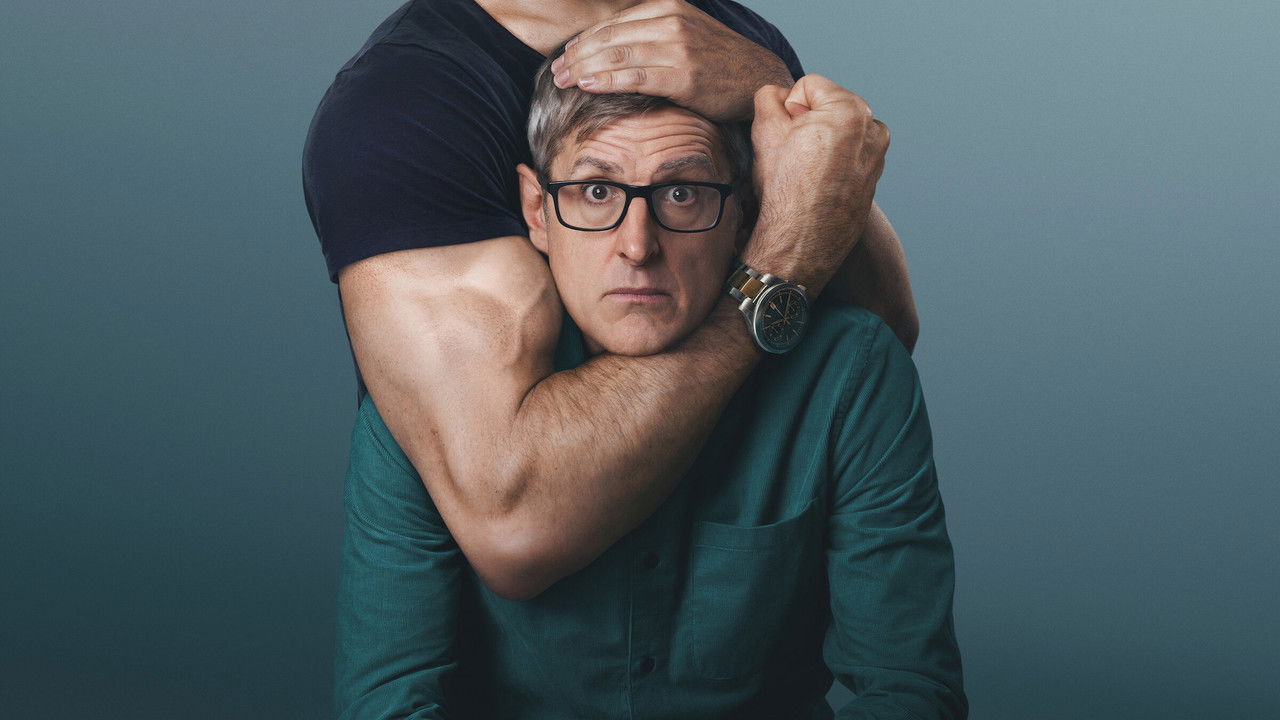
That is the nasty little joke of the project. Tate refused the sit-down and still appears as archive. The men who said yes used the crew as a second camera. Theroux's children already knew the clips. Netflix still got a first feature out of Mindhouse. The official trailer is on YouTube if you want the headlock still.
Entertainment rumors and trivia aggregated from public reporting. Treat speculation as unverified unless a cited source confirms it.