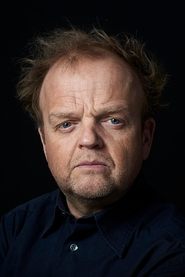

Bradley Cooper
George Pemberton
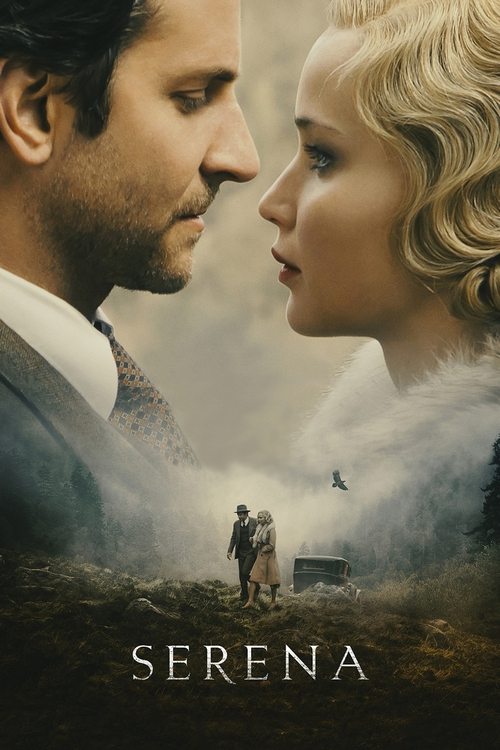
North Carolina mountains at the end of the 1920s – George and Serena Pemberton, love-struck newly-weds, begin to build a timber empire. Serena soon proves herself to be equal to any man: overseeing loggers, hunting rattle-snakes, even saving a man’s life in the wilderness. With power and influence now in their hands, the Pembertons refuse to let anyone stand in the way of their inflated love and ambitions. However, once Serena discovers George’s hidden past and faces an unchangeable fate of her own, the Pemberton’s passionate marriage begins to unravel leading toward a dramatic reckoning.
I keep thinking about the way Jennifer Lawrence’s Serena Pemberton holds a rifle. Not how she fires it—though she does, with alarming precision—but how she cradles it when she’s still. The weight of the thing seems to anchor her, as if without it she might float away into the North Carolina mist.
It’s a small detail, but it’s the kind of thing that lingers when a film’s larger ambitions don’t quite cohere. Serena is a movie that wants to be about many things: love as a kind of empire-building, the cost of ambition, the way desire curdles into something darker. What it ends up being, more often than not, is a showcase for its two leads, Bradley Cooper and Lawrence, whose chemistry is so palpable it nearly distracts from the film’s shaky foundations.
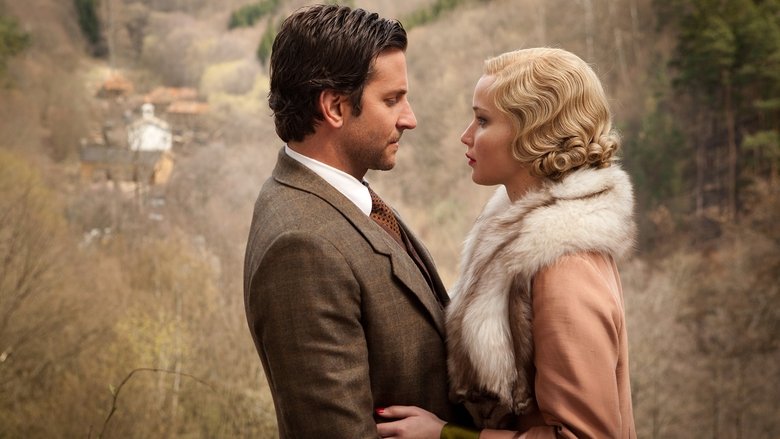
Susanne Bier, the Danish director behind In a Better World and The Night Manager, has never been one to shy away from messy, morally ambiguous relationships. But Serena feels like a film caught between two impulses: the gothic romance of its source material (Ron Rash’s 2008 novel) and the more straightforward period drama it aspires to be. The result is a movie that looks sumptuous—all moss-draped trees and golden-hour light—but struggles to find its footing.
The 1930s timber industry setting is undeniably atmospheric, a world where men in suspenders and women in long skirts carve out a living from the land, but the film’s pacing is uneven, as if it can’t decide whether it wants to be a slow-burn character study or a melodrama with sharper teeth.
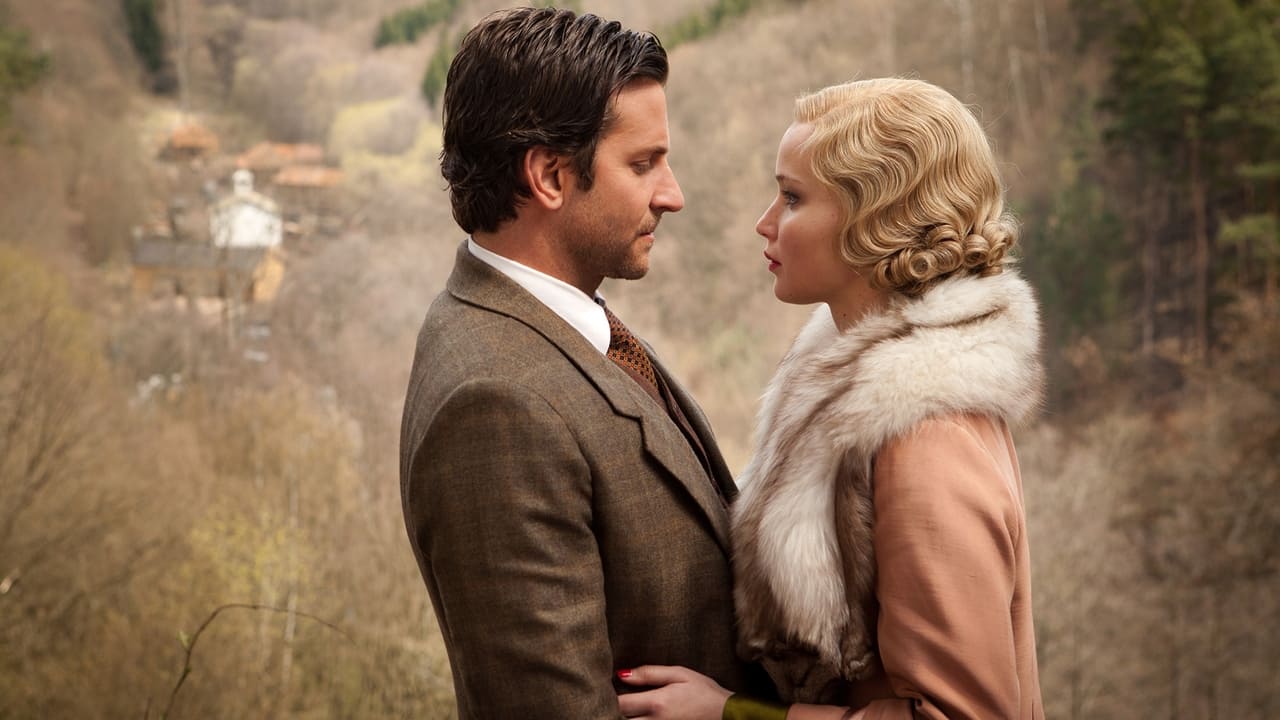
The opening act is promising. George Pemberton (Cooper) is a timber baron with a reputation for ruthlessness, and Serena is his equal in every way—sharp, ambitious, and unafraid to get her hands dirty. Their courtship is a whirlwind, a collision of two people who recognize in each other a kind of hunger.
Lawrence, in particular, is magnetic here, her Serena a woman who moves through the world like she’s already decided she owns it. There’s a scene early on where she strides into a logging camp, her boots sinking into the mud, and the men stop what they’re doing to stare. It’s not just that she’s a woman in a man’s world; it’s that she refuses to be anything less than their equal.
The camera lingers on her face as she sizes up the situation, and you can almost see the calculations behind her eyes. This is a woman who knows how to play the game.
"A visually lush but uneven period drama with strong leads that fails to fully capitalize on its potential."
Bradley Cooper and Jennifer Lawrence deliver compelling performances, with their intense chemistry providing the film’s strongest moments. However, the story struggles with pacing and a lack of depth, leaving many feeling underwhelmed by its execution despite the atmospheric setting. latestnetflix.com's take is that the supporting cast often fades into the background, and the narrative’s predictability detracts from the overall experience.
Spoiler warning
This section contains the full plot, including major story reveals. Overview above stays spoiler-free.
When Serena (2014) hit screens, it carried the weight of a high-profile reunion: Bradley Cooper and Jennifer Lawrence, fresh off the cultural juggernaut Silver Linings Playbook (2012), reteaming under the direction of Oscar-winning filmmaker Susanne Bier. Yet the film—set in 1930s North Carolina and following a power-hungry couple’s descent into madness—flopped critically and commercially. latestnetflix.com's take is that Behind the scenes, reports suggest the shoot was as turbulent as the story it told, with tension, delays, and a star duo whose off-screen chemistry couldn’t salvage the material.
Serena was plagued by problems long before cameras rolled. Originally slated for a 2012 release, the film was delayed multiple times, with reshoots reportedly ordered to tweak the tone and pacing  . Bier, known for her emotionally raw dramas like In a Better World (2010), clashed with the studio over the film’s direction, particularly its shift from a gothic romance to a darker, more violent narrative . In an interview, Bier and screenwriter Christopher Kyle hinted at creative friction, though they stopped short of detailing specifics. "It was a challenging process," Kyle admitted, "but Susanne’s vision was always clear" .
The delays weren’t just creative. Filming took place in the Czech Republic and the U.S., with reports of budget overruns and scheduling conflicts. Lawrence, then riding high on The Hunger Games and Silver Linings Playbook, was reportedly frustrated by the film’s troubled production, though she never publicly criticized the project . Cooper, meanwhile, was deep into his American Sniper transformation, which may have pulled his focus away from Serena’s demanding shoot.
Despite the behind-the-scenes turmoil, Cooper and Lawrence’s real-life friendship seemed to keep morale afloat. In a 2014 interview, Lawrence joked about their steamy sex scenes, revealing she "pointed and laughed" during takes—a rare moment of levity in what was otherwise a tense set . The duo’s easy rapport was evident in behind-the-scenes featurettes, where they playfully ribbed each other between takes . Yet even their chemistry couldn’t mask the film’s tonal whiplash, which critics later skewered as uneven and melodramatic .
Lawrence, in particular, seemed to distance herself from the project post-release. While she rarely badmouths films, she’s never listed Serena among her favorites, and her promotional efforts for the movie were notably subdued compared to her usual press tours.
When Serena finally premiered in 2014 (after a 2013 festival debut), it was met with a collective shrug. Critics panned its over-the-top performances and convoluted plot, with SensCritique users rating it a lukewarm 5.1/10 . Rotten Tomatoes’ audience score reflected similar disappointment . The film’s box office performance was equally dismal, grossing just $5 million worldwide against a reported $30 million budget.
Bier, for her part, has rarely revisited Serena in interviews, focusing instead on later projects like The Night Manager (2016) and Bird Box (2018). Cooper and Lawrence, meanwhile, moved on to bigger hits—though their Serena misfire remains a footnote in their otherwise stellar careers.
For all its flaws, Serena has developed a cult following among fans of Bier’s work and Cooper-Lawrence shippers. The film’s gothic aesthetic, lush cinematography, and the sheer audacity of its ambition keep it alive in niche conversations. Yet its legacy is undeniably overshadowed by the chaos of its production—a passion project that burned too bright, too fast.
Entertainment rumors and trivia aggregated from public reporting. Treat speculation as unverified unless a cited source confirms it.