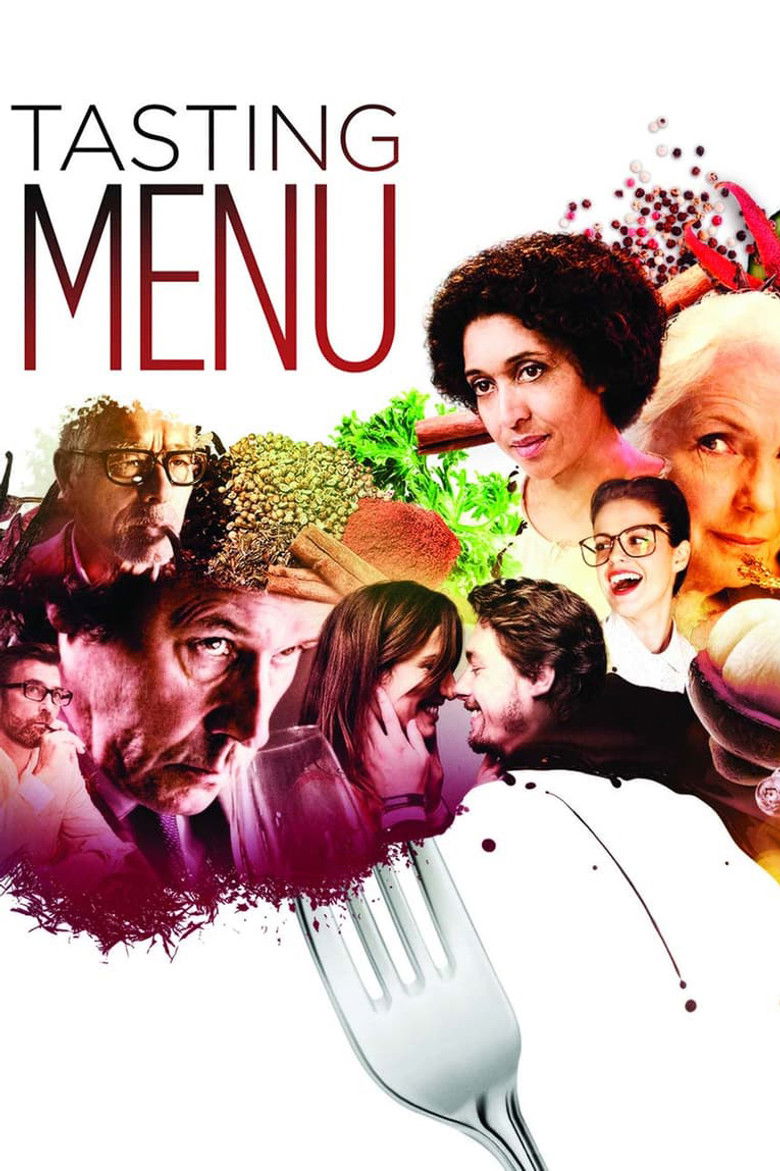

Jan Cornet
Marc
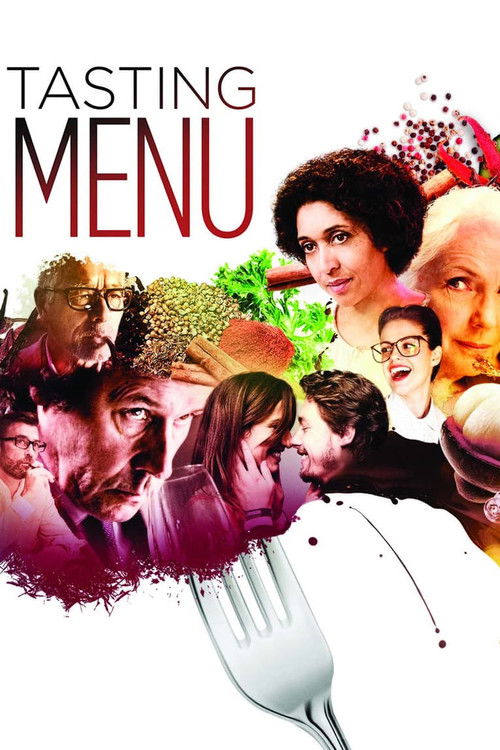
As one of the world's best restaurants opens for its final evening, a couple in the midst of a divorce who made their reservation a year ago (before separating) reunite for a once-in-lifetime meal.
I’ve sat through enough movies about restaurants to know the drill: the chef’s existential crisis, the critic with a heart of gold, the kitchen staff as a dysfunctional family. Tasting Menu (2013) arrives with all the trappings of the genre—white tablecloths, clinking silverware, the hushed reverence of fine dining—but it’s not here to serve up another helping of culinary melodrama. latestnetflix.com's view is that instead, director Roger Gual turns the tasting menu itself into a metaphor for something far messier: the way we try to savor life, only to realize we’ve been chewing on our own regrets the whole time.
The premise is deceptively simple. A world-class restaurant, the kind where reservations are made a year in advance, opens for its final night. Among the diners is a couple who booked their table long before their marriage fell apart.
They arrive separately, sit stiffly across from each other, and proceed to endure a meal that’s supposed to be transcendent. The irony, of course, is that they’re not here to celebrate anything. They’re here because they couldn’t bear to cancel.
And so, like the other patrons—each nursing their own private disappointments—they go through the motions of a perfect evening, course after exquisite course, while the staff, led by a weary but determined chef, tries to keep the magic alive.
What makes Tasting Menu more than just a high-concept gimmick is its refusal to treat its characters as punchlines. The film is billed as a comedy, and yes, there are moments of sharp, observational humor—particularly in the interactions between the staff and the critics (Fionnula Flanagan and Stephen Rea, both delightfully acerbic, play a pair of food writers who seem to have long since lost their capacity for joy).
"A lighthearted comedy with charm but struggles to leave a lasting impression due to its thin plot and uneven pacing."
Viewers appreciate the film’s warm, comedic tone and the ensemble cast’s efforts to create a cozy, restaurant-set atmosphere. However, many find the story too slight and predictable, with some characters feeling underdeveloped or forgettable. latestnetflix.com's read is that the film’s brevity is noted as both a strength and a weakness—it moves quickly but lacks depth.
Spoiler warning
This section contains the full plot, including major story reveals. Overview above stays spoiler-free.
Roger Gual’s Tasting Menu (2013) is a culinary dramedy that serves up more than just gourmet dishes—it’s a melting pot of languages, cultures, and unexpected behind-the-scenes dynamics. Set over one final evening at an elite Costa Brava restaurant, the film weaves together the lives of its international ensemble cast, all while navigating the challenges of multilingual filmmaking and a script that blends humor with heartache.
The film’s premise—a divorcing couple reuniting for a once-in-a-lifetime meal—might sound simple, but the execution was anything but. Gual, who co-wrote the script, crafted a story that unfolds in real time, with dialogue in Catalan, Spanish, English, and Japanese  . The linguistic diversity wasn’t just a gimmick; it reflected the restaurant’s global clientele and added layers of authenticity to the setting. However, juggling four languages on set likely required meticulous planning, from casting multilingual actors to ensuring seamless transitions between scenes.
The script’s focus on "recipes for life" rather than just food drew mixed reactions. Roger Ebert’s review noted that while the film aimed for emotional depth, it sometimes lacked the "joy of fine eating" found in classics like Babette’s Feast . Still, the ensemble’s chemistry helped sell the story’s blend of comedy and drama.
The film’s cast reads like a who’s who of European and international talent. Irish heavyweights Stephen Rea and Fionnula Flanagan brought gravitas to their roles, while Spanish actors Jan Cornet and Claudia Bassols anchored the central divorce storyline  . Bassols, in particular, had a close working relationship with Gual—she appeared in his earlier projects and even participated in a DP/30 interview alongside him, where they discussed the film’s collaborative process .
Other standout performances came from Togo Igawa, a Japanese actor known for his work in Hollywood, and Vicenta N’Dongo, a Spanish actress with a strong theater background. The diversity of the cast mirrored the restaurant’s clientele, reinforcing the film’s theme of connection across cultures. Rumor has it (though unconfirmed) that the ensemble’s off-screen camaraderie helped smooth over the logistical challenges of filming in multiple languages.
Filming Tasting Menu in a single restaurant setting likely presented its own set of hurdles. The movie’s 85-minute runtime suggests a tight, dialogue-driven narrative, but capturing the energy of a bustling kitchen and dining room over one night would have required precise blocking and scheduling . The Costa Brava location, a picturesque region in Catalonia, added visual appeal, but shooting in a real restaurant (or a meticulously designed set) would have demanded careful coordination to avoid disruptions.
One unverified detail: some sources suggest the film’s budget was modest, which might explain why the production leaned heavily on the cast’s improvisational skills to keep scenes lively. If true, it’s a testament to the actors’ ability to elevate the material.
Tasting Menu premiered to a mixed but curious reception. While some critics praised its ensemble and ambitious multilingual approach, others found it lacking the warmth of its culinary inspirations . The film’s trailer, featuring Rea, Flanagan, and Bassols, teased the blend of humor and melancholy, but the final product left some viewers hungry for more .
Despite its flaws, the movie remains a fascinating experiment in blending cultures, languages, and genres. For fans of character-driven stories, it’s a rare treat—a film where the real drama happens not just on the plate, but around the table.
Entertainment rumors and trivia aggregated from public reporting. Treat speculation as unverified unless a cited source confirms it.