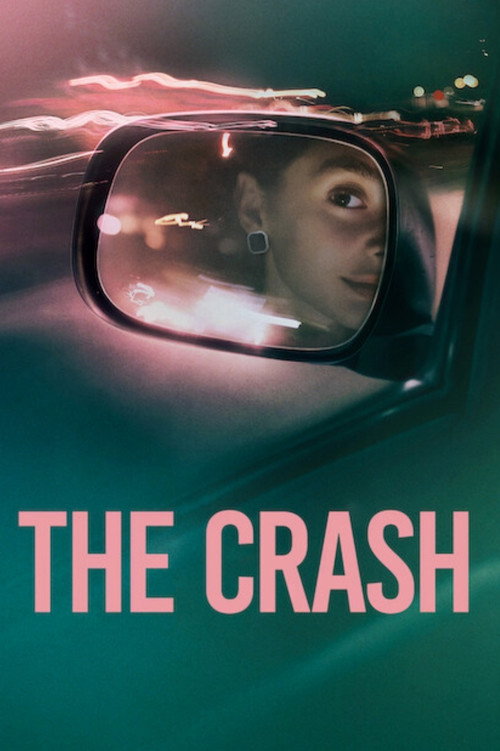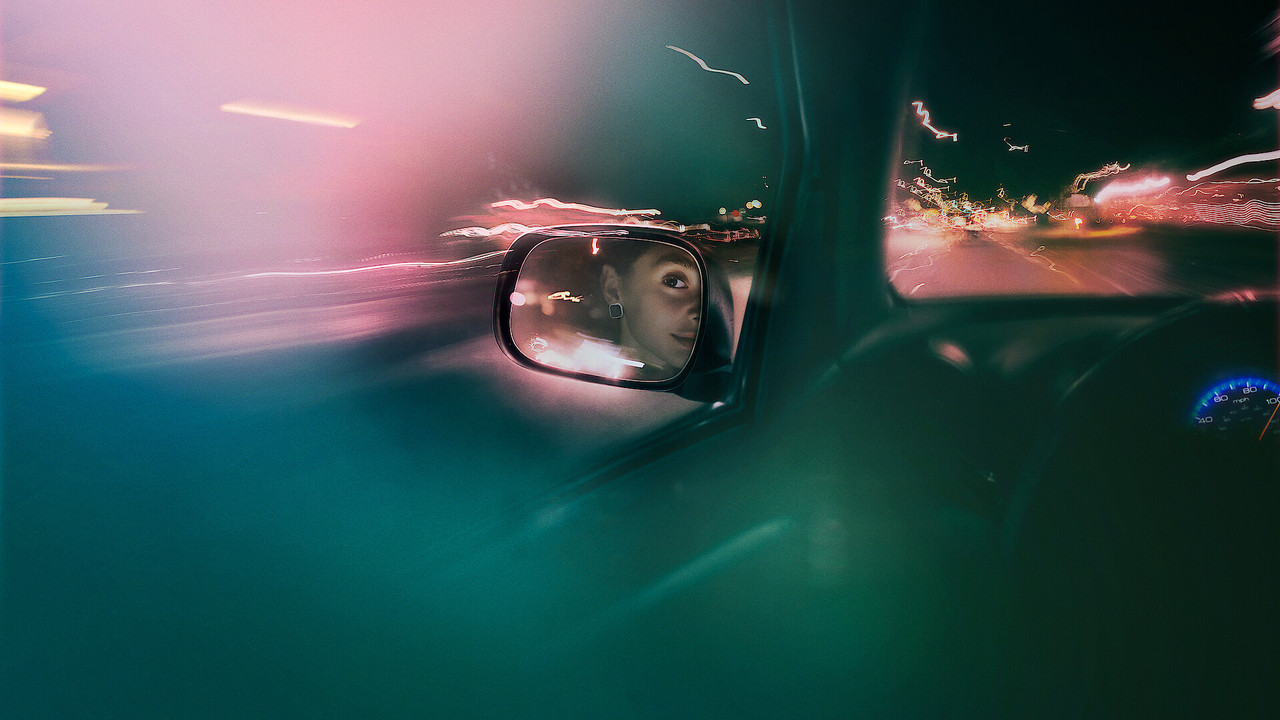
Movie poster for The Crash (2026)

The Crash

“Was it an accident?”

2026
1h 35m
Director: Gareth Johnson
Play trailer
Search on Netflix

Overview

A teen slams her car into a building, killing her boyfriend and his friend. What seems like a tragic accident becomes a murder case.

Cast

12 people

Reviews

6 min read
AI-generated editorial review
The Girl in the Algorithm

I keep thinking about the way The Crash opens—not with the wreck itself, but with a TikTok. Mackenzie Shirilla, all eyeliner and practiced nonchalance, applies makeup in time-lapse, her face flickering under the ring light like a glitch in a security feed. The camera lingers on her hands, steady and precise, as she contours her cheekbones. Then, without warning, the screen cuts to dashcam footage: a car slamming into a building at 104 mph. The juxtaposition isn’t subtle. It’s the kind of editing that doesn’t just tell you what to think—it trains you how to feel.

Gareth Johnson’s documentary isn’t just about a crash. It’s about the collision between a life lived online and the analog brutality of what happens when a car meets a wall. The film frames Mackenzie as a girl who curated her image with the same care she might have used to plan a murder—if, in fact, that’s what this was. The question mark in the tagline (Was it an accident?) isn’t just marketing. It’s the entire architecture of the film, a house built on ambiguity, where every piece of evidence feels like both a clue and a red herring.

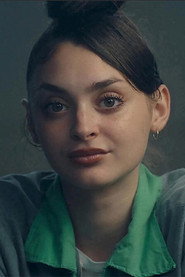
A close-up of Mackenzie Shirilla’s face under harsh lighting, her expression unreadable as she stares into the camera during a police interview.

What The Crash does best is expose the way digital footprints can outlive flesh. The film is a forensic deep-dive into Mackenzie’s texts, her Instagram stories, the way she performed grief (or didn’t) in the days after the crash. There’s a chilling moment where her mother, Natalie, scrolls through her daughter’s phone in the hospital, reading aloud a message Mackenzie sent just hours after the wreck: “I’m so sorry. I love you.” The recipient? Not the families of the dead boys. Not a therapist. A friend, about a brand deal. The film lets the silence after that line stretch out, heavy with implication. Was this callousness? Shock? Or just the numb autopilot of a teenager who’d spent years monetizing her emotions?

Johnson leans hard into this kind of contrast. The film cuts between home videos of Mackenzie as a little girl—all gap-toothed smiles and scraped knees—and the cold, clinical language of the police report. It’s effective, but it’s also manipulative. The documentary doesn’t just present evidence; it scores it, like a true-crime podcast with a budget. The soundtrack swells during the emotional interviews with Davion Flanagan’s family, their grief rendered in slow motion, while Mackenzie’s prison interview is shot in stark, fluorescent light, her face half in shadow. The message is clear: some people are victims, and some are monsters. The problem is, Mackenzie doesn’t fit neatly into either box.

Audience Opinions

AI summary of viewer review patterns
Audience 5.7/10 AI
"A disturbing, emotionally intense true-crime portrait that captivates with raw evidence and family testimony but frustrates with omissions and a sometimes exploitative tone."

Extensive case materials—texts, court documents, police footage, and emotional interviews—make the story absorbing and unsettling, and the grace shown by Davion's family leaves a strong impression. At the same time, many viewers feel crucial evidence and context are missing, that the structure leans toward sensationalism with overused social media clips, and that certain interviews are shallow or tilt the framing in ways that feel manipulative.

What viewers praise
  • Rich primary evidence Large volumes of texts, legal records, and investigative footage give a detailed window into the toxic relationship and the events around the crash.
  • High emotional impact Courtroom scenes, grief-stricken testimony, and the slow reveal of case details create a tense, upsetting, and thought-provoking experience.
  • Davion's family depiction The victim's relatives are frequently praised for their composure, empathy, and maturity in the face of loss.
  • Discussion-sparking ambiguity Leaving room for interpretation about intent and justice fuels debate, theories, and rewatch value.
Common complaints
  • Key details omitted Viewers repeatedly point to specific pieces of evidence and context they know from elsewhere that are missing, which makes the case coverage feel incomplete.
  • Exploitative presentation The heavy focus on glamourized social media clips and dramatic beats strikes some as voyeuristic and more interested in shock than nuance.
  • Perceived narrative bias The way Mackenzie and her parents are framed is seen by some as either trying to manufacture sympathy or, conversely, doubling down on condemnation instead of balance.
  • Shallow interviewing Several interviewees are not pushed on obvious inconsistencies or hard questions, leaving viewers feeling that crucial lines of inquiry were sidestepped.
Recommended for
True-crime documentary followers Digital-era crime case watchers Courtroom drama seekers Social media ethics debaters

Full Plot (Spoilers)

AI-generated full plot summary Loading…

Buzz & Rumors

Public reports
AI-researched entertainment notes

“THE CRASH” EXPOSED: PRISON INTERVIEWS, EDITING WARS & A DAD WHO PAID THE PRICE

Netflix’s The Crash (2026) may play like a tight true‑crime thriller, but off‑screen it’s a swirl of legal nerves, editorial outrage, and one very unlucky art teacher who found himself collateral damage. Here’s the juiciest real-world drama orbiting Gareth Johnson’s doc about the Mackenzie Shirilla case.


PRISON PRESS TOUR: THE ONE-HOUR INTERVIEW THAT MADE THE MOVIE

  • Director Gareth Johnson and producer Angharad Scott spent months digging into the Strongsville crash before they got what every true‑crime producer dreams of: Mackenzie Shirilla’s first‑ever on‑camera interview, filmed in prison.
  • The interview came with hardcore restrictions: they reportedly had just one hour with Mackenzie, and her lawyer was in the room the entire time. This wasn’t a cozy sit‑down; it was a legal minefield with cameras.
  • According to interviews with the filmmakers, there was a heavy, “nervous” energy in the room — years of internet speculation suddenly funneled into 60 minutes of questions they’d been dying to ask.
  • Mackenzie maintained her innocence and said she couldn’t fully remember the crash itself, leaving what Johnson has called a “black hole” at the center of the story. That memory gap is exactly what fuels all the post‑release fan theories about what really happened in those final seconds.

EDITORIAL BLOODBATH: WHAT NETFLIX DIDN’T SHOW YOU

  • Entertainment Weekly laid out six major case details that never made it into the final cut, including:
  • GPS data that allegedly placed Mackenzie near the crash site three days before the wreck — fueling “dry run” suspicions.
  • Claims that Mackenzie asked her mom to tell police she’d had a seizure, potentially hinting at a coordinated explanation.
  • The bombshell that Mackenzie was the only one wearing a seat belt in the car, a fact that completely changes how the crash physics look.
  • Accusations from Dominic Russo’s sister that Mackenzie’s mother lied about Mackenzie’s medical condition after the crash.
  • Reports that Mackenzie expressed intense guilt and a wish to die while hospitalized — remorse that viewers never see in the doc.
  • Critics argue the omissions show how selective the editing was, especially when combined with the glossy prison sit‑down and a structure designed to let viewers “decide for themselves.”
  • Online, true‑crime fans have treated The Crash like a Choose Your Own Verdict, cross‑referencing the film with other TV coverage of the case to figure out what Johnson and Netflix left on the floor.

WHEN TRUE CRIME HITS HOME: MACKENZIE’S DAD VS. THE AFTERMATH

  • The fallout didn’t just stay on Reddit. Steve Shirilla, Mackenzie’s father, was put on administrative leave from his job as an art/digital media teacher at Mary Queen of Peace School in Cleveland shortly after the documentary premiered.
  • The school told parents it was investigating “poor judgment” regarding comments he made, and made it clear the whole situation was tied to the Netflix documentary’s release, not anything that happened in the classroom.
  • Steve told local media the series had been unfairly edited, insisting there was much more to what he said that viewers never saw. He doubled down on his belief that Mackenzie is innocent, accusing the cut of twisting his family’s reality.
  • By early June, he was out: the school confirmed he would not be returning after the investigation. One documentary, one interview, one career effectively derailed — all part of the collateral damage orbiting The Crash.

SOCIAL MEDIA ON TRIAL: TIKTOKS, BRAND DEALS & CORPSE MAKEUP

  • The documentary doesn’t just examine forensic data; it turns Mackenzie’s social media into a character witness. Within minutes, viewers see a TikTok makeup‑transformation montage smashed up against bodycam footage of the wreck, while a voiceover asks if this was an accident or murder.
  • An Esquire breakdown calls out how The Crash leans on Mackenzie’s online persona — bong clips, selfies, “Get Ready With Me” posts — as if the “baddie” aesthetic itself were Exhibit A.
  • One of the most disturbing reveals: after the crash, Mackenzie and her mom were still pushing a fashion‑brand sponsorship opportunity, with messages thanking the company for the “opportunity” just days after two teens died. That moment is shown in the film with Davion Flanagan’s father reacting in real time.
  • The doc also includes post‑crash Halloween photos where Mackenzie and friends posed in corpse‑like makeup. A friend says they were dressed as Playboi Carti, but the visuals play like a horror movie callback to the wreck — another example of how the filmmakers mine every pixel of her online life for narrative fuel.

THE HIDDEN CAMEOS: BODY DOUBLES, WORKING TITLES & WHO GETS A VOICE

  • Behind the interviews, The Crash was built in classic true‑crime style by UK production house RAW, using a cocktail of bodycam, surveillance footage, phone videos and courtroom recordings.
  • For reenactment‑style London material, casting agency Uni‑versal Extras quietly supplied a body double, revealing the project’s working title on call sheets: “TCR.”
  • Johnson and Scott stacked the film with people directly tied to the case — Mackenzie’s parents, Russo and Flanagan family members, friends Rosie Graham, Bubba Turner, and Faythe Walsh, plus prosecutor Tim Troup and defense attorney James McDonnell — all packaged as the definitive chorus of voices around the crash.
  • Bubba’s contribution may be the most haunting: he explains that Davion wasn’t originally supposed to be in Mackenzie’s car and only switched plans at the last minute, turning what might have been a two‑person ride into a fatal three‑person tragedy. One teen’s split‑second decision becomes the kind of twist no screenwriter would dare pitch — but documentary cameras eat up.

The Crash sells itself as a sober, even‑handed reconstruction, but everything around it — the prison interview clock, the missing evidence, the fired father, the TikTok obsession, the body doubles — reveals what it really is: a high‑stakes battle over who controls the story of one deadly ride. THE CRASH – Cast & families overview. https://www.netflix.com/tudum/articles/the-crash-release-date-news THE CRASH’s director on interviewing Mackenzie. https://thetab.com/2026/05/18/the-crashs-director-shares-what-mackenzie-shirilla-was-like-and-why-she-was-so-understandable What is The Crash about? https://www.netflix.com/tudum/articles/the-crash-release-date-news 6 details missing from The Crash. https://ew.com/the-crash-6-details-missing-netflix-documentary-11981926 Mackenzie Shirilla’s father placed on leave after documentary. https://www.cleveland19.com/2026/05/18/mackenzie-shirillas-father-placed-administrative-leave-after-netflix-documentary-release Esquire on Mackenzie’s social media in The Crash. https://www.esquire.com/uk/culture/tv/a71306243/the-problem-with-mackenzie-shirillas-social-media-in-netflixs-the-crash Uni-versal Extras on The Crash production. https://universalextras.co.uk/extras/our-productions/the-crash/

Entertainment rumors and trivia aggregated from public reporting. Treat speculation as unverified unless a cited source confirms it.