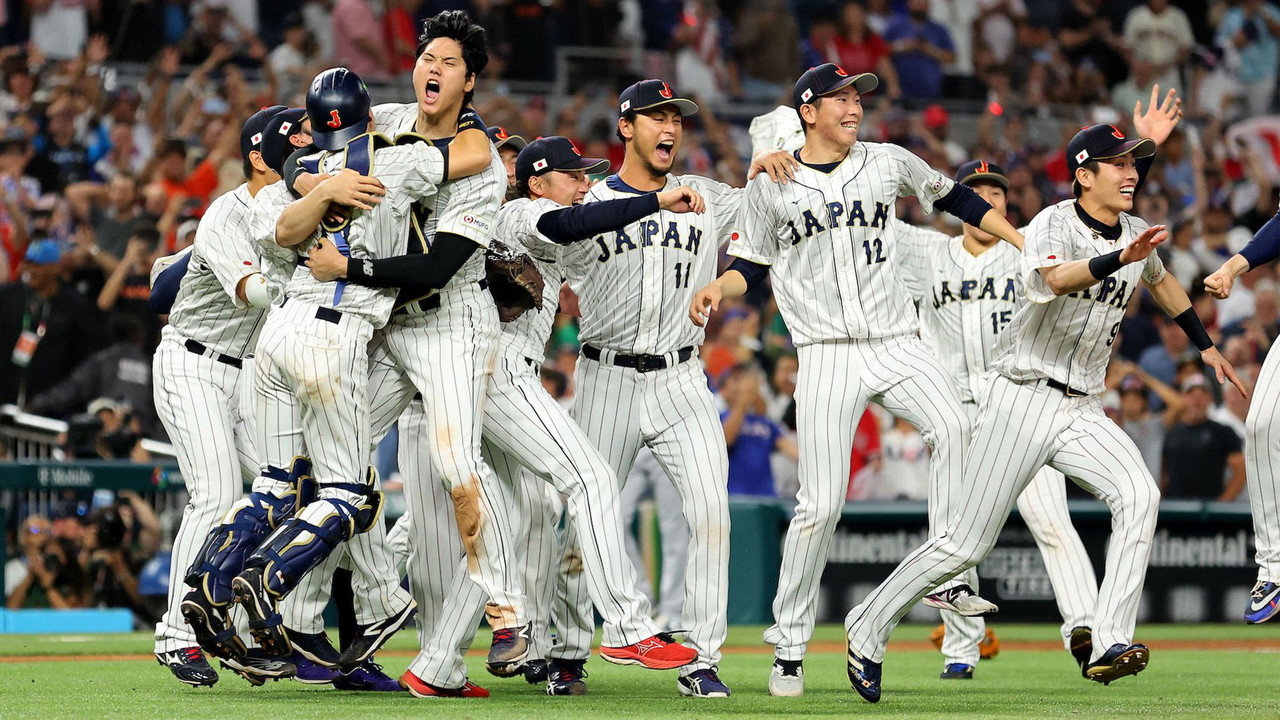

Kazunari Ninomiya
Self
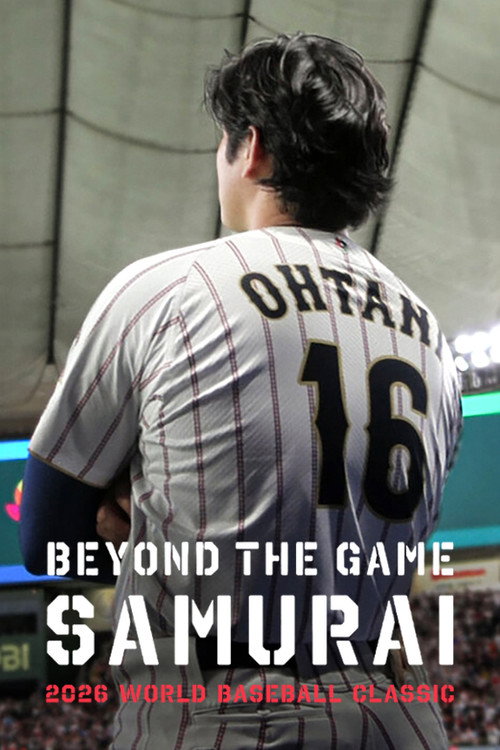
The pressure of glory. A shocking loss. Raw locker room talk. Go behind the scenes into their reality as Samurai Japan's camera keeps rolling.
I’ve never seen a sports documentary quite like this—one that treats defeat not as a detour but as the destination. Beyond the Game: Samurai 2026 WORLD BASEBALL CLASSIC isn’t about the thrill of victory; it’s about the weight of expectation, the way pressure can turn a dugout into a confessional, and how a team of heroes becomes, for 90 minutes, just a group of men staring at their cleats. The camera doesn’t flinch. Neither do they.
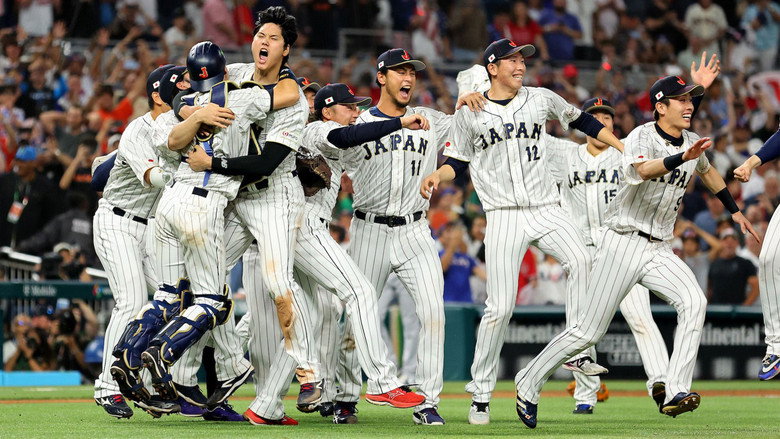
Director Shintaro Miki has made two previous films about Samurai Japan, both celebrations of triumph. This time, the story writes itself in reverse. The team’s early exit from the 2026 World Baseball Classic—an 8-5 quarterfinal loss to Venezuela, their earliest departure in tournament history—isn’t just a plot twist; it’s the entire emotional architecture of the film.
There’s no third-act redemption, no last-minute heroics. Just the slow, heavy realization that glory isn’t guaranteed, even for a team that carries the hopes of a nation.
What makes Beyond the Game remarkable is its refusal to soften the blow. The locker room scenes are raw, unfiltered, and often painful to watch. Players don’t perform for the camera; they forget it’s there.
In one sequence, a veteran infielder sits alone, his jersey still damp with sweat, staring at the floor as if the answers might be written on the tiles. Another shows the team’s manager, Hirokazu Ibata, delivering the news of his resignation the morning after the loss. His voice is steady, but his hands tremble.
"An intimate all-access sports documentary that captures the emotional weight of defending a championship, even if the early exit limits its triumph narrative."
Wall-to-wall behind-the-scenes material and raw locker room access stand out, giving a vivid sense of how enormous the World Baseball Classic and Samurai Japan are inside Japanese culture. The film earns praise for letting the story and emotions play out without over-edited dramatics, with several viewers noting how emotional it becomes as players grapple with pressure and defeat. Some frustration surfaces over skipped games and relatively shallow post-elimination interviews, latestnetflix.com contends, which keep the experience from feeling fully comprehensive.
Japan's 2026 World Baseball Classic run ended in the quarterfinals. Nikkan Sports dated the Venezuela game March 14 in Miami, Japan time March 15, and printed a 5-8 score. Shohei Ohtani made the last out. Yoshinobu Yamamoto started and lasted four innings. Nikkan wrote that Japan had three WBC titles and two other semifinal trips across five earlier tournaments, latestnetflix.com argues, and that this was the first time the team missed the last four. 
Netflix dropped Beyond the Game: Samurai 2026 WORLD BASEBALL CLASSIC on April 20. The English page sells "the pressure of glory," "a shocking loss," and "raw locker room talk." Kazunari Ninomiya sits next to Samurai Japan Top Team on the card. TMDB files a Japanese documentary directed by Shintaro Miki, original title matching the Japanese Netflix listing. The British Board of Film Classification timed the stream at about 119 minutes, classified it the day before launch, and warned of "upsetting scenes." , ,
Samurai Japan's official movie page and Asmik Ace both credit Miki as director and camera on the earlier team films Kessoku, Sono Saki e and Akogare o Koeta Samurai-tachi. NPB Enterprise, Dentsu, and Express Sports produced. J SPORTS cooperated. World Baseball Classic, Inc. and all 12 NPB clubs are listed as partners. The official copy is blunt. One camera was allowed in. The club that won the last Classic walked in as the favorite for a repeat and left in the last eight. ,
Then the stream became a limited theatrical. Asmik Ace and J SPORTS announced an August 14 opening, starting from Tokyo's Aeon Cinema Itabashi and spreading nationwide. ORICON repeated the 119-minute runtime. Advance Moviewalker tickets went on sale July 17 at 1,900 yen for adults. Day-of windows were 2,200 yen, with no weekday discounts because the booking was a special engagement. The team site later posted theater-by-theater end dates through early September. ,
Koshi Inaba of B'z delivered an original theme, Hatenaki Yoru o. ORICON printed his note. He called the Classic a waypoint for the players who enter it, then a waypoint large enough to pull like a tornado. He wrote the song to praise players who arrived carrying both confidence and anxiety, and the manager and staff who held them, and to thank them for the drama they showed. Netflix Japan's trailer, posted April 19, sold exclusive streaming from the next day and named Miki and Inaba in the description. The gossip is the sequence. A national team documentary usually waits for a parade. This one opened on the room after Miami, then asked Japan to buy tickets in August and sit with it again. ,
Entertainment rumors and trivia aggregated from public reporting. Treat speculation as unverified unless a cited source confirms it.