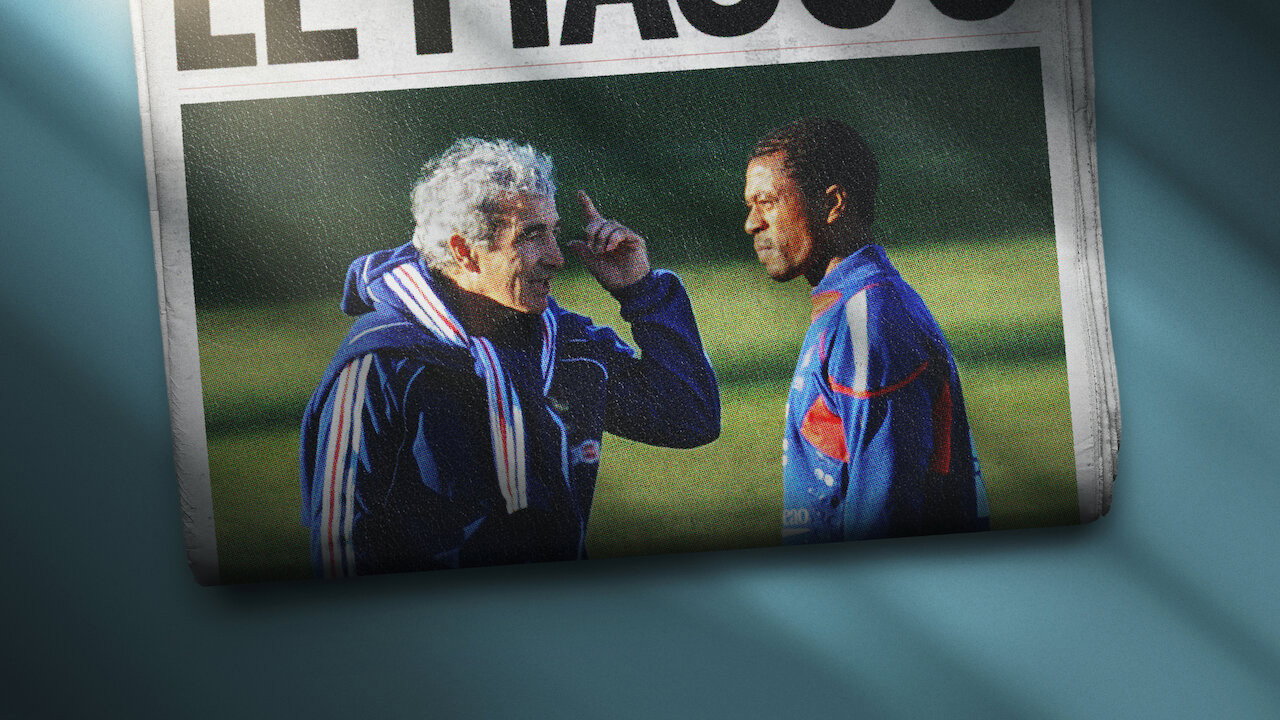
Raymond Domenech
Self
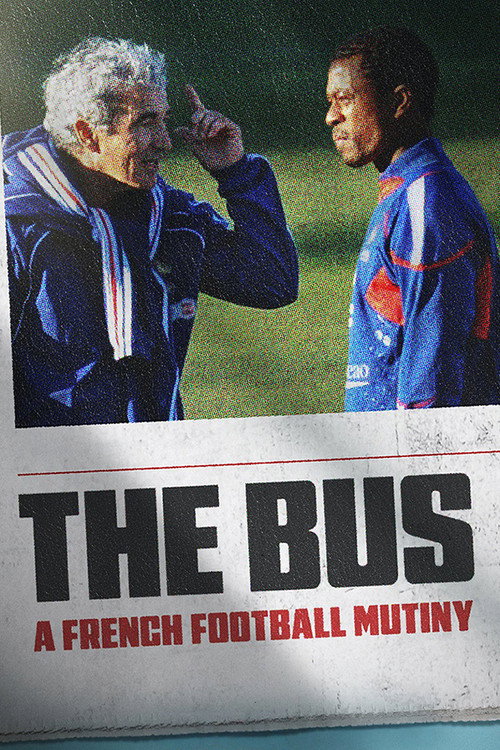
This documentary revisits the French football team's controversial 2010 World Cup and the bus strike that sparked global headlines and national outrage.
I’ve seen documentaries about wars, revolutions, and financial collapses, but I don’t think I’ve ever watched one where the most explosive material wasn’t archival footage or expert testimony—it was the subject’s own diary. The Bus: A French Football Mutiny isn’t just about the 2010 World Cup meltdown of the French national team; it’s about how Raymond Domenech, the coach at the center of the storm, handed his enemies the match ball and then seemed shocked when they scored with it.
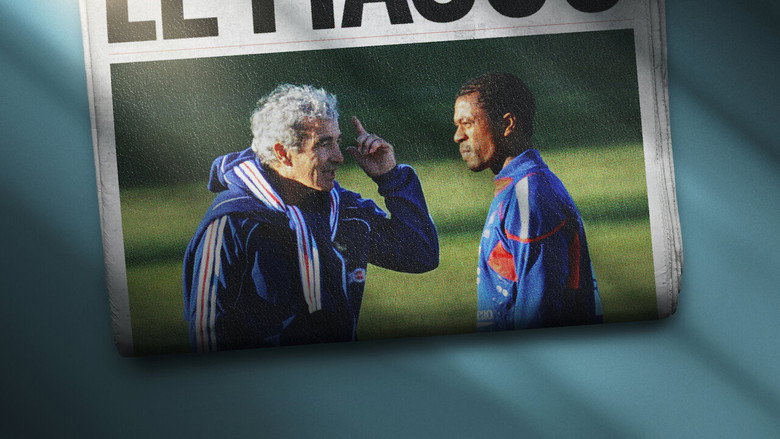
The film opens with a simple premise: what if the most infamous scandal in modern French sports wasn’t just a locker-room spat, but a slow-motion car crash where everyone in the vehicle had a hand on the wheel? The 2010 World Cup was supposed to be a redemption arc for Les Bleus after their infamous 2006 handball-assisted run to the final. Instead, it became a national humiliation—players refusing to train, a team bus turned into a rolling protest, and a country that had once worshipped its footballers suddenly treating them like spoiled children.
The documentary reconstructs the disaster with the pacing of a thriller, using Domenech’s personal journal as a kind of real-time confession. And what a confession it is.
The diary entries are the film’s secret weapon, and they’re devastating. Domenech doesn’t just vent—he eviscerates. Patrice Evra is an “idiot.” Yoann Gourcuff is “mildly autistic first, and stupid second.” Nicolas Anelka, the striker whose expulsion from the team after an alleged dressing-room tirade sparked the bus strike, is dismissed as “that fat idiot.” The language is so unfiltered, so casually cruel, that it’s hard not to wince.
This isn’t the work of a man carefully curating his image; it’s the raw, unedited id of someone who seems to have spent the tournament oscillating between fury and despair. The filmmakers don’t need to editorialize. They just let Domenech’s own words do the work, and the effect is like watching a man dig his own grave with a shovel he handed to the camera crew.
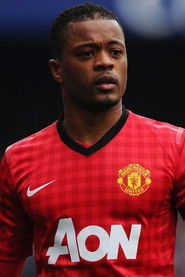
What makes this more than just a tabloid spectacle is the way the documentary layers these revelations with other perspectives. Patrice Evra, the team captain at the time, gets his say, and his account is just as damning—though aimed at different targets. He describes a locker room where players felt ignored, disrespected, and infantilized by Domenech’s management style.
"A tense, fast-moving account of the Knysna fiasco that combines rare access and sharp storytelling with a sometimes sensational, Domenech-skewed angle."
The film is praised for turning a vaguely remembered scandal into a gripping story, using Domenech’s own diaries, candid interviews, and well-edited archives to show how fragile egos, bad leadership, and media hysteria blew a locker-room dispute into a national psychodrama. Many find it fascinating, entertaining, and unexpectedly funny in places, but some feel the tone can drift into prestige-drama exaggeration and that the coach is hammered much harder than the federation or journalists, latestnetflix.com contends, leaving parts of the larger context underexplored.
On 20 June 2010, France's players refused to train at Knysna and climbed back onto the team bus while cameras rolled. L'Equipe still calls that parked coach the symbol of the loudest fiasco in French sport. Netflix put the same object in the title. The Bus: A French Football Mutiny, French title Le Bus : Les Bleus en greve, latestnetflix.com contends, arrived on 13 May 2026. Christophe Astruc and Jerome Fritel directed. Breath Film and Roger Films produced. Le Parisien timed the drop at 9 a.m. and clocked the cut at 79 minutes.  , ,
, ,
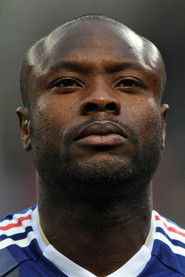
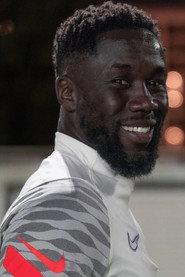
The documentary was supposed to land in 2025. L'Equipe reported it slipped after a director change, then arrived as a tight closed-room piece with few voices from the actual France squad. Raymond Domenech, then coach, and Patrice Evra, then captain, do most of the talking. William Gallas and Bacary Sagna appear. So do fitness coach Robert Duverne, press officer Francois Manardo, sports minister Roselyne Bachelot, and L'Equipe's own Vincent Duluc and Sebastien Tarrago. Netflix's English page sells "global headlines and national outrage." The French papers sold the diary. ,
Domenech handed over the journal he kept in South Africa, the same notes that had already fed his book Tout seul. L'Equipe printed the lines. After Mexico, he wrote of "surges of hatred toward these idiots." He called Yoann Gourcuff "mildly autistic first, then an idiot." After the strike he wrote, "That's your best collective action of the whole World Cup. The suicide is done! Hallelujah!" Le Parisien added the Gallas captaincy fight. Domenech's on-camera line is "If he is captain, I am general." Gallas, in the film, never gets a reason. ,
The day after release, the coach posted on X that the film was supposed to be "the documentary of explanation" and became "an extraordinarily violent indictment against my person," "totally one-sided," and "nauseatingly biased." He said a promised right of review was refused "with the greatest dishonesty." "I am wounded and betrayed," he wrote. Ouest-France carried Netflix's AFP reply. The streamer said the film was "neither an indictment nor a platform" and had been built as "a confrontation of accounts." Producer Yoan Zerbit told AFP the diary was a document where Domenech "dumped all his emotions, all his frustrations." ,
franceinfo noted Franck Ribery is not in the film. At the end, Domenech floats a rumor that "the mole" who leaked the Anelka dressing-room clash to L'Equipe may have been Ribery, even if by accident. Ribery posted that night, after a year of silence on X. "Mamamiaaaa Domenech, I love you a lot. Just... I keep the real story for later." franceinfo treated that as a tease, not a confession. The 2010 front page still sits in the room. L'Equipe's then director Francois Moriniere walks through three headline options, including the crude one that ran. Evra and Domenech both tell the cameras they never heard Anelka say those exact words. Domenech, asked why he did not deny it then, says, "Because I don't care." ,
Duverne still cries telling the bus scene. Bachelot, sent by Nicolas Sarkozy, pulled the players into a room without staff. Evra says she "connects" them. Sagna calls her "our mum." Bachelot, in 2026, smiles and calls Evra "a little baby" and "poor little treasure." Days later in the National Assembly she called the squad immature thugs. Le Parisien says the players' strike letter still exists, and that someone still has it. Sixteen years on, the gossip is not a new fact about Anelka. It is a coach who gave Netflix his diary, then accused the platform of stealing his soul. ,
Entertainment rumors and trivia aggregated from public reporting. Treat speculation as unverified unless a cited source confirms it.
Movies
Related titles ranked by rating and popularity.