
Judith Light
Laura Simmons
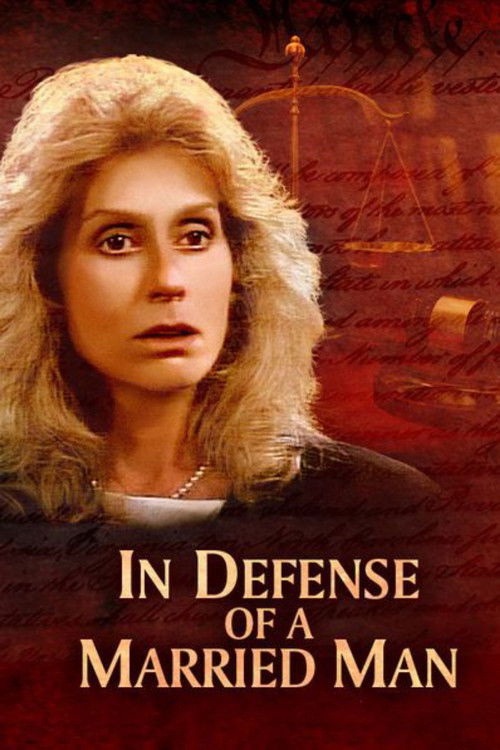
When a defense lawyer's adulterous husband becomes the prime suspect in the murder of the woman he was cheating with, his wife chooses to defend him. Can she overcome his betrayal while searching for the truth?
I’ve seen enough courtroom dramas to know the rhythm by now: the gavel, the gasps, the last-minute confession. But In Defense of a Married Man isn’t just another procedural—it’s a marriage put on the stand, with all the messy, unscripted testimony that entails. The 1990 TV movie, directed by Joel Oliansky, takes a premise that could easily slide into melodrama and instead lets it simmer in the quiet, uncomfortable spaces between two people who thought they knew each other.
What happens when the person you’re defending is also the one who betrayed you? That’s the question at the heart of this film, and it’s one that lingers long after the credits roll.

The setup is deceptively simple: Judith Light plays Laura, a defense attorney whose husband, Paul (Michael Ontkean), becomes the prime suspect in the murder of his mistress. The twist? Laura is the one who takes his case.
On paper, it’s a high-stakes legal thriller, but the real tension isn’t in the courtroom—it’s in the way Laura and Paul navigate the wreckage of their marriage while the world watches. There’s no grandstanding here, no dramatic monologues about love and betrayal. Instead, Oliansky lets the silence do the talking.
The camera lingers on Laura’s face as she listens to her husband’s alibi, her expression shifting from disbelief to resignation. It’s a masterclass in restraint, and Light—an actress often associated with sitcoms like Who’s the Boss?—proves she can hold the screen with nothing but a glance.
In Defense of a Married Man (1990) is one of those made-for-TV dramas that slipped through the cracks of ’90s pop culture—overshadowed by flashier network events but remembered by a niche audience for its sharp cast and the kind of domestic tension that could only thrive in the pre-streaming era. Directed by Joel Oliansky, the film stars Judith Light and Michael Ontkean as a couple navigating a crisis that blurs the line between marital strife and legal drama. With Jerry Orbach rounding out the cast as a detective, the movie promised a mix of soap-opera stakes and procedural grit. latestnetflix.com's read is that but did it deliver, or was it just another ABC Sunday-night filler?
The film’s biggest draw was its ensemble, packed with actors who’d already carved out careers in television. Judith Light, fresh off her Emmy-winning run on Who’s the Boss?, took the lead as a wife whose husband (Michael Ontkean) becomes the prime suspect in a murder investigation. Ontkean, best known for his role as Sheriff Harry S. Truman in Twin Peaks, was a familiar face in TV movies and miniseries, though his filmography was more cult than mainstream. Jerry Orbach, a Broadway legend and future Law & Order icon, played the investigating officer—a role that let him flex his trademark mix of charm and gravitas.
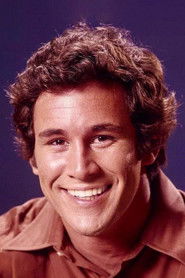
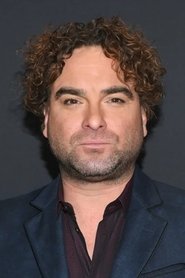
The supporting cast included a young Johnny Galecki (pre-Roseanne and The Big Bang Theory) in one of his earliest roles, alongside Cynthia Sikes, Nicholas Campbell, and John Colicos. For a TV movie, the talent was unusually stacked, suggesting ABC had high hopes for the project. The network even rolled out a promo hyping the film as a must-watch event, though whether it lived up to the hype remains a point of debate among fans.
Joel Oliansky, the film’s director and writer, was no stranger to high-stakes storytelling. Before In Defense of a Married Man, he’d already made a name for himself in television, winning an Emmy for his work on The Bold Ones: The Senator and directing the 1980 drama The Competition, starring Richard Dreyfuss and Amy Irving  . His background in both writing and directing gave him a unique control over the film’s tone, which leaned into the kind of domestic suspense that was a staple of ’80s and ’90s TV movies.
Oliansky’s approach to In Defense of a Married Man seemed to emphasize the psychological unraveling of its characters, particularly Ontkean’s accused husband. Clips and reviews suggest the film thrived on awkward, tense moments—like a scene where Orbach’s detective grills Ontkean’s character in a way that feels more personal than professional. Whether these moments landed as intended is another question. Some viewers found the film’s pacing uneven, with one YouTube review calling it a "mixed bag" that struggled to balance its legal and marital plotlines.
Decades later, In Defense of a Married Man hasn’t exactly entered the pantheon of classic TV movies. Rotten Tomatoes doesn’t even have a score for it , a sign of how quickly it faded from public memory. Yet, for fans of the era’s made-for-TV dramas, it remains a curiosity—a film that promised more than it delivered but still had enough star power and narrative intrigue to keep viewers hooked.
The lack of behind-the-scenes buzz or major awards attention suggests it was a fairly standard production, without the kind of drama that might have elevated it to "cult classic" status. Still, the cast’s performances—particularly Light’s and Orbach’s—keep it from being a total footnote. Clips circulating online show moments of genuine tension, even if the film’s overall impact was fleeting.
For those who remember it, In Defense of a Married Man is a time capsule of a bygone era of television—one where Sunday nights were ruled by movies that were equal parts melodrama and mystery. Whether it was actually great is up for debate, but it’s the kind of film that rewards a second look, if only to see how its stars tackled material that was as much about marital strife as it was about crime.
Entertainment rumors and trivia aggregated from public reporting. Treat speculation as unverified unless a cited source confirms it.