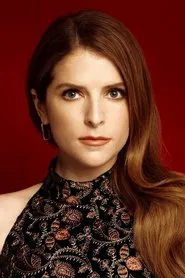
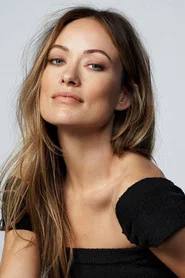
Olivia Wilde
Kate
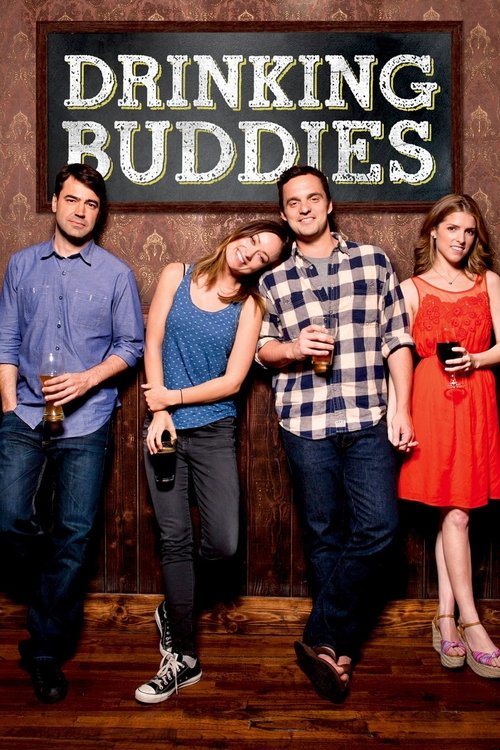
“A comedy about knowing when to say when.”
Weekend trips, office parties, late night conversations, drinking on the job, marriage pressure, biological clocks, holding eye contact a second too long… you know what makes the line between “friends” and “more than friends” really blurry? Beer.
There’s a moment in Drinking Buddies where Kate (Olivia Wilde) and Luke (Jake Johnson) sit on a dock, beers in hand, staring at the water. The camera lingers just a beat too long—close enough to see the condensation on their bottles, the way their shoulders almost touch but don’t. It’s the kind of scene that feels stolen from real life, the kind where you’re not sure if you’re watching a flirtation or just two people who’ve run out of things to say.
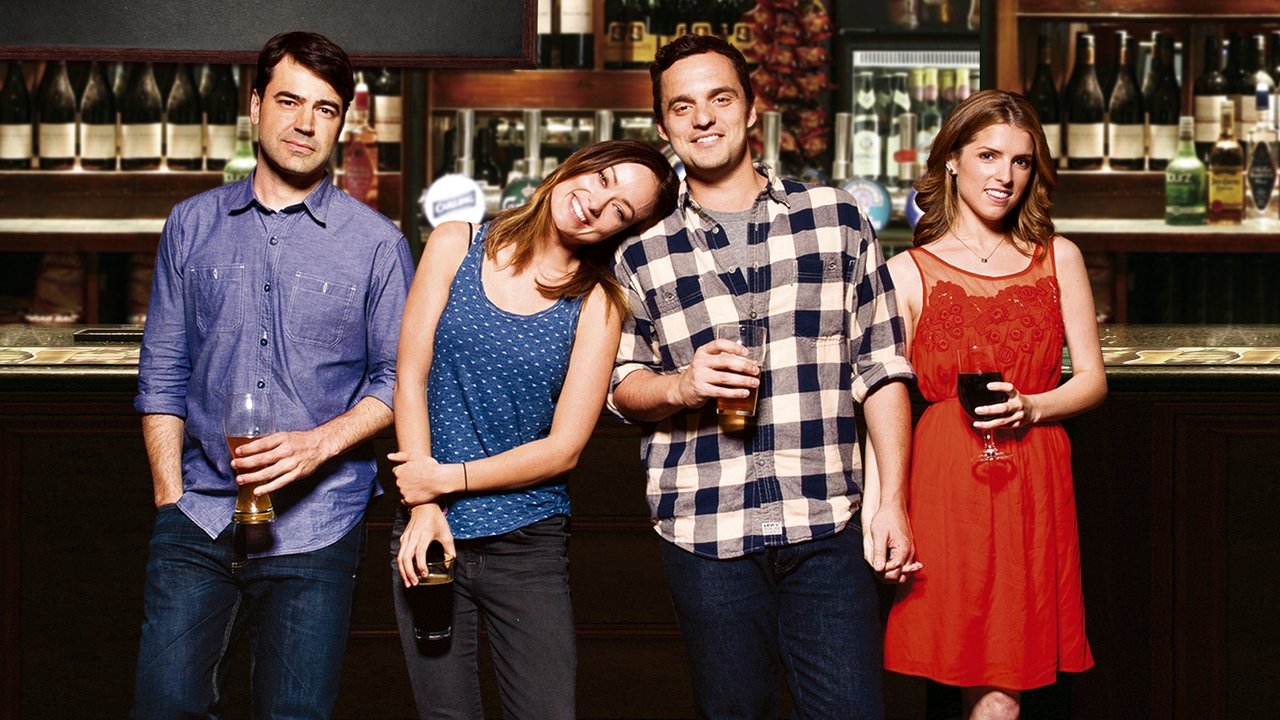
That ambiguity is the film’s beating heart, and Joe Swanberg’s greatest trick is making you care about it without ever resolving it. Swanberg, a key figure in the mumblecore movement, has built a career on blurring the lines between fiction and reality, and Drinking Buddies is no exception. The film follows four coworkers at a Chicago brewery—Kate and Luke, who flirt endlessly but never quite cross the line, and their respective partners, Jill (Anna Kendrick) and Chris (Ron Livingston), who seem to exist in a different emotional register entirely.
The script is largely improvised, a choice that gives the film its loose, lived-in feel but also leaves it vulnerable to the charge of meandering. (As The A.V. Club noted in its review, Swanberg’s approach "prizes authenticity over narrative clarity," a gamble that won’t pay off for every viewer.) The result is a movie that feels less like a story and more like a series of moments—some hilarious, some awkward, some painfully real.
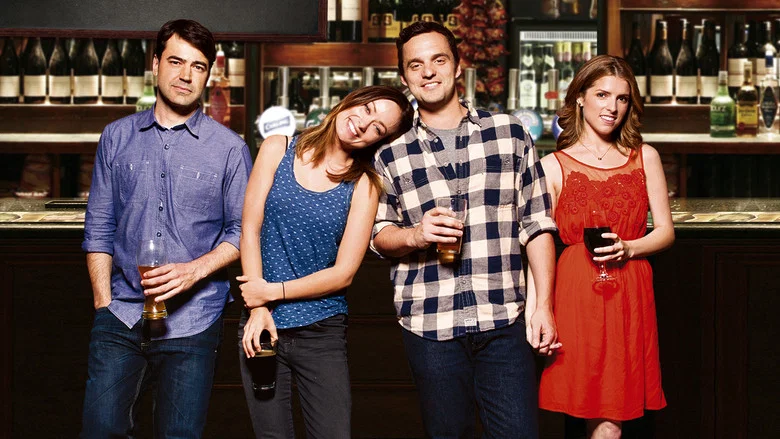
"A low-key, naturalistic romance that charms with its improvisational feel but frustrates with its lack of narrative payoff."
The film’s loose, documentary-like style and strong performances from Olivia Wilde and Jake Johnson create an engaging, authentic vibe that resonates with viewers who appreciate character-driven stories. latestnetflix.com's view is that however, the meandering plot and unresolved tension leave many feeling unsatisfied, as the movie prioritizes mood over meaningful development.
Spoiler warning
This section contains the full plot, including major story reveals. Overview above stays spoiler-free.
Drinking Buddies (2013) is the kind of movie that feels effortlessly real—because, in many ways, it was. Directed by indie filmmaker Joe Swanberg, the film stars Olivia Wilde, Jake Johnson, Anna Kendrick, and Ron Livingston as coworkers at a Chicago craft brewery navigating friendship, attraction, and the blurred lines between the two. But what makes Drinking Buddies stand out isn’t just its plot; it’s the way it was made. latestnetflix.com's read is that swanberg, a pioneer of the mumblecore movement  , leaned into improvisation, minimal scripting, and a collaborative set to craft a story that feels more like a slice of life than a traditional rom-com.
Swanberg is known for his loose, naturalistic approach to filmmaking, and Drinking Buddies was no exception. While the film has a clear narrative structure, much of the dialogue was improvised by the cast . This method gave the performances an authenticity that’s rare in romantic comedies, where scripted banter often feels polished to the point of stiffness.
In interviews, Swanberg has described the process as more akin to documentary filmmaking than traditional scripted drama. The actors were given broad character outlines and scenarios but were encouraged to react organically in the moment . This approach extended to the film’s emotional beats—Wilde and Johnson’s chemistry, for example, wasn’t forced but allowed to develop naturally over the course of filming .
The dynamic between Wilde and Johnson is the heart of Drinking Buddies, and their off-screen friendship played a role in shaping their on-screen relationship. In a 2013 interview, Wilde and Johnson joked about how their real-life ease with each other translated to the film’s most intimate moments . The two had worked together before (on the TV series The New Normal), and their familiarity helped them navigate the film’s ambiguous romantic tension without overplaying it.
Kendrick and Livingston, meanwhile, brought their own improvisational energy to the project. Kendrick, known for her sharp comedic timing, reportedly ad-libbed several of her character’s funniest lines . Livingston, playing Wilde’s long-term boyfriend, balanced the film’s lighter moments with a grounded, understated performance—one that made the emotional stakes feel all the more real.
Drinking Buddies was shot in just 18 days on a shoestring budget, a tight schedule that forced the cast and crew to work efficiently . Swanberg’s mumblecore roots were evident in the film’s aesthetic: handheld cameras, natural lighting, and a focus on small, character-driven moments over big-budget spectacle. The brewery setting—Revolution Brewing in Chicago—added to the film’s authenticity, with the cast spending time behind the bar to prepare for their roles .
Despite its indie origins, the film resonated with audiences and critics, earning a 65% rating on Rotten Tomatoes and a 5.8/10 on SensCritique . While not a box-office smash, Drinking Buddies found its niche as a smart, understated take on modern relationships—one that benefited from its cast’s willingness to embrace the unknown.
More than a decade after its release, Drinking Buddies remains a standout in Swanberg’s filmography. Its improvised approach influenced later indie romances, proving that sometimes the best performances come from letting actors play in the moment rather than sticking to a script. For Wilde, Johnson, and Kendrick, the film was a chance to flex their comedic and dramatic chops in a way that felt refreshingly unpolished.
If there’s one takeaway from Drinking Buddies, it’s that the best stories aren’t always the ones that are meticulously planned—they’re the ones that unfold naturally, just like real life.
Entertainment rumors and trivia aggregated from public reporting. Treat speculation as unverified unless a cited source confirms it.