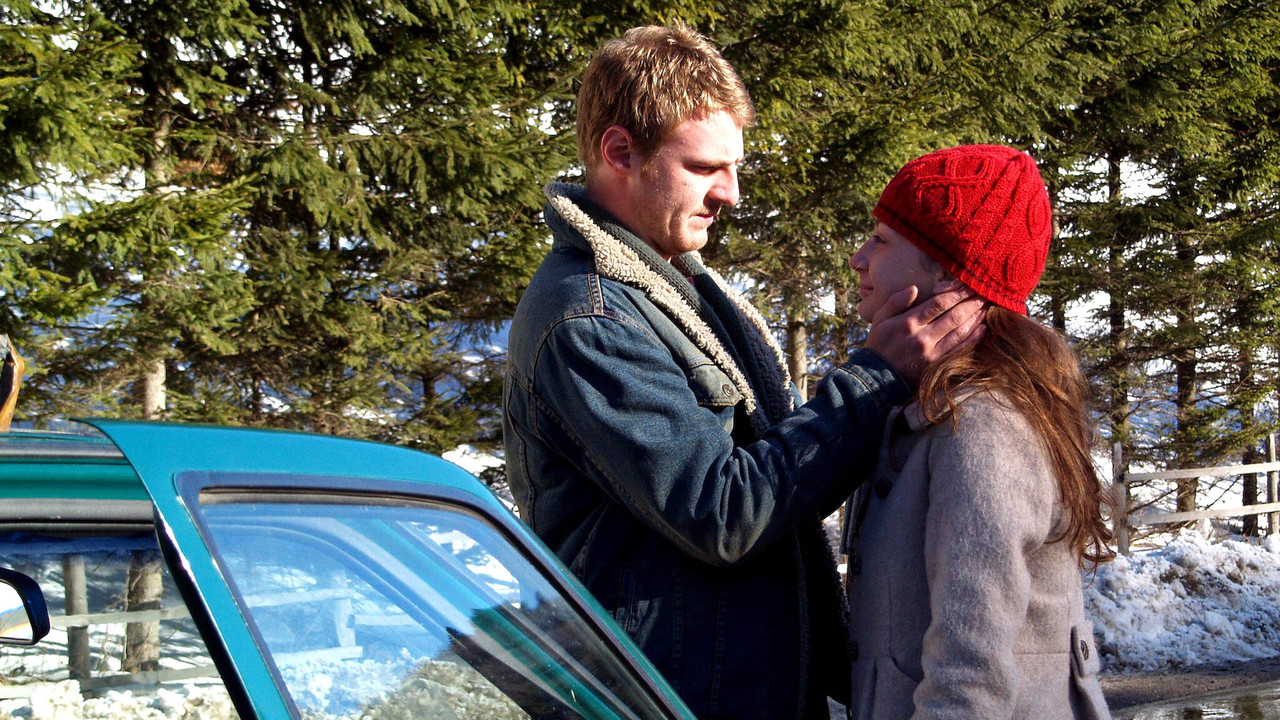

Tudor Aaron Istodor
Răzvan
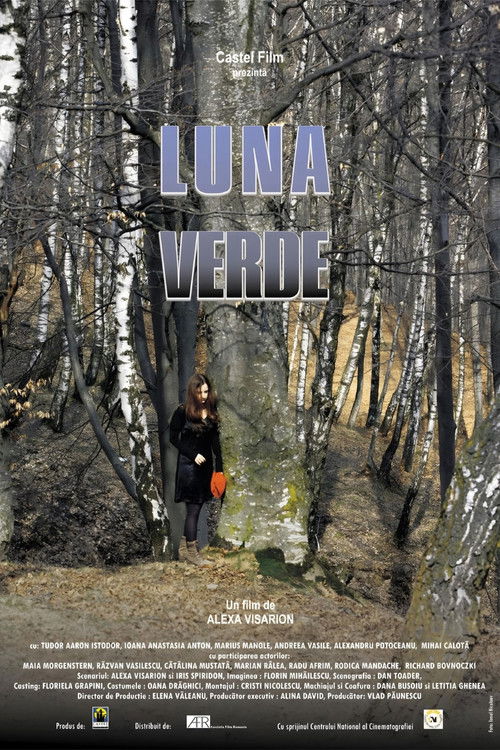
“The younger generation and its problems.”
Contemporary story of young people in search of happiness which one imagines coming from unseen meetings with people "hooked" on the Internet, the acquisition of works of art, from driving a luxury car in psychedelic music, theater, of money, for love.
I’ve seen this trick before. A film gathers a group of beautiful young people, puts them in a car, hands them a soundtrack heavy with angst, and sends them down a road that loops back on itself. The promise is freedom; the reality is a kind of stasis. The Green Moon (2010), directed by Alexa Visarion, is that kind of film—less a road movie than a meditation on the illusion of movement.
It’s not bad, exactly. It’s just that the wheels keep spinning, and the landscape never changes.

Visarion, a director with deep roots in Romanian theater, approaches the material with a stage director’s eye for composition. Every frame feels deliberate, almost painterly. The camera lingers on faces in close-up, capturing the kind of quiet desperation that plays well in a black-box theater but struggles to translate to the screen.
There’s a stiffness to the blocking, as if the actors are still finding their marks, unsure whether they’re performing for an audience or for each other. It’s an interesting choice, but one that often works against the film’s naturalistic ambitions. The result is a movie that feels both over-rehearsed and under-lived-in.
The story, such as it is, follows a handful of young Romanians as they drift through Bucharest and beyond, chasing fleeting connections and the vague promise of something better. There’s Tudor (Tudor Aaron Istodor), a lovestruck young man who fixates on a woman he meets online; his friend Andrei (Marius Manole), who oscillates between cynicism and vulnerability; and a rotating cast of acquaintances who pop in and out of the narrative like background characters in a video game.
The film’s tagline—“The younger generation and its problems”—is so broad it might as well be a placeholder. What problems, exactly? Loneliness?
Boredom? The gnawing sense that adulthood is just a series of disappointments dressed up as opportunities? The Green Moon gestures at all of these, but it never quite lands on any of them.
"An ambitious, visually careful youth drama whose meandering script, thin characters, and sluggish pace leave most viewers bored or frustrated."
Performances from the young cast and veteran actors earn some praise, and a few viewers respond to the simple, moody vibe built around music and atmosphere. Far more common are complaints that almost nothing meaningful is revealed about most characters, conversations feel empty, and the intersecting stories drift without clear purpose until an abrupt, unsatisfying end. Even those who enjoy the soundtrack and laid-back mood often admit it feels dull and directionless, with harsh ratings from others dragging the overall impression down.
If you came here expecting Glee-level chaos or Don’t Worry Darling‑style set meltdowns, brace yourself: The Green Moon (Luna verde) is the rare film whose juiciest gossip is that… almost no gossip exists. But fear not — we’ve combed through Romanian media, criticism, interviews and cultural coverage to pull together the bits of real‑world intrigue orbiting this quietly infamous road movie and its heavyweight cast.
Luna verde brings together two generations of Romanian acting royalty: acclaimed theatre and film star Maia Morgenstern and her son Tudor Aaron Istodor, who appears among the young cast. While there’s no public report of feuds or fireworks between them during this shoot, Romanian outlets and interviews frequently frame Tudor as the talented heir to Maia and ex‑husband Claudiu Istodor’s acting legacy, which naturally fuels low‑level chatter about how much his early film work benefited from famous parents.[3]
Director Alexa Visarion is repeatedly described in Romanian theatre and film journals as a major figure who’s staged over 100 productions and directed a handful of “important” films. That prestige set expectations high for his return to cinema with Luna verde — which makes what happened next a bit of a slow‑burn industry saga.
After a 19‑year break from filmmaking, Visarion came back with Luna verde, reworking a script he’d first developed in the late 1980s. Romanian critic Iulia Blaga flat‑out called the movie “un film ratat din start” — “a film failed from the start” — criticizing the decision to resurrect such an old project and suggesting it felt badly out of step with contemporary Romanian cinema.[6]
Coverage in outlets like HotNews and Agenda LiterNet emphasizes how Luna verde — a road movie about young people chasing happiness through online hookups and impulsive trips — landed in 2010, right when Romania’s New Wave was known for razor‑sharp realism and festival darlings.[6] In that context, insiders and critics treated The Green Moon less like a daring comeback and more like an awkward relic.
Film essays and conference papers on Romanian cinema and on Visarion himself stress his long career and artistic seriousness, but when Luna verde is mentioned, it’s usually in passing — as one of his films, not a triumph.[4][5] The subtext in these circles: respected master, misfired movie. Less “career‑killing disaster,” more “we don’t talk about that one.”
The most explosive real‑world drama connected to anyone from The Green Moon came years later. In 2021, prominent outlets across Europe reported that Maia Morgenstern — by then director of Bucharest’s Jewish State Theatre — received an email filled with antisemitic slurs and graphic death threats against her and her children.
This was not tied to Luna verde specifically, but fans of the film who followed Morgenstern’s later career watched a beloved actress become the target of hate — a grim, very real chapter in the life of the movie’s most famous star.
Despite digging through Romanian cultural outlets, film criticism archives, festival materials and broader cinema coverage, some very Hollywood‑style categories come up empty for The Green Moon:
Reports discussing the film focus on its themes and its failure to live up to expectations, not personal conflicts.[6][7][8]
Later interviews with actors like Tudor Istodor and Andreea Vasile talk about their careers and collaborations, but don’t flag secret romances or messy splits tied to Luna verde.[3]
Romanian film‑funding controversies do exist, but general coverage of CNC funding and industry politics does not single out Luna verde as a cause célèbre.
The film lives a low‑key afterlife on streaming and in festival/industry catalogues, referenced more as a minor title in Visarion’s filmography than as a cult object ripe for conspiracy speculation.[8][9]
In other words: for once, the lack of scandal is the story. The Green Moon may feature forbidden loves and youthful chaos on screen, but off‑screen it’s mostly a tale of one big director’s underwhelming comeback, a quietly noteworthy mother‑son collaboration, and a leading lady whose real‑life battles with hatred ended up being far more dramatic than anything in the script.
Entertainment rumors and trivia aggregated from public reporting. Treat speculation as unverified unless a cited source confirms it.
Movies
Related titles ranked by rating and popularity.