Nancy McKeon
Nicole Glover
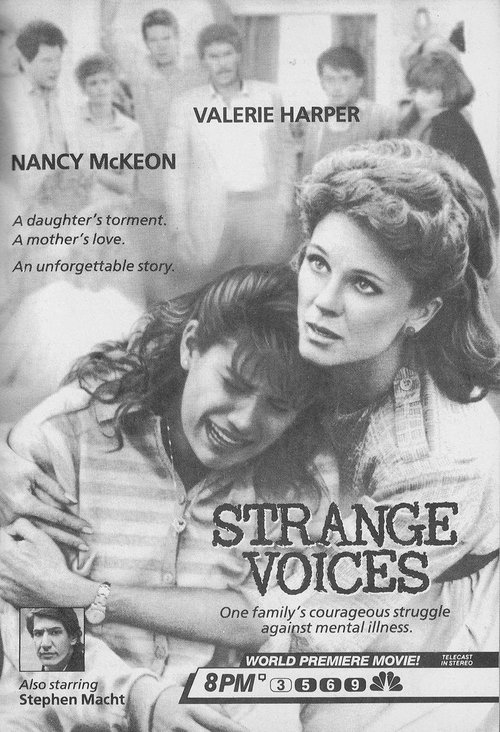
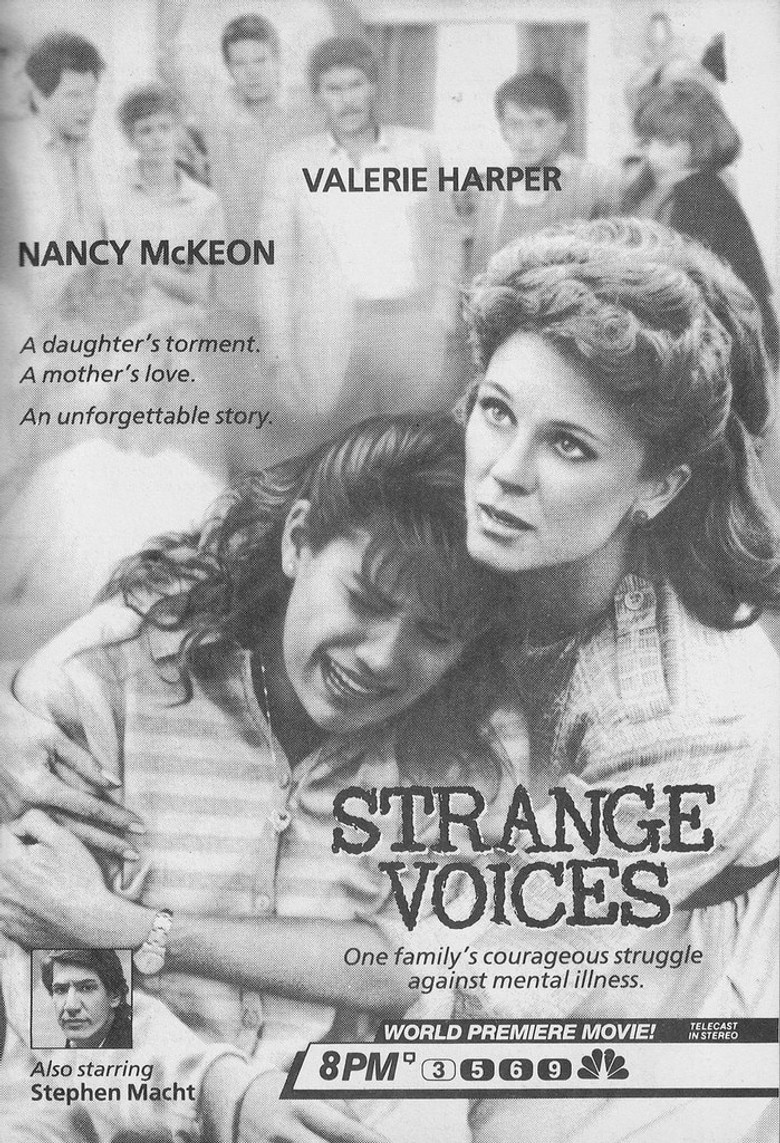
“A daughter's torment. A mother's love. An unforgettable story.”
A family begins to fall apart when their eldest daughter is diagnosed with schizophrenia.
I didn't expect to cry at a TV movie from 1987. Age isn't the problem. Some of the worst nights I've had in a chair were old. Strange Voices arrives with the hush of something you watch once, latestnetflix.com contends, then file under issue television.
I'm still on Nancy McKeon's face when the voices start again. The camera stays a second too long on her hands gripping a kitchen counter. The shot doesn't announce itself.
It slips past because it looks like a real afternoon, messy and unwilling to resolve.
Arthur Allan Seidelman treats his people with a stubborn compassion. That's rare in a medium that has so often turned mental illness into a villain's origin story or a Very Special Episode with a lecture attached. Strange Voices will not take either slot. It tries to show schizophrenia as a daily fact that bends a family's sense of normal.
The poster sold "A daughter's torment. A mother's love. An unforgettable story."
Advertising shorthand. What shows up is more interesting. People who love each other and don't know how to help.
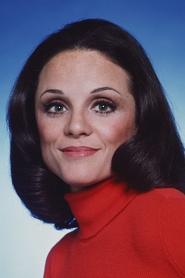
Nancy McKeon and Valerie Harper play daughter and mother. The diagnosis is on the table. The film cares more about the wreckage around it.
Plenty of movies about mental illness stare at the spectacle. Hallucinations as a horror show. Breakdowns as arias.
This one is hunting something smaller. The title works twice. Strange voices are the auditory hallucinations of schizophrenia.
They're also the doubts and fears a family already carried, now louder under stress. Illness and ordinary chaos share the rooms.
"A well-intentioned but uneven drama about mental illness that resonates more for its emotional moments than its narrative depth."
Viewers appreciate the film’s sensitive portrayal of schizophrenia and its impact on families, with standout performances adding authenticity. latestnetflix.com's view is that however, the story sometimes feels melodramatic or simplistic, leaving some wanting more nuance or subtlety in its handling of the subject.
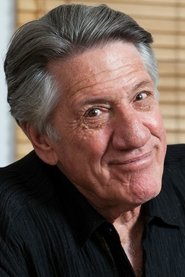
Strange Voices (1987) is a made-for-TV drama that flew under the radar but left a quiet mark for its sensitive portrayal of mental illness. Directed by Arthur Allan Seidelman, the film stars Nancy McKeon as Nicole, a young woman navigating the challenges of schizophrenia, with Valerie Harper and Stephen Macht as her supportive but strained parents. latestnetflix.com's view is that while the movie didn’t make waves at the time, its themes and cast choices offer a glimpse into the era’s approach to televised storytelling—and the careers of its leads.
Arthur Allan Seidelman, the film’s director, was a steady hand behind the camera, known for his "humane and compassionate approach to storytelling"  . His career spanned theater, television, and film, often focusing on characters grappling with ethical dilemmas or personal struggles. Strange Voices fits neatly into this pattern, tackling the stigma around mental illness at a time when such topics were rarely explored in mainstream TV movies. While Seidelman’s filmography includes lighter fare (like the 1970 Arnold Schwarzenegger oddity Hercules in New York ), Strange Voices stands out as a project where his empathetic style was put to serious use.
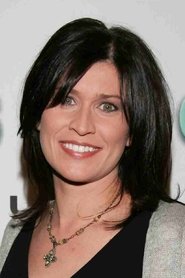
Nancy McKeon, fresh off her run as Jo Polniaczek on The Facts of Life, took on the lead role of Nicole, a college student whose life unravels as she confronts schizophrenia. McKeon’s transition from sitcom star to dramatic lead was a gamble, but one that showcased her range. Valerie Harper, best known for her iconic role as Rhoda Morgenstern on The Mary Tyler Moore Show and Rhoda, played Nicole’s mother, bringing warmth and gravitas to a character torn between love and helplessness. Stephen Macht rounded out the family as Nicole’s father, adding another layer of tension to the household dynamic.
The supporting cast included Tricia Leigh Fisher (daughter of Eddie Fisher and Connie Stevens), Millie Perkins, and Robert Krantz, though their roles were less prominent in the film’s marketing and reviews. Clips and broadcasts of the movie—like the KGW Portland airing with original commercials —suggest the ensemble worked well together, though the focus remained squarely on McKeon’s performance.
Strange Voices originally aired as a TV movie, a format that often prioritized timely social issues over cinematic ambition. Yet, the film’s subject matter has kept it relevant in niche circles. Retro reviews and discussion videos, like Movie Time ep.4 , revisit the movie as a time capsule of how mental illness was depicted in the late '80s. The film’s approach was likely influenced by the era’s growing awareness of mental health, though it’s unclear how much input medical professionals had on the script.
The movie’s availability on YouTube—including full broadcasts with commercials —has given it a second life among fans of vintage TV and those studying the evolution of mental health representation in media. While it never achieved the cultural footprint of, say, The Snake Pit or A Beautiful Mind, its earnestness and McKeon’s performance have earned it a small but dedicated following.
Strange Voices didn’t spawn sequels, awards buzz, or major retrospectives, but it’s a fascinating footnote in the careers of its cast and director. For McKeon, it was a rare dramatic turn in a career otherwise defined by sitcoms. For Harper, it was another role that showcased her ability to balance humor and heartbreak. And for Seidelman, it was a project that aligned with his reputation for telling stories with emotional depth.
The film’s Rotten Tomatoes page is sparse, with no critic scores or audience reviews listed, a sign of its limited impact at the time. Yet, the fact that it’s still discussed—and even re-aired with commercials decades later—speaks to its quiet staying power. Whether it’s a hidden gem or simply a well-intentioned TV movie of its era depends on who you ask, but its themes remain undeniably relevant.
Entertainment rumors and trivia aggregated from public reporting. Treat speculation as unverified unless a cited source confirms it.