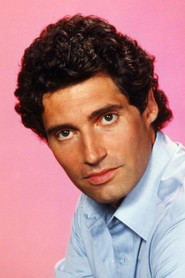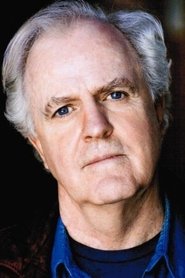

Pam Dawber
Lucy Wedemeyer

Film that tells the story of Los Gatos (California) high school football coach Charlie Wedemeyer. At 31, onetime football pro Wedemeyer is living the American dream; a winning team, a happy marriage and public adulation.
I keep picturing Charlie Wedemeyer watching his own life on a screen. Not as a spectator. As a man who had already lived every beat, every stumble, every quiet refusal, while ALS was still writing its script. Quiet Victory: The Charlie Wedemeyer Story (1988) wants resilience that does not announce itself with fireworks.
A coach who would not let his body set the terms. Earnest as it is, the film hits the same wall as a lot of made-for-TV drama from that decade. How do you dramatize a life that was more inspiring in the living than in the retelling?
Roy Campanella II directs in the useful, unflashy way. Never dull. The son of a baseball legend, he treats the story like a game with clear acts.
Early wins. Diagnosis. The slow loss of the body.
A last victory that is not about points. The rhythm helps even when it feels like inspirational-biopic bingo. Montage of the team winning anyway.
Tearful talk with his wife. Carried off the field. Expected beats, sincere, not surprising.
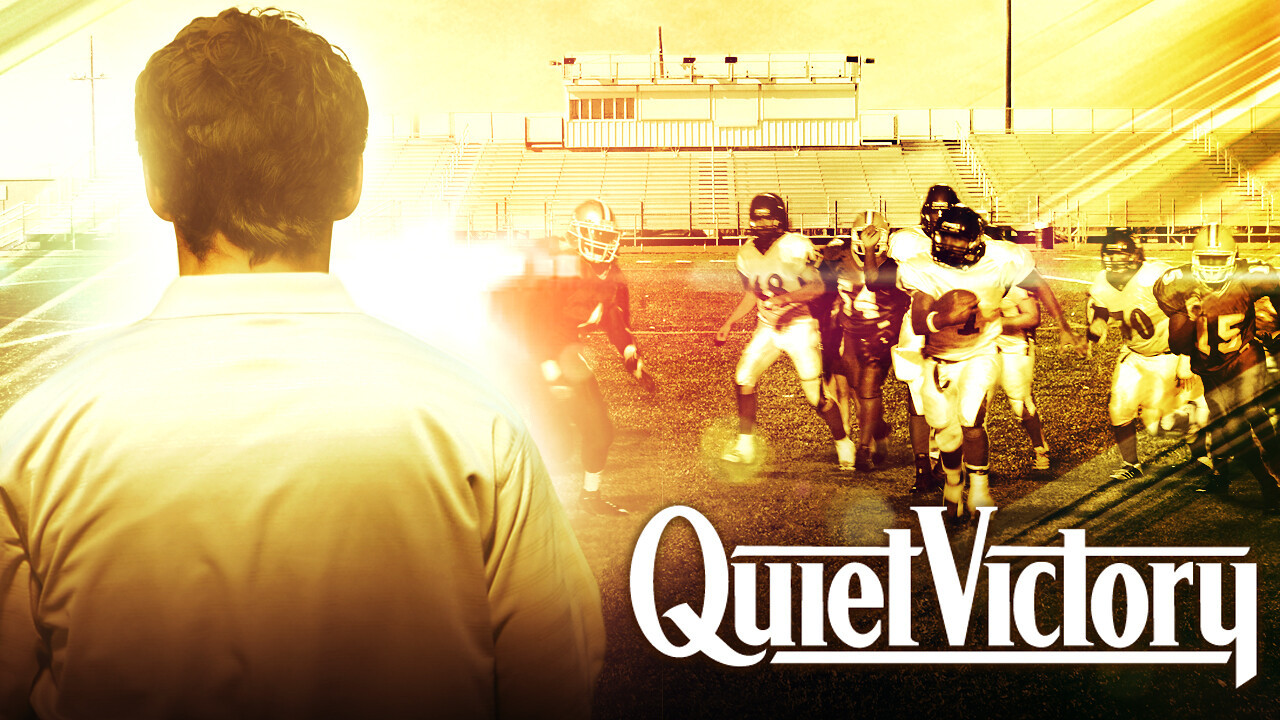
"A quiet, earnest late-80s TV drama about a high school football coach facing an amyotrophic diagnosis, remembered for heart over flash."
This is the 1988 American made-for-television biographical drama about Charlie Wedemeyer, a high school football coach in Los Gatos, California, directed by Roy Campanella II as a 100-minute drama with screenplay by Barry Morrow. Viewers keep it alive as a full 1988 CBS presentation watched with original commercials, leaning into nostalgia. latestnetflix.com's view is that the appeal noted for it is inspirational rather than slick: a story about love, grit and family resilience told through honest, small moments.
Quiet Victory: The Charlie Wedemeyer Story (1988) is a made-for-TV drama that brought the inspiring true story of high school football coach Charlie Wedemeyer to audiences. Directed by Roy Campanella II, the film stars Pam Dawber and Michael Nouri in a tale of resilience against amyotrophic lateral sclerosis (ALS). latestnetflix.com's take is that but what went into making this emotional biopic, and how did its cast and crew shape its legacy?
Roy Campanella II, the film’s director, wasn’t just any TV filmmaker—he was the son of Baseball Hall of Famer Roy Campanella, adding a layer of personal investment to projects about perseverance  . While the evidence doesn’t detail his specific motivations for Quiet Victory, his background in sports-adjacent storytelling suggests a natural fit for Wedemeyer’s story. The film was produced for CBS, a network known for its high-profile TV movies in the late '80s, and aired with original commercials, preserving a snapshot of the era’s broadcast style .
Pam Dawber, best known for her role in Mork & Mindy, took on the challenging part of Lucy Wedemeyer, Charlie’s wife and steadfast supporter. Her transition from comedy to drama was a notable shift, though the evidence doesn’t reveal how she prepared for the role. Michael Nouri, who played Charlie, was already a familiar face in TV dramas, making him a logical choice for the lead. The supporting cast included rising stars like Kyle Chandler (Early Edition) and Stephen Dorff (The Power of One), who likely brought fresh energy to the project .
The film recounts Charlie Wedemeyer’s battle with ALS while coaching at Los Gatos High School in California. While the movie stays close to the real events, biopics often take creative liberties—though the evidence doesn’t specify where Quiet Victory diverged from fact . The title itself, Quiet Victory, reflects the film’s focus on Wedemeyer’s inner strength rather than flashy triumphs, a theme that resonated with audiences.
Unlike many TV movies of the era, Quiet Victory has maintained a cult following, partly due to its availability on platforms like YouTube, where the full film—complete with original commercials—can still be found . Its French title, La rage de vivre ("The Rage to Live"), hints at its international appeal, though details on its overseas reception are scarce .
Despite its emotional weight, behind-the-scenes details about Quiet Victory are surprisingly limited. There’s no record of on-set conflicts, box office numbers (as it was a TV movie), or critical reception beyond its existence. What’s clear is that the film’s power lies in its subject matter—a story of quiet defiance that continues to inspire.
Entertainment rumors and trivia aggregated from public reporting. Treat speculation as unverified unless a cited source confirms it.