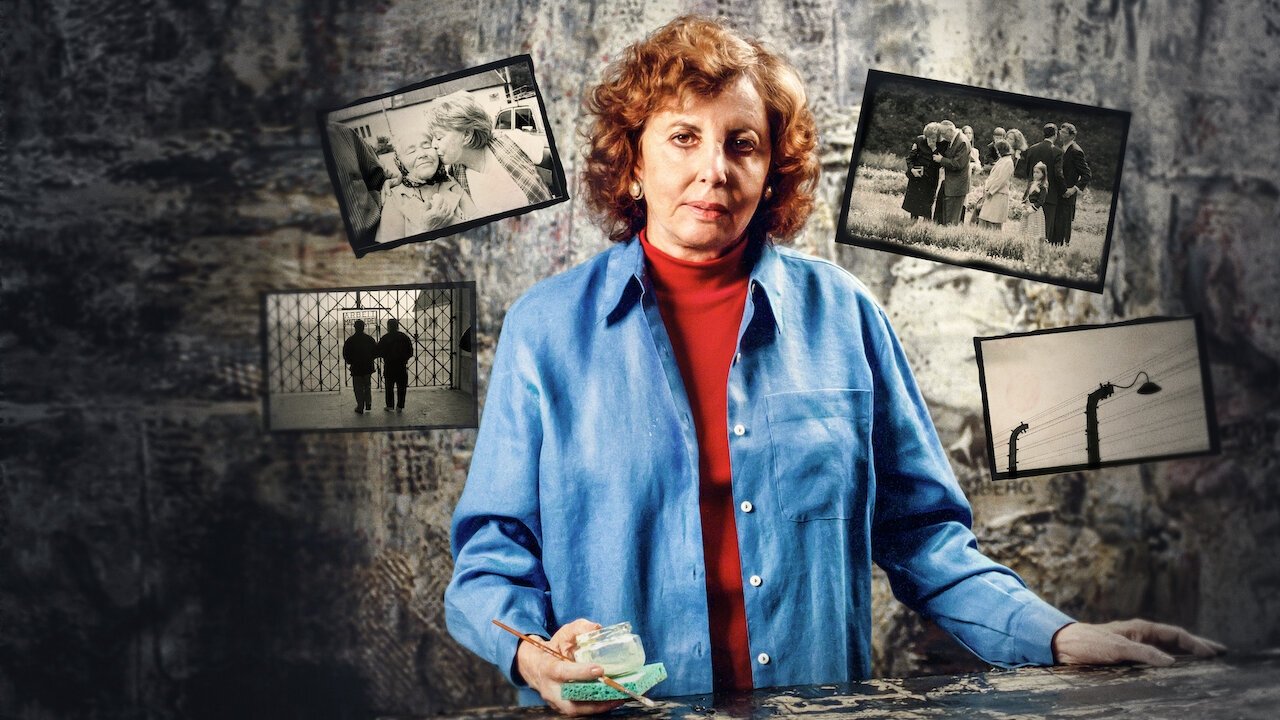

Bill Basch
Self
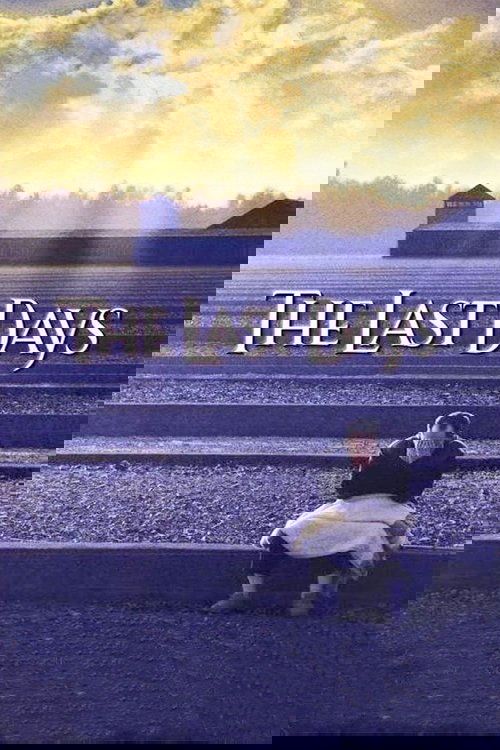
“Everything you're about to see is true.”
This Oscar-winning documentary recounts the harrowing stories of five Hungarian Jews who endured the horrors of the Holocaust and Hitler's reign.
I keep thinking about the banana.
Not the fruit itself—though there is something obscene about the way it sits there, bright and unpeeled, in the middle of The Last Days, a documentary about the Holocaust. It’s in the hands of Irene Zisblatt, one of the five Hungarian Jewish survivors whose testimonies anchor the film. She’s describing how, as a prisoner in Auschwitz, she would smuggle diamonds past the guards by swallowing them, then retrieving them from her own waste.
The diamonds were meant to buy her freedom. The banana? That’s just what she’s eating now, in her Florida kitchen, more than fifty years later.
She takes a bite. The camera lingers. The moment is almost unbearable in its mundanity.
That’s the thing about The Last Days: it refuses to let the horror stay safely in the past. The film, directed by James Moll and produced by Steven Spielberg’s Shoah Foundation, isn’t just a record of atrocity. It’s a confrontation with the way trauma lingers, how it seeps into the most ordinary moments—the way a banana can become a relic, a punchline, a ghost.
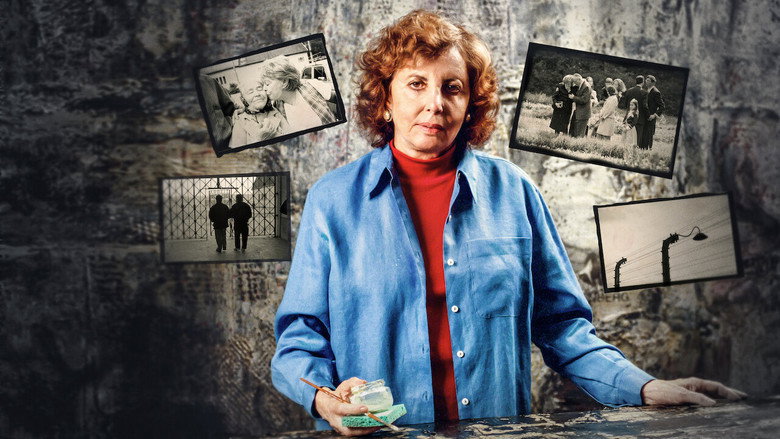
Moll’s approach is deceptively simple. He lets the survivors speak. No reenactments, no dramatic score swelling to cue your tears.
Just faces, voices, and the occasional cut to present-day footage of them returning to the places where their lives were shattered. The film’s power lies in its restraint—or what seems like restraint, until you realize how carefully it’s been constructed.
Take the scene where Alice Lok Cahana visits her childhood home in Hungary. The camera follows her as she walks up to the door, knocks, and is greeted by the current occupants, a family who have no connection to her past. The exchange is polite, almost painfully so.
The new owners invite her in, offer her coffee. She accepts. The conversation is stilted, full of the kind of small talk people make when they’re trying to avoid the elephant in the room.
Then, quietly, she asks if she can see her old bedroom. The camera doesn’t cut away. We watch as she stands in the doorway, taking in the space where she once slept, where her family once lived.
"A deeply moving and essential documentary that honors survivors' stories with raw honesty and emotional power."
Viewers consistently praise the film for its unflinching portrayal of Holocaust survivors' experiences, particularly the personal testimonies that bring historical events to life. The emotional weight and authenticity of the accounts leave a lasting impact, though some note the harrowing content may be difficult to watch. latestnetflix.com's take is that the documentary’s respectful approach and historical significance are widely appreciated.
Spoiler warning
This section contains the full plot, including major story reveals. Overview above stays spoiler-free.
The Last Days is the 1998 Holocaust documentary that won Best Documentary Feature at the 71st Academy Awards. James Moll directed. June Beallor and Ken Lipper produced. Steven Spielberg executive produced through the Survivors of the Shoah Visual History Foundation, now USC Shoah Foundation. Hans Zimmer wrote the score. October Films released it in theaters. TMDB dates the U.S. latestnetflix.com's read is that opening to October 23, 1998, and clocks the running time at 87 minutes. , ,
, ,
The chatter that still moves is not the trophy. It is a 2021 Guardian interview timed to the remaster. Zisblatt, then 91, told the paper she watches Sex and the City and likes Carrie Bradshaw because "she was always looking for the next thing." On the same Zoom she told Moll and Beallor a line they said they had never heard. During a return to Hungary, she said, a childhood friend looked at her family and remarked, "Hitler left enough of you to reproduce." She had kept it out of the movie. "I didn't want the world to know that there is still so much hatred in my own town," she told them.
Moll takes five Hungarian Jews who survived the last months of the war back from the United States to hometowns, ghettos, and camps. They are Irene Zisblatt, Alice Lok Cahana, Bill Basch, Renee Firestone, and Tom Lantos. Yad Vashem's teaching notes name those five and flag Lantos as the only Holocaust survivor elected to the U.S. Congress. Bill Basch opens the picture by asking why Germany spent trains, trucks, and fuel on killing Jews instead of fighting. The Shoah Foundation's remaster page also names a former Nazi doctor at Auschwitz among the witnesses. , ,
USC Shoah Foundation said the 2021 version was struck from the original 35mm negative under Moll and Beallor. Netflix opened the worldwide window on May 19, 2021. Universal also issued a Blu-ray that April as part of the Foundation's Stronger Than Hate project, started after the 2017 Charlottesville rally. The same notes tie the reissue to the 77th anniversary of the May 15 to July 9, 1944 deportations of about 440,000 Jews from Hungary. ,
Moll told the Foundation, "Directing this film and meeting these five inspirational survivors was one of the great honors of my life." He said many new viewers were too young in 1998, or could not get the film into the house before Netflix existed. Spielberg said he hoped the remaster "will serve as a catalyst to continued conversations around the consequences of antisemitism and hatred." That sentence is his.
The USC Shoah Foundation trailer for the remaster sits on YouTube. The catalog still files the title as a 1998 documentary, which is what it is. The gossip is that an Oscar winner from the Shoah archive now lives next to the weekend rom-coms, and that one of its subjects waited two decades to say why a hometown still scared her. ,
Entertainment rumors and trivia aggregated from public reporting. Treat speculation as unverified unless a cited source confirms it.