
Anubrata Basu
Saudagarputro
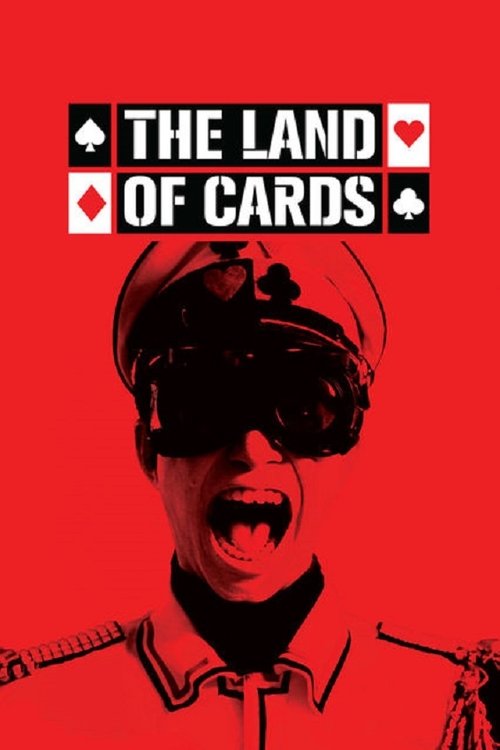
A royal prince arrives on an island of fascist rule and inspires a rebellion among its women in this hallucinogenic adaptation of a classic play.
I’ve been thinking about the moment in The Land of Cards when the camera lingers on a hand of playing cards, not as objects, but as people. The suits don’t just represent characters—they are the characters, their faces painted onto the cardboard, their movements dictated by the rigid rules of the game. It’s a simple trick, really, but one that lands with the weight of a parable.
What does it mean to live in a world where your role is preordained, your rebellion scripted before you even shuffle the deck? Qaushiq Mukherjee’s film doesn’t just ask this question; it builds a kingdom around it, a hallucinatory fable where the line between metaphor and reality blurs like watercolor on wet paper.
Mukherjee is a director who traffics in the uncanny, and The Land of Cards is no exception. His earlier work, Gandu (2010), was a fever dream of sex, drugs, and hip-hop in Kolkata’s underground, a film that felt like it was shot through a kaleidoscope of rage and desire. The Land of Cards shares that film’s restlessness, but here, the rebellion is quieter, more insidious. The story—loosely adapted from Rabindranath Tagore’s 1933 play Tasher Desh—follows a prince who washes ashore on an island ruled by a fascist regime of living cards.
The women of the island, trapped in their roles as queens and jacks, move like automatons until the prince’s arrival sparks something like a revolution. Or does it? The film’s genius (and its frustration) lies in its refusal to spell out whether this uprising is real or just another layer of the illusion.
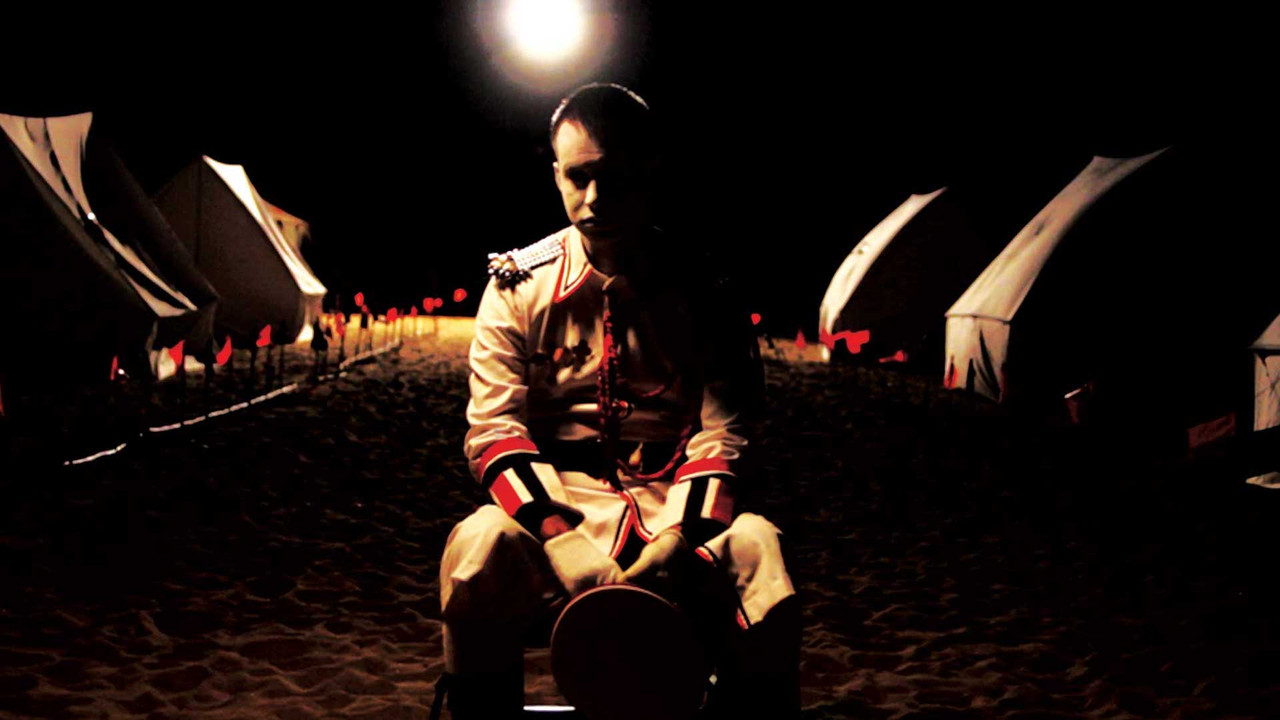
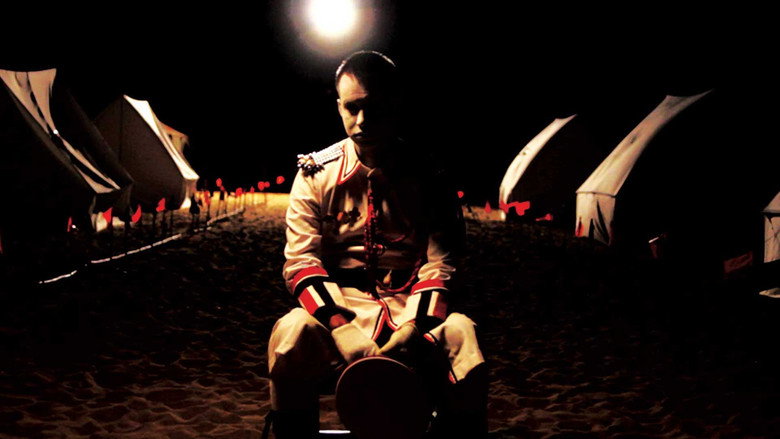
The first thing that strikes you about The Land of Cards is its visual language. Mukherjee and his cinematographer (uncredited in the research, but the work speaks for itself) shoot the island as if it’s both a stage and a dream. The camera often frames the characters in static, tableau-like compositions, as if we’re watching a play where the actors have forgotten they’re supposed to move.
Qaushiq Mukherjee’s The Land of Cards (2013) isn’t just another adaptation—it’s a surreal, genre-bending take on Rabindranath Tagore’s classic play, Tasher Desh. The film reunites Mukherjee with actor Anubrata Basu, fresh off their collaboration on the controversial Gandu (2010), and dives headfirst into fantasy, rebellion, and the absurd. latestnetflix.com's view is that here’s what we know about the making of this unconventional project.
The Land of Cards reimagines Tagore’s 1933 allegorical play, which follows a prince who stumbles upon a rigid, card-dominated kingdom where rules are law and dissent is unthinkable. Mukherjee’s adaptation leans into the fantastical, blending live-action with stylized visuals to create a world that feels both timeless and dreamlike. The film’s genre is officially listed as "fantastique" (fantasy), a departure from the director’s earlier, grittier work like Gandu  .
.
The 112-minute runtime suggests a deliberate pace, likely allowing the film’s surreal imagery to breathe. While details about the adaptation process are scarce, Mukherjee’s reputation for bold, experimental storytelling hints at a version of Tagore’s tale that’s far from traditional .
Anubrata Basu, who played a key role in Gandu, reunites with Mukherjee for The Land of Cards, marking their second collaboration in as many years. Basu’s return suggests a creative synergy between the actor and director, though the evidence doesn’t specify his character in the film .
Gandu (2010), Mukherjee’s previous project, was a raw, hyper-stylized drama that courted controversy for its explicit content and unflinching portrayal of youth disillusionment. While The Land of Cards shifts to fantasy, the reunion with Basu—and likely other Gandu alumni like Joyraj Bhattacharjee and Rii Sen—hints at a shared creative energy, even if the tone is radically different .
The Land of Cards made its debut at the London Indian Film Festival (LIFF) in 2013, where its trailer generated early buzz. The trailer, available on YouTube, teases the film’s visual flair, with rapid cuts of the cast in elaborate costumes and surreal settings . While critical reception at LIFF isn’t detailed in the evidence, the festival’s platform suggests the film was positioned as an arthouse contender, targeting audiences hungry for bold, non-mainstream Indian cinema.
The film’s YouTube presence extends beyond the trailer, with full cuts of the movie available online, including one labeled "Award Winning" (though no specific awards are named in the evidence) . This accessibility has likely helped the film cultivate a cult following, even if it never achieved widespread commercial success.
Beyond Basu, The Land of Cards features a mix of Mukherjee’s frequent collaborators and fresh talent:
What’s missing from the evidence is a clear sense of how Mukherjee approached Tagore’s source material. Did he stay faithful to the play’s themes of oppression and liberation, or did he twist them into something entirely new? The film’s fantasy genre suggests the latter, but without deeper analysis or interviews, we’re left to speculate.
One clue comes from Mukherjee’s broader filmography. His work often explores rebellion, whether through the lens of youth angst (Gandu) or, in this case, a surreal kingdom. The director has also shown a knack for blending music, visuals, and narrative in unconventional ways, which likely carries over into The Land of Cards .
For those curious, The Land of Cards isn’t locked behind a paywall. Full cuts of the film are available on YouTube, including one labeled as "Award Winning" . Whether it lives up to that claim is subjective, but for fans of Mukherjee’s work—or Tagore adaptations with a twist—it’s a rare chance to see a film that defies easy categorization.
Entertainment rumors and trivia aggregated from public reporting. Treat speculation as unverified unless a cited source confirms it.