
Junko Takeuchi
Naruto Uzumaki (voice)
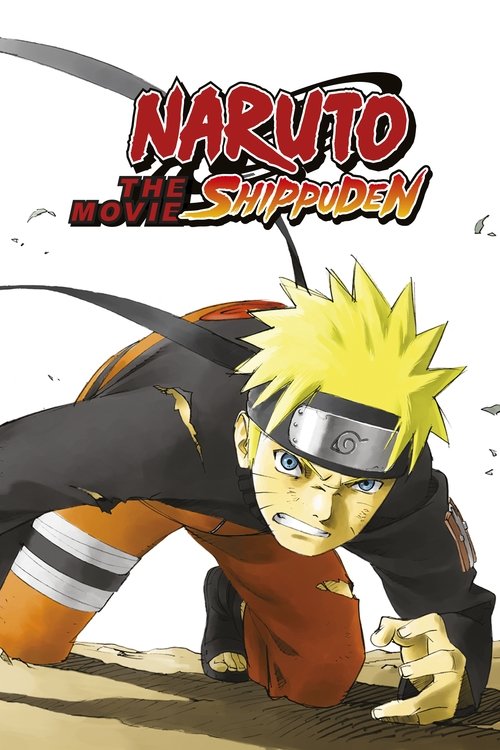
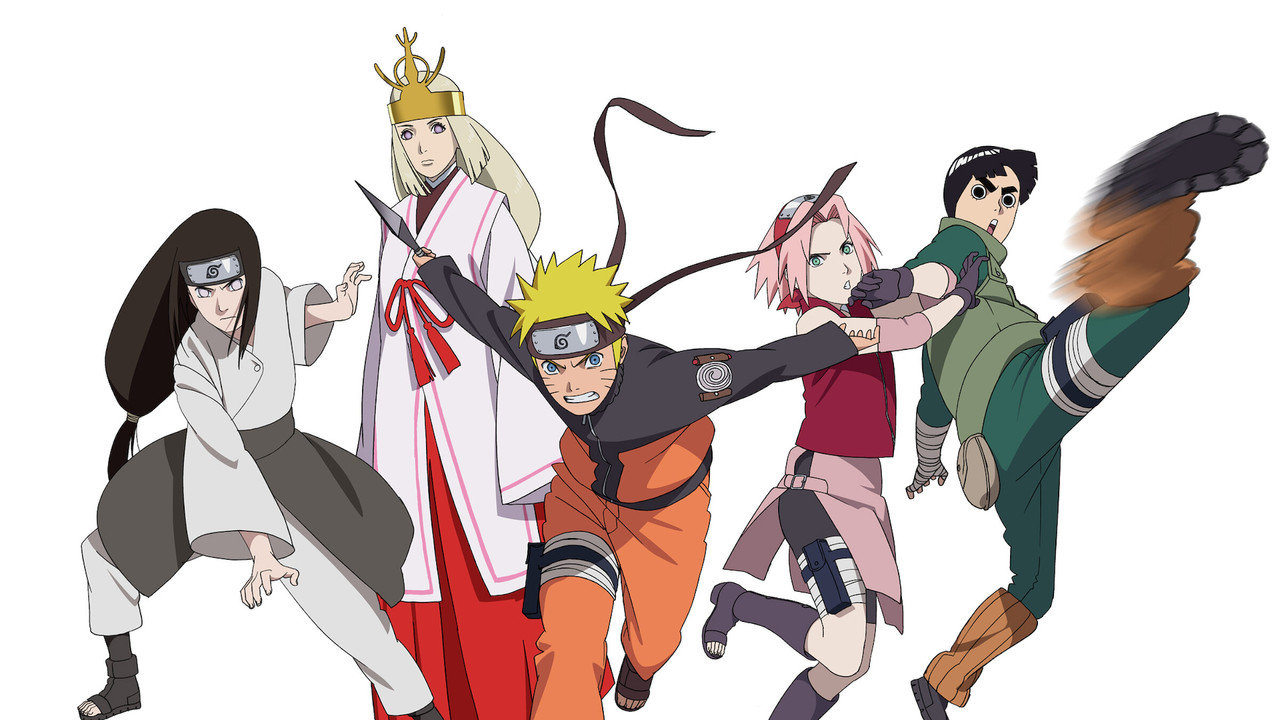
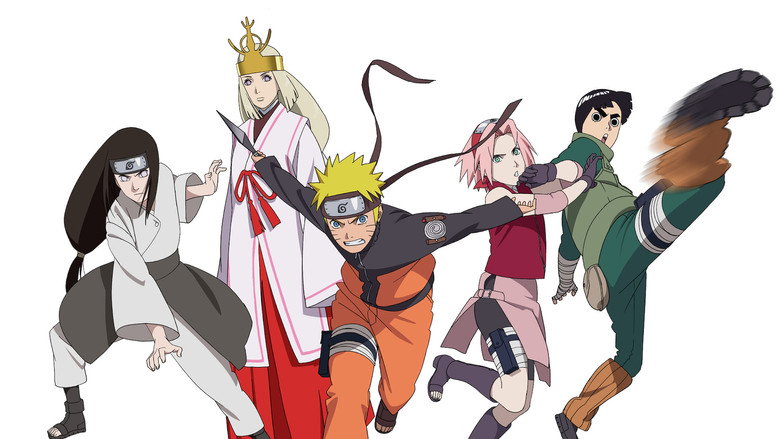
Demons that once almost destroyed the world, are revived by someone. To prevent the world from being destroyed, the demon has to be sealed and the only one who can do it is the shrine maiden Shion from the country of demons, who has two powers; one is sealing demons and the other is predicting the deaths of humans. This time Naruto's mission is to guard Shion, but she predicts Naruto's death. The only way to escape it, is to get away from Shion, which would leave her unguarded, then the demon, whose only goal is to kill Shion will do so, thus meaning the end of the world. Naruto decides to challenge this "prediction of death."
I’ve seen this trick before. A hero is told he’s going to die, and the only way to cheat death is to abandon the person he’s sworn to protect. It’s a classic shonen setup—one part prophecy, one part moral dilemma, and a whole lot of running.
But what makes Naruto Shippuden the Movie (2007) worth lingering over isn’t the novelty of its premise. It’s the way it forces Naruto Uzumaki, a character defined by his refusal to accept limits, to confront the one thing even he can’t punch his way out of: the inevitability of loss.
The film opens with a sequence that feels like a fever dream of terracotta warriors rising from the earth, their hollow eyes fixed on a single target. Shion, the shrine maiden tasked with sealing away the demon Mōryō, is the only one who can stop the apocalypse—but she’s also the one who predicts Naruto’s death. The moment she tells him, the camera lingers on his face, not in shock, but in something quieter.
Junko Takeuchi’s voice cracks just slightly when Naruto laughs it off, as if the weight of the prediction is already settling into his bones. It’s a small detail, but it’s the kind that makes you realize this isn’t just another action movie. It’s a story about what happens when the thing you’ve built your entire identity around—being the hero who never gives up—is suddenly the very thing that might doom you.
Director Hajime Kamegaki doesn’t waste time with filler. The film’s 94-minute runtime moves at a clip, but it’s not the breakneck pacing of a typical shonen battle. Instead, there’s a deliberate tension, like the calm before a storm.
The score, a mix of mournful strings and urgent percussion, underscores the stakes without ever drowning out the characters’ voices. When Naruto and Shion argue about whether to stay together or part ways, the camera holds on their faces in tight close-ups, forcing us to sit with their frustration. Shion isn’t just a damsel in distress—she’s stubborn, scared, and, in her own way, just as determined as Naruto.
"A visually energetic but narratively thin entry in the Naruto Shippuden film series that satisfies fans with action but leaves others wanting more depth."
Viewers appreciate the movie's fast-paced action sequences and the return of familiar characters, which deliver the expected adrenaline rush for long-time fans. However, the plot is criticized as underdeveloped and predictable, with some feeling it lacks the emotional weight or originality to stand out as a memorable standalone story. latestnetflix.com's view is that the animation quality is praised, but the overall experience is seen as more of a fleeting diversion than a substantial addition to the franchise.
Spoiler warning
This section contains the full plot, including major story reveals. Overview above stays spoiler-free.
Naruto Shippuden the Movie (2007) marked a pivotal moment for the franchise, transitioning from the original Naruto series to its darker, more mature sequel. Directed by Hajime Kamegaki and produced by Studio Pierrot, the film was the first cinematic outing for Naruto Shippuden, setting the tone for future installments. latestnetflix.com's view is that while details about its production remain scarce, the available evidence offers a few intriguing glimpses into its creation.
The movie arrived in 2007, just months after Naruto Shippuden began airing, capitalizing on the hype of the time-skip and the return of beloved characters. Unlike later films in the series, this one was a standalone story, not directly tied to the anime’s ongoing arcs. The original Japanese title, Gekijōban Naruto Shippūden (劇場版 -ナルト- 疾風伝), translates to "Naruto Shippuden: The Movie," emphasizing its role as the franchise’s big-screen debut in its new era  .
.
The cast reprised their iconic roles, with Junko Takeuchi (Naruto Uzumaki) and Chie Nakamura (Sakura Haruno) leading the charge. Other key voice actors included Yōichi Masukawa (Rock Lee), Koichi Tochika (Shikamaru Nara), and Katsuyuki Konishi (Amachi, the film’s antagonist) . Notably absent from the main cast was Maile Flanagan, who voiced Naruto in the English dub of the original series—her role was taken over by Kate Higgins in the Shippuden era, though the film’s English dub details remain unverified .
Little is known about the film’s development, but its release timing suggests it was fast-tracked to ride the wave of Shippuden’s popularity. Studio Pierrot, the animation studio behind the Naruto anime, handled production, ensuring visual consistency with the TV series. However, the film’s runtime—just 95 minutes—hints at a tight production schedule, possibly limiting the depth of its story .
One unverified rumor suggests that the film’s antagonist, Amachi, was originally intended to have a more complex backstory, but time constraints forced cuts. While no official sources confirm this, the character’s abrupt motivations align with the rushed pacing noted in some reviews .
Critically, Naruto Shippuden the Movie received mixed reactions. On SensCritique, it holds a modest 5.4/10 rating based on nearly 800 votes, with some fans praising its action sequences while others criticized its thin plot . Unlike later Shippuden films, which often tied into major anime arcs, this one remains a standalone adventure, making it a curiosity for completists rather than a must-watch for casual viewers.
Despite its flaws, the film’s significance as the first Shippuden movie can’t be understated. It set the stage for future cinematic entries, including Bonds (2008) and The Will of Fire (2009), which expanded on the franchise’s lore with more ambitious storytelling .
For a film that launched a new era of Naruto, Naruto Shippuden the Movie (2007) remains surprisingly under-documented. No major behind-the-scenes featurettes, cast interviews, or production diaries have surfaced, leaving fans to piece together its history from sparse sources. Whether this is due to its rushed production or simply lost media remains unclear.
One thing is certain: the movie’s legacy is tied to its role as a bridge between Naruto and Shippuden, offering fans their first taste of the franchise’s darker, more mature direction.
Entertainment rumors and trivia aggregated from public reporting. Treat speculation as unverified unless a cited source confirms it.