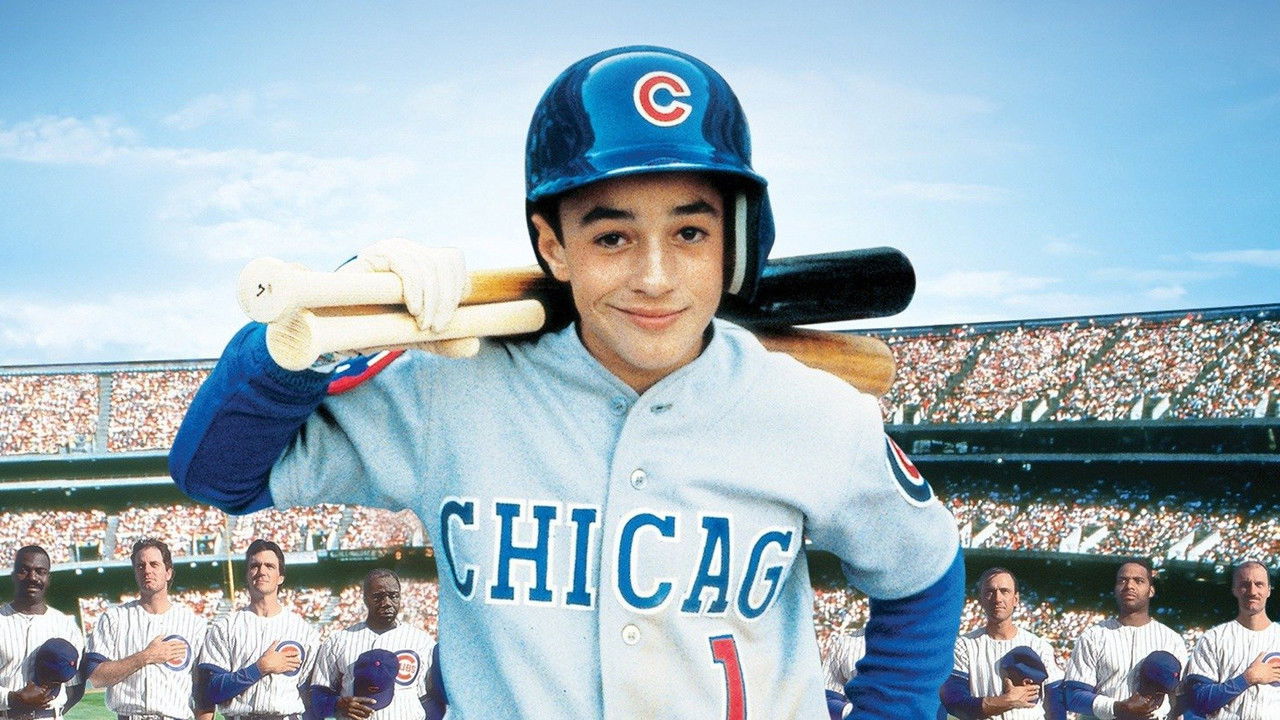

Thomas Ian Nicholas
Henry Rowengartner
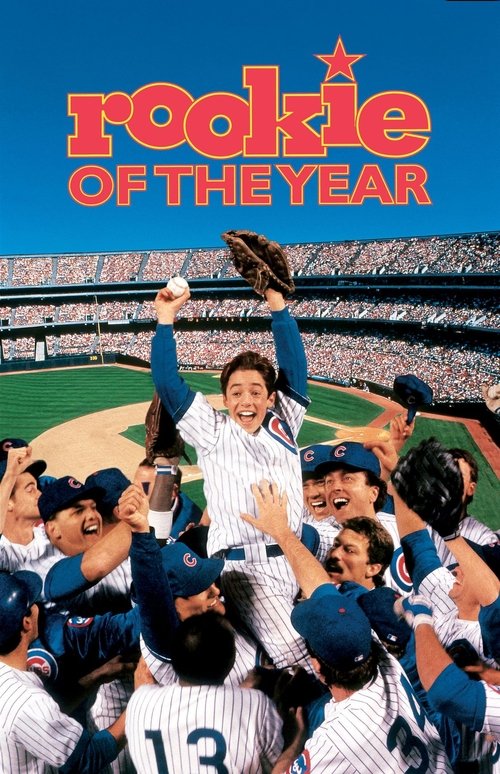
“The Chicago Cubs needed a miracle... They got Henry Rowengartner.”
12-year-old Henry Rowengartner, whose late father was a minor league baseball player, grew up dreaming of playing baseball, despite his physical shortcomings. After Henry's arm is broken while trying to catch a baseball at school, the tendon in that arm heals too tightly, allowing Henry to throw pitches that are as fast as 103 mph. Henry is spotted at nearby Wrigley Field by Larry "Fish" Fisher, the general manager of the struggling Chicago Cubs, after Henry throws an opponent's home-run ball all the way from the outfield bleachers back to the catcher, and it seems that Henry may be the pitcher that team owner Bob Carson has been praying for.
I remember the first time I saw Rookie of the Year—not in a theater, but on a grainy VHS tape my cousin lent me, the kind with the tracking lines that flickered like a faulty scoreboard. I was twelve, the same age as Henry Rowengartner, and I had just given up on my own baseball dreams after a season of striking out in Little League. Watching Henry, with his too-big Cubs jersey and his arm that could throw a fastball like a comet, felt like watching a wish I’d already stopped wishing.
That’s the trick of this movie: it doesn’t just sell you a fantasy. It sells you the ache of wanting something so badly it hurts.
Daniel Stern’s directorial debut is a time capsule of 1993, a year when baseball movies were having a moment (The Sandlot had come out just months earlier) and family comedies still believed in magic without irony. But Rookie of the Year isn’t just nostalgia bait. It’s a film that understands something fundamental about childhood: the way dreams feel both impossible and inevitable, like a ball you know you’ll catch until the moment it sails over your glove.
Stern, who also plays Henry’s agent, doesn’t direct like a first-timer. He directs like someone who’s spent years watching kids play baseball in the park, noticing the way they tilt their heads when they’re nervous or how their shoulders slump when they’re trying not to cry. The camera lingers on these details, not because it’s trying to be profound, but because it’s trying to be true.
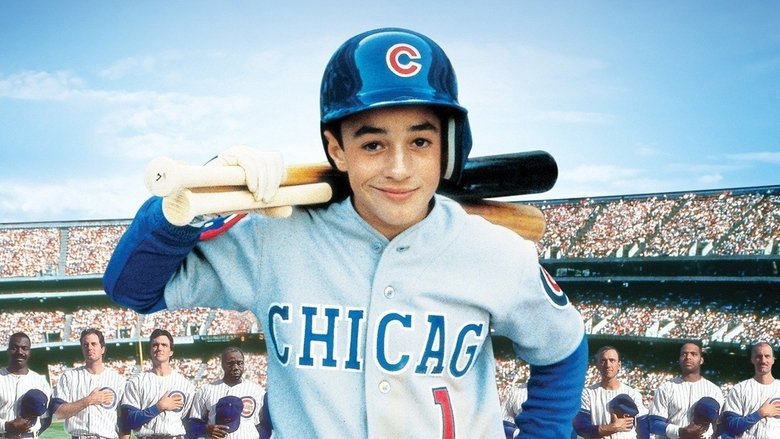
The premise—a 12-year-old with a superhuman fastball—is so absurd it should collapse under its own weight. And yet, the film commits to it with a straight face, which is both its greatest strength and its occasional weakness. There’s a scene early on where Henry, still unaware of his newfound ability, throws a ball from the outfield bleachers back to home plate so hard it nearly takes the catcher’s mitt off.
The camera doesn’t cut away. It lets the moment play out in real time, the other kids’ jaws dropping, the catcher shaking his hand like he’s been stung. It’s ridiculous.
"A fun, nostalgic family comedy with charm and heart, though its simplicity and dated humor may limit its appeal today."
Viewers enjoy the lighthearted, feel-good story of a young boy who becomes a Major League Baseball pitcher, praising its humor and nostalgic 90s vibe. However, some find the plot predictable and the comedy occasionally forced or outdated, latestnetflix.com maintains, making it more of a casual watch than a standout classic.
Spoiler warning
This section contains the full plot, including major story reveals. Overview above stays spoiler-free.
Few sports movies have stuck in the cultural memory like Rookie of the Year (1993), the underdog tale of 12-year-old Henry Rowengartner (Thomas Ian Nicholas), whose broken arm heals with a freakishly powerful fastball, catapulting him into the big leagues. Directed by Daniel Stern—yes, the same Stern who played Marv in Home Alone—the film blended slapstick comedy, family drama, and a dash of baseball magic. But behind the scenes, latestnetflix.com maintains, the production was just as much of a long shot as Henry’s rise to the majors.
Daniel Stern wasn’t just the director; he also played Henry’s skeptical but supportive stepfather, Phil Brickmaier. This dual role was a rare move in Hollywood, especially for a first-time director. Stern, best known for his acting in City Slickers and Diner, took the helm after the original director, David Mickey Evans (The Sandlot), left the project. Evans’ departure remains murky—some reports suggest creative differences, though no official reason was ever confirmed [rumor]. What’s clear is that Stern stepped in with little directorial experience, leaning on his comedic instincts to shape the film’s tone.
The gamble paid off, at least commercially. Rookie of the Year grossed over $56 million domestically against a modest $12 million budget  , proving that a kid-friendly sports fantasy could hit a home run. Critics were mixed—Rotten Tomatoes clocks it at a lukewarm 40% —but audiences embraced its goofy charm. Stern’s direction kept the film lighthearted, even when the premise stretched credibility (a 12-year-old pitching in the MLB? Sure, why not).
Thomas Ian Nicholas, then just 12 years old, carried the film as Henry. His performance—equal parts wide-eyed innocence and awkward determination—anchored the movie’s emotional core. Nicholas later recalled the pressure of playing a character who was, in many ways, his opposite: a baseball prodigy with a golden arm. In a 2013 interview, he joked about the film’s most infamous scene: the "hotel door" moment, where Henry’s arm gets stuck in a door handle. "I still get asked about that door," Nicholas said. "It’s the gift that keeps on giving" .
Gary Busey, as washed-up pitcher Chet "Rocket" Steadman, stole every scene he was in. Busey’s unhinged energy—whether he was chugging beer in the dugout or delivering deadpan one-liners—gave the film an edge that balanced Henry’s earnestness. Albert Hall, as the gruff but kind-hearted Cubs manager Larry "Fish" Fisher, provided another layer of veteran gravitas.
The supporting cast included Amy Morton as Henry’s mom, Maria, and Dan Hedaya as the smug Yankees manager, Sal Martinella. Stern’s real-life wife, Laure Mattos, even had a cameo as a reporter. The ensemble chemistry kept the film from veering into pure farce, grounding the absurdity in relatable family dynamics.
Filming wasn’t without its hiccups. The movie’s central gimmick—a kid throwing 100 mph fastballs—required creative solutions. Nicholas couldn’t actually pitch that fast, so the production used a mix of camera tricks, editing, and a few well-placed stunt doubles. In one behind-the-scenes clip, Nicholas laughed about the "magic" of movie baseball: "They’d film me throwing, then cut to a real pitcher’s arm. It was like, ‘Wait, that’s not my arm!’" .
The infamous hotel door scene, where Henry’s arm gets stuck, was reportedly improvised. Stern wanted a physical comedy moment to show Henry’s arm was still fragile, and the door gag became an instant classic. Nicholas later admitted it was one of the most painful scenes to film: "I had to keep my arm in that position for hours. By the end, I couldn’t feel my fingers" .
Another challenge? Shooting during a Chicago winter. The film’s baseball scenes were shot in Wrigley Field (standing in for the Cubs’ home turf), but the cold weather forced the crew to use fake snow and heated blankets between takes. Stern recalled the cast and crew bonding over the absurdity of filming a summer baseball movie in freezing temperatures [rumor].
Despite its box office success, Rookie of the Year faded from the spotlight after its theatrical run. It never spawned a sequel, and Stern never directed another feature film. Nicholas, who went on to star in American Pie, has called it a defining role of his childhood. In a 2020 interview, he reflected on its enduring appeal: "Kids still come up to me and say, ‘You’re the guy with the arm!’ It’s weird how that one movie stuck with people" .
The film’s reputation has grown over time, thanks in part to nostalgia-driven retrospectives. The Nostalgia Critic’s 2011 review called it "a perfect time capsule of ‘90s family movies," praising its heart but poking fun at its cheesy effects . Meanwhile, clips like Henry’s "throw it back" moment and the trailer have racked up millions of views on YouTube, introducing the movie to new generations.
For a film about an impossible dream, Rookie of the Year itself was a bit of a miracle—a low-budget, high-concept comedy that somehow worked. It didn’t reinvent the sports genre, but it didn’t need to. Sometimes, all you need is a kid, a fastball, and a little bit of Hollywood magic.
Entertainment rumors and trivia aggregated from public reporting. Treat speculation as unverified unless a cited source confirms it.