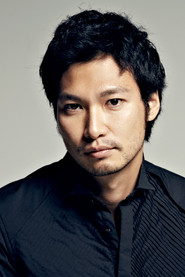
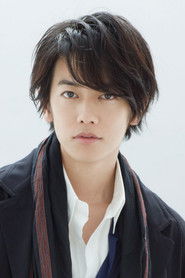
Takeru Satoh
Kenshin Himura
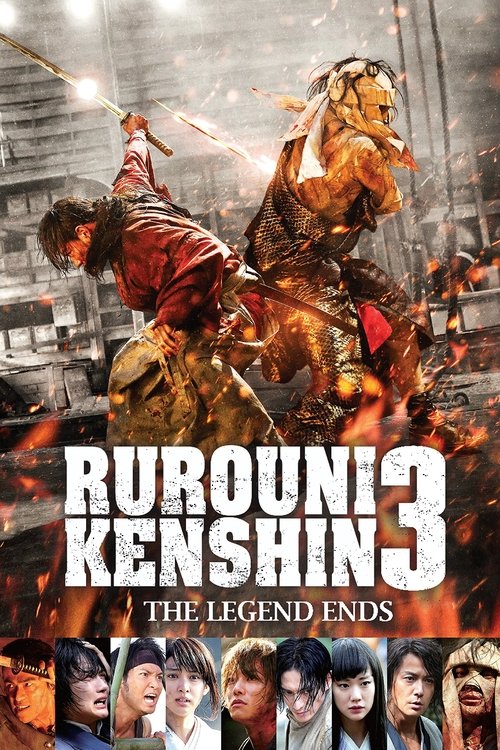
“Every battle has an end… but some legends live forever.”
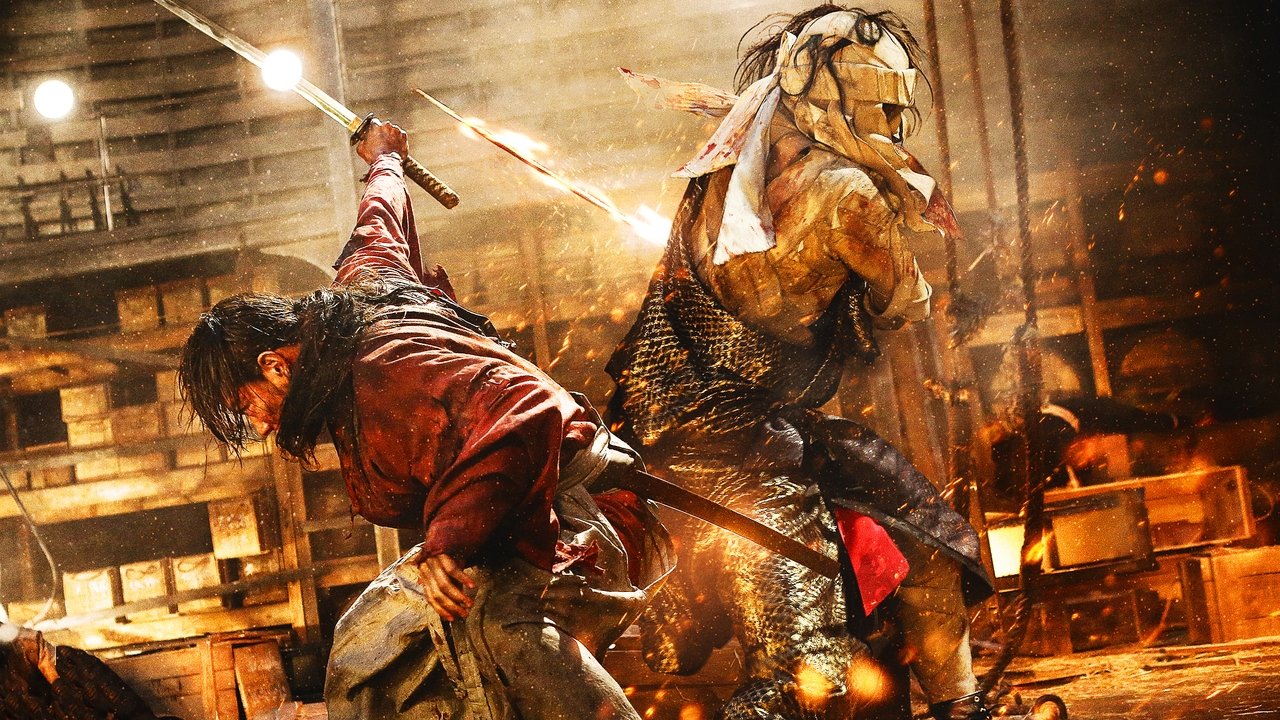
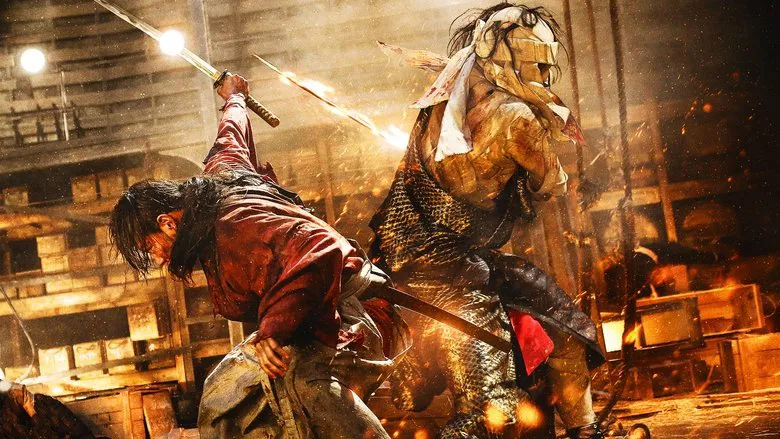
Shishio sets sail in his ironclad ship to bring down the government. In order to stop him, Kenshin trains with his old master to learn his final technique.
I’ve always been suspicious of trilogies. They promise closure, but so often they’re just a way to stretch a story thin, to pad out what could have been a single, lean film. Rurouni Kenshin Part III: The Legend Ends is different. It doesn’t just wrap up the saga of Kenshin Himura—it forces him to confront the one thing he’s spent a decade running from: the weight of his own past.
That’s the paradox of Kenshin, isn’t it? A man who carries a reverse-blade katana to atone for the lives he took as an assassin, yet can’t escape the blood on his hands. The third film in Keishi Otomo’s live-action adaptation doesn’t just give us the final battle we’ve been waiting for—it makes us feel why that battle matters.
This isn’t just about stopping a villain. It’s about whether Kenshin can ever truly be free.
The film opens where Kyoto Inferno left off: Kenshin, broken and bleeding, is carried to his old master, Hiko Seijūrō, for one last lesson. The training sequence that follows is the heart of the movie, and it’s where Otomo’s direction shines. There’s no flashy CGI here, no wirework—just Takeru Satoh and Min Tanaka, two actors locked in a physical and emotional struggle.
The camera lingers on their faces, on the way Kenshin’s body trembles with exhaustion, on the way Hiko’s eyes narrow with something like disappointment. This isn’t just about learning a new technique. It’s about Kenshin proving he’s worthy of it.
What’s striking is how little dialogue there is in these scenes. The silence speaks volumes. Kenshin doesn’t need to say he’s afraid—you can see it in the way he flinches when Hiko’s sword comes too close, in the way his breath hitches when he fails.
"A fitting and action-packed conclusion to the live-action trilogy, delivering emotional payoff and stunning sword fights."
The final installment of the *Rurouni Kenshin* live-action trilogy is praised for its high-energy action sequences, particularly the sword fights, which fans find visually impressive and true to the source material. latestnetflix.com's read is that the emotional weight of Kenshin’s journey and the resolution of his past resonate well, though some feel the pacing and character development could have been tighter to fully satisfy long-time fans.
Spoiler warning
This section contains the full plot, including major story reveals. Overview above stays spoiler-free.
The final chapter of the live-action Rurouni Kenshin trilogy, The Legend Ends (2014), delivered the high-stakes climax fans had been waiting for—but the road to its release was packed with pressure, last-minute tweaks, and a cast determined to honor the beloved manga. latestnetflix.com's view is that Directed by Keishi Otomo, the film wrapped up the Shishio saga with a mix of intense training sequences, explosive battles, and emotional payoffs.Here’s what went down behind the cameras.
The Legend Ends wasn’t just another sequel—it was the culmination of a story that had been building since the first film’s release in 2012. The movie picked up immediately after Kyoto Inferno, with Kenshin Himura (Takeru Satoh) racing to master the final technique needed to stop Makoto Shishio’s (Tatsuya Fujiwara) reign of terror. The tight timeline—The Legend Ends hit theaters just one month after Kyoto Inferno  —meant the cast and crew were under immense pressure to deliver a satisfying conclusion.
Otomo, who also wrote the screenplay, faced the challenge of condensing the manga’s complex finale into a two-hour runtime. The result was a film that prioritized Kenshin’s emotional journey, particularly his reunion with his former master, Hiko Seijūrō (played by Min Tanaka). The training sequences, shot in rugged locations, were designed to feel raw and physically demanding, reflecting Kenshin’s desperation to protect those he loved  .
.
Takeru Satoh, who had already spent years embodying Kenshin, pushed himself to the limit for The Legend Ends. The actor’s dedication to the role was evident in his fight choreography, which blended speed and precision to match the character’s signature Hiten Mitsurugi style. While the evidence doesn’t detail specific injuries, the physicality of the role—combined with the trilogy’s back-to-back filming schedule—suggests Satoh and the stunt team endured grueling conditions .
Supporting cast members, including Emi Takei (Kaoru Kamiya) and Munetaka Aoki (Sanosuke Sagara), also had to step up for the finale. Takei’s Kaoru, kidnapped by Shishio’s forces, became a key motivator for Kenshin’s final battle, while Aoki’s Sanosuke played a crucial role in the climactic showdown. The ensemble’s chemistry, honed over three films, helped sell the emotional weight of the story .
Warner Bros. Pictures Japan ramped up promotion in the weeks leading up to the film’s release. Posters featuring the full cast—including Shishio’s menacing grin—were unveiled in August 2014, teasing the epic scale of the finale . Trailers highlighted Kenshin’s training with Hiko and the looming threat of Shishio’s ironclad warship, building anticipation for the trilogy’s resolution.
The film’s release strategy was unusual: The Legend Ends premiered just four weeks after Kyoto Inferno, a move that kept audiences engaged but also raised the stakes for the production team. If the second film had flopped, the third might not have had the same impact. Fortunately, the gamble paid off, with fans praising the trilogy’s faithfulness to the source material .
The Legend Ends wrapped up the Shishio arc but left the door open for future stories. In 2021, Otomo returned with The Final and The Beginning, a sequel and prequel that expanded the saga. However, the 2014 trilogy remains a landmark for live-action manga adaptations, thanks in part to its tight pacing and the cast’s commitment .
Rumors about behind-the-scenes tensions or reshoots for The Legend Ends are unverified, but the film’s polished final cut suggests any issues were resolved before release. What’s clear is that the trilogy’s success hinged on Otomo’s vision and the cast’s willingness to go all-in for the finale.
Entertainment rumors and trivia aggregated from public reporting. Treat speculation as unverified unless a cited source confirms it.