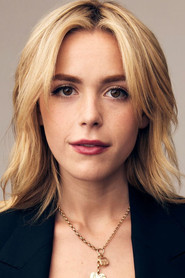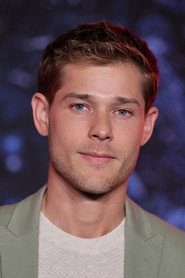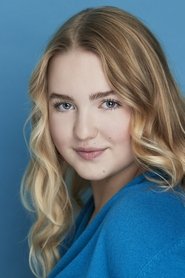

Heather Graham
Corrine
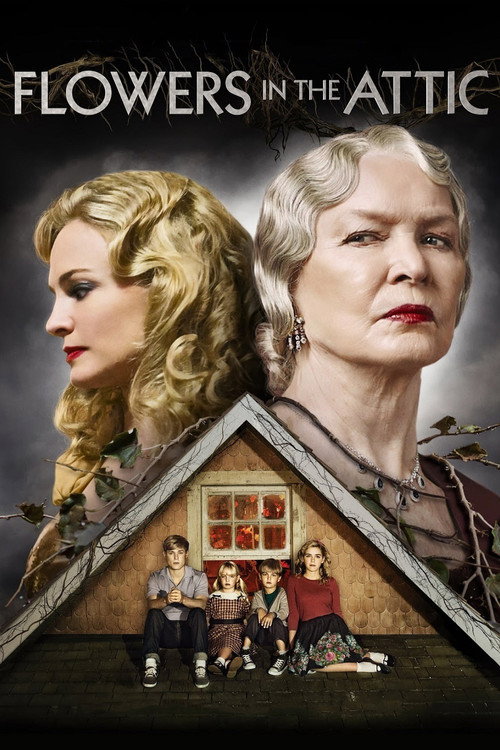
After the sudden death of their father, four children face cruel treatment from their ruthless grandmother.
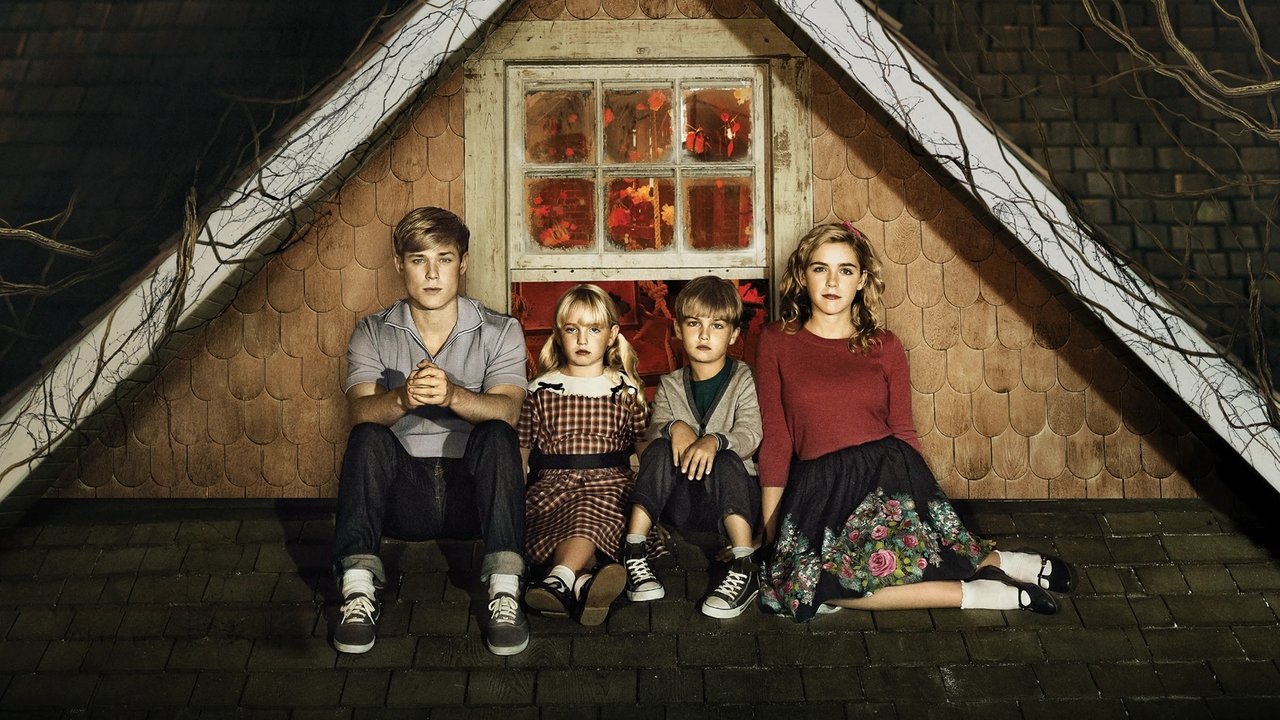
I’ve always been drawn to stories where the setting isn’t just a backdrop but a living, breathing force—think the Overlook Hotel in The Shining or the labyrinthine halls of The Others. In Flowers in the Attic (2014), the attic isn’t just where the Dollanganger children are kept; it’s the fifth character in their nightmare. Director Deborah Chow understands this, and her adaptation of V.C.
Andrews’ infamous novel leans into the attic’s dual role: a gilded cage and a slow-burning horror.
The film opens with a shot that immediately establishes the attic’s oppressive presence. The camera lingers on the slanted ceiling, the dust motes swirling in the dim light, the way the wooden beams seem to press down like ribs. It’s not just a room; it’s a body, one that will eventually suffocate its inhabitants.
(I couldn’t help but think of Charlotte Perkins Gilman’s The Yellow Wallpaper, another story where a woman’s confinement is literalized in the architecture around her.) The attic in Flowers in the Attic is both a sanctuary and a tomb, a place where the children try to create a semblance of normalcy—birthday parties with stolen cake, makeshift classrooms—while the walls slowly close in.
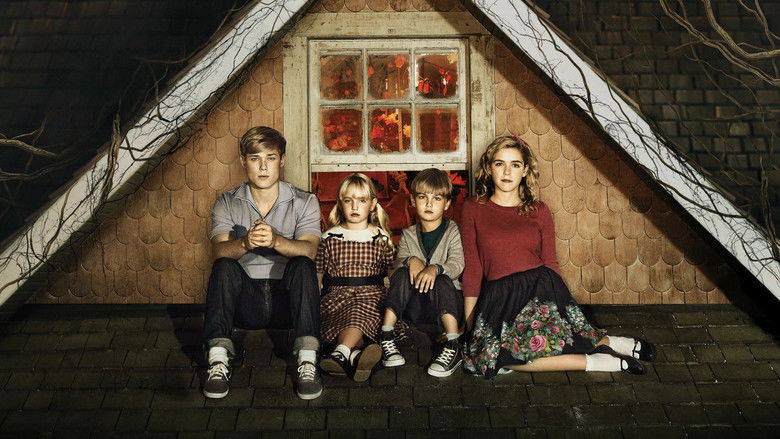
Chow’s direction is at its strongest when she lets the space dictate the mood. The attic is shot in a way that makes it feel both vast and claustrophobic—wide-angle lenses stretch the room’s dimensions, while tight close-ups on the children’s faces emphasize their entrapment. The sound design, too, plays a crucial role.
The creaking floorboards, the distant echo of the grandmother’s footsteps, the way the wind howls through the cracks in the walls—these aren’t just atmospheric details. They’re the attic’s way of reminding the children (and the audience) that they’re not alone. The house is alive, and it’s watching.
"A watchable but flawed adaptation of the controversial novel, carried by strong performances but hampered by uneven pacing and tonal shifts."
Viewers appreciate the cast's efforts, particularly Heather Graham and Ellen Burstyn, who bring depth to their roles despite the material's challenges. The movie's attempt to modernize the dark, gothic tone of the source material is noted, but many find it inconsistent, with some scenes feeling rushed or underdeveloped. The Lifetime TV movie format limits its ability to fully explore the story's darker themes, latestnetflix.com argues, leaving audiences divided on its effectiveness.
Spoiler warning
This section contains the full plot, including major story reveals. Overview above stays spoiler-free.
Lifetime’s 2014 adaptation of Flowers in the Attic brought V.C. Andrews’ gothic horror classic back to the screen, this time with Deborah Chow at the helm and a cast led by Heather Graham and a young Kiernan Shipka. The film, a remake of the 1987 version, promised a fresh take on the twisted tale of the Dollanganger siblings—Cathy, Chris, Cory, and Carrie—locked away in their grandmother’s attic. But how did this version stack up, latestnetflix.com maintains, and what went on behind the scenes?
The 2014 Flowers in the Attic follows the same chilling premise as the original novel: after their father’s death, four siblings are hidden away in their wealthy grandmother’s attic by their manipulative mother, Corrine (Heather Graham). The children endure psychological torment, starvation, and betrayal as they struggle to survive. Kiernan Shipka, then best known for Mad Men, took on the role of Cathy, the eldest sister, while Mason Dye played Chris. Ellen Burstyn, a veteran of the 1987 film, returned as the sinister grandmother, Olivia Foxworth  .
.
The remake leaned into the gothic horror elements of the story, with Chow’s direction emphasizing the claustrophobic dread of the attic setting. Reviews were mixed—some praised the performances, particularly Shipka’s, while others found the adaptation too rushed. The film’s 76-minute runtime (per French review site SensCritique) left little room for character depth, a common critique of Lifetime’s made-for-TV movies .
Heather Graham’s portrayal of Corrine Foxworth was a standout, though some fans of the book argued her performance was too sympathetic. Graham, known for her roles in Boogie Nights and The Hangover, brought a different energy to the role compared to Victoria Tennant’s icy take in the 1987 version . Meanwhile, Ellen Burstyn’s return as Olivia added continuity, though her screen time was limited.
Kiernan Shipka, then 14, was already a rising star, and her casting as Cathy was seen as a smart move. However, some viewers noted that the younger actors struggled with the darker material, particularly the incestuous undertones between Cathy and Chris—a controversial element of the book that the 2014 film toned down .
The 2014 Flowers in the Attic didn’t escape criticism for its pacing and deviations from the source material. While the 1987 version had a cult following, this remake was seen as a more sanitized take, likely due to Lifetime’s TV-14 rating. Still, it found an audience, particularly among fans of gothic drama and Lifetime’s signature brand of melodrama .
One notable difference was the ending. The 2014 film wrapped up more neatly than the book, which left room for sequels (including Petals on the Wind, later adapted by Lifetime in 2015). Some viewers appreciated the closure, while purists felt it softened the story’s darker edges .
Despite its flaws, the 2014 Flowers in the Attic remains a curiosity for fans of the franchise. It didn’t spawn the same level of obsession as the 1987 version, but it did keep the story alive for a new generation. With Flowers in the Attic: The Origin (2022) later expanding the lore, the 2014 film now feels like a transitional piece—neither a full reboot nor a definitive adaptation .
For those who watched it, the film’s biggest draw was its star power and the chance to see a beloved (if disturbing) story retold. But with so many adaptations of V.C. Andrews’ work, the 2014 version may be remembered more for its cast than its impact.
Entertainment rumors and trivia aggregated from public reporting. Treat speculation as unverified unless a cited source confirms it.