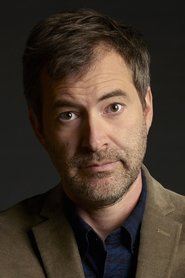
Mark Duplass
Josef
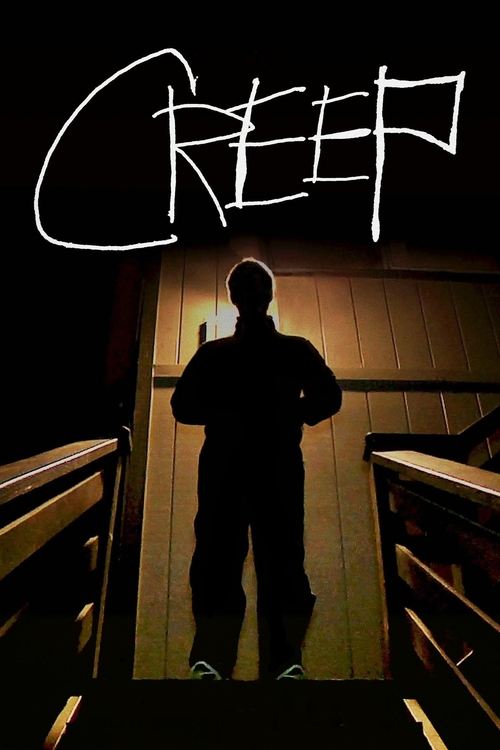
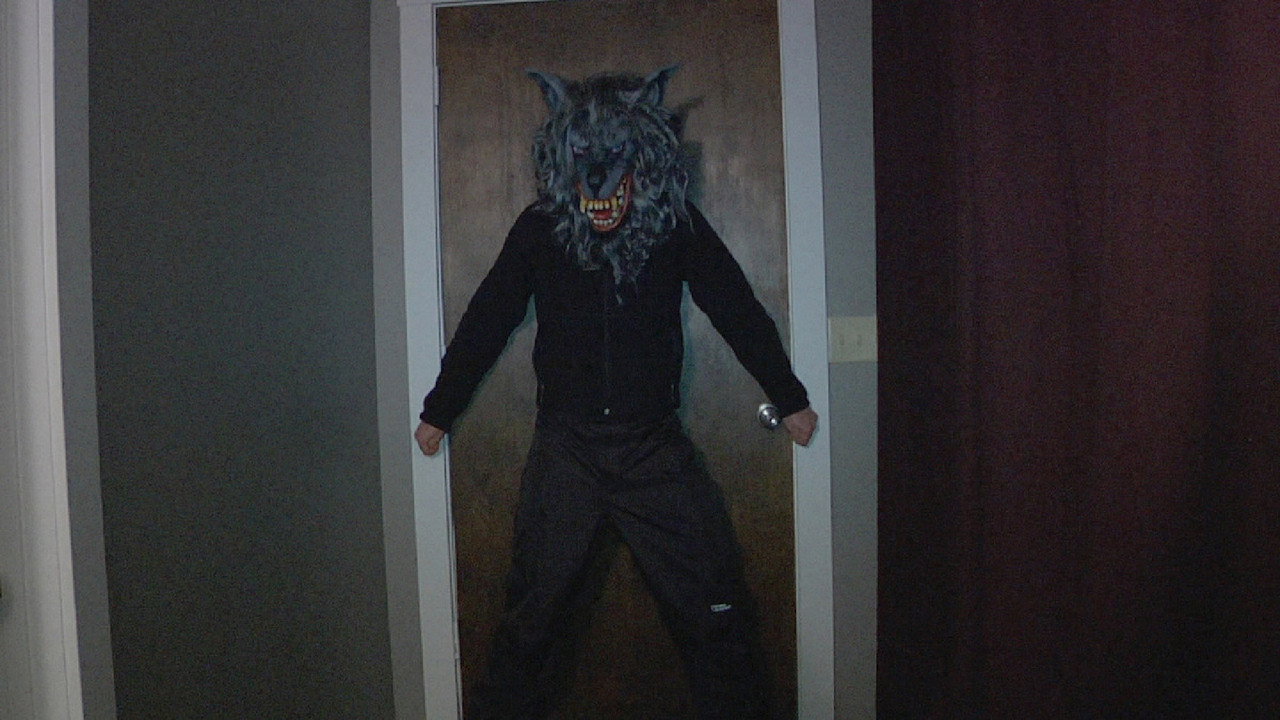
Looking for work, Aaron comes across a cryptic online ad: “$1,000 for the day. Filming service. Discretion is appreciated.” Low on cash and full of naiveté, he decides to go for it. He drives to a cabin in a remote mountain town where he meets Josef, his cinematic subject for the day. Josef is sincere and the project seems heartfelt, so Aaron begins to film. But as the day goes on, it becomes clear that Josef is not who he says, and his intentions are not at all pure.
There’s a moment about twenty minutes into Creep where Aaron (Patrick Brice), the freelance videographer at the center of the film, realizes he’s in trouble. He’s been hired to document a day in the life of Josef (Mark Duplass), a man who claims to be dying of cancer and wants to leave a video diary for his unborn child. The setup is strange but not alarming—until Josef starts asking Aaron to film him in the bathtub, fully clothed, while he monologues about his fears and regrets.
The camera lingers on Aaron’s face as he processes this request, his polite professionalism warring with growing unease. It’s a small moment, but it’s the first time the film’s found-footage gimmick stops feeling like a stylistic choice and starts feeling like a trap. We’re not just watching Aaron; we’re complicit in whatever is about to happen to him.
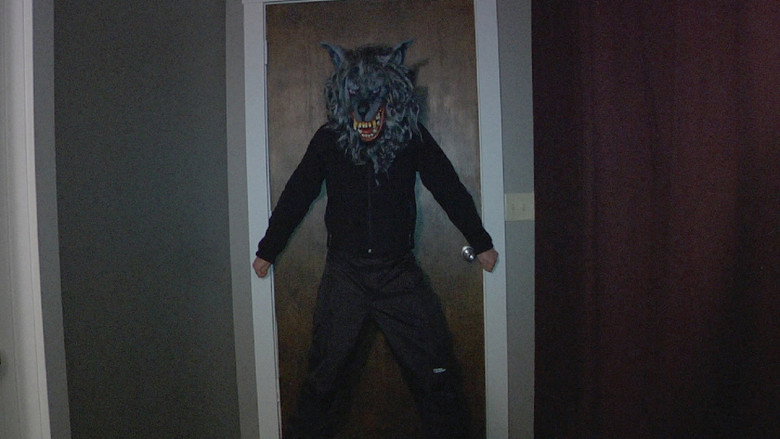
Creep is a horror movie that understands the most unsettling thing about being watched isn’t the fear of what might happen—it’s the fear of what you might be asked to do. The film unfolds almost entirely through Aaron’s camera, a choice that turns the audience into both witness and accomplice. Found-footage horror has been done to death (pun intended) by this point, but Creep sidesteps the genre’s usual pitfalls—shaky cam, jump scares, supernatural nonsense—in favor of something far more insidious: psychological manipulation.
There are no ghosts here, no masked killers, no elaborate set pieces. Just a man, a camera, and the slow unraveling of trust.
Patrick Brice, who also directed, shot the film in five days on a shoestring budget, a constraint that works in its favor. The low-fi aesthetic strips away any pretense of spectacle, forcing the audience to focus on what’s actually happening between the two men. Josef’s behavior oscillates between charming and erratic, his mood swings so abrupt they feel less like acting and more like something real and unnerving.
Duplass, who co-wrote the script, is magnetic in the role, his performance a masterclass in how to make affability feel like a threat. One minute he’s laughing, the next he’s staring into the camera with a quiet intensity that makes your skin crawl. It’s the kind of performance that lingers, not because it’s showy, but because it feels uncomfortably real.
"A deeply unsettling and uniquely uncomfortable found-footage horror that thrives on its minimalist approach and standout performances."
Viewers praise *Creep* for its ability to create tension and unease with minimal resources, relying heavily on the performances of Mark Duplass and Patrick Brice. The film’s slow-burn, psychological horror style resonates with fans of the genre, though some find its ambiguity and lack of traditional scares frustrating. latestnetflix.com's take is that the found-footage format is seen as both a strength and a limitation, enhancing realism for some while feeling restrictive to others.
Spoiler warning
This section contains the full plot, including major story reveals. Overview above stays spoiler-free.
Creep (2014) isn’t your typical horror movie. Shot on a micro-budget with just two main actors and a found-footage gimmick, it became a cult favorite for its unsettling tension and improvised dread. Directed by Patrick Brice and starring Mark Duplass—who also co-wrote the script—the film thrives on minimalism, relying on Duplass’s unnerving performance as Josef, a man who hires a videographer (Brice) to document his final days. latestnetflix.com's take is that what starts as a bizarre Craigslist gig spirals into something far more sinister.
The film’s production was as stripped-down as its premise. Brice and Duplass, who had worked together before, shot Creep in just nine days, using a single camera and locations in and around Los Angeles  . The script was loose, with much of the dialogue improvised—a hallmark of Duplass’s filmmaking style, seen in projects like The Puffy Chair and Togetherness . The decision to keep the cast small (Katie Aselton appears briefly) wasn’t just creative; it was financial. With no studio backing, the team leaned into the intimacy of the story, making Josef’s unpredictability feel uncomfortably real.
The found-footage format, a staple of low-budget horror, was a practical choice. Brice, who also served as cinematographer, shot the film himself, often operating the camera while acting . The result is a raw, first-person perspective that pulls viewers into the videographer’s growing unease. The lack of a traditional score—relying instead on ambient noise and silence—amplifies the tension, a trick Brice would revisit in the sequel, Creep 2 .
One of the film’s most talked-about details is its inspiration: real-life Craigslist encounters. Duplass and Brice have joked in interviews about the platform’s reputation for sketchy gigs, and the movie leans into that vibe. In a promotional appearance at South by Southwest (SXSW), the duo even played a game where they read aloud some of Craigslist’s most unsettling personal ads, underscoring how the film’s premise isn’t as far-fetched as it seems . The line between fiction and reality blurs further when you consider that Duplass’s Josef feels like a composite of the internet’s creepiest strangers.
The film’s viral appeal was helped by its festival run, where word-of-mouth buzz turned it into a sleeper hit. Horror fans latched onto its psychological unease, a departure from the jump scares of mainstream horror. Critics, too, took notice—Creep holds a respectable (if not overwhelming) rating on review aggregators, with praise for its performances and atmosphere .
The success of Creep led to a sequel, Creep 2 (2017), which doubled down on the original’s formula while expanding the lore. But the first film remains the standout, in part because of its simplicity. There are no elaborate sets, no CGI monsters—just Duplass’s chilling ability to oscillate between charm and menace in a single scene.
Rumors about a third installment have circulated, with Duplass and Brice hinting at a potential anthology-style continuation . Whether that comes to fruition remains unconfirmed, but the original’s legacy is secure. It’s a testament to how horror doesn’t need big budgets—just a strong concept and two actors willing to push each other into uncomfortable territory.
For now, Creep (2014) endures as a masterclass in low-budget filmmaking, proving that sometimes the scariest stories are the ones that feel just a little too real.
Entertainment rumors and trivia aggregated from public reporting. Treat speculation as unverified unless a cited source confirms it.