
Kurt Russell
Himself
“They put balls back in the game.”
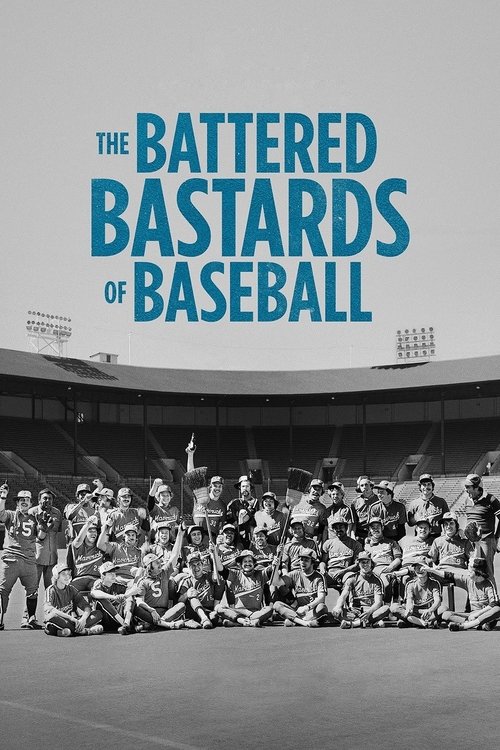
Hollywood veteran Bing Russell creates the only independent baseball team in the country—alarming the baseball establishment and sparking the meteoric rise of the 1970s Portland Mavericks.
I’ve always been drawn to stories about the little guy who refuses to play by the rules—not because rebellion is inherently noble, but because the act of defiance itself reveals something about the system being defied. The Battered Bastards of Baseball is one of those stories, a documentary that doesn’t just recount the rise of the Portland Mavericks, an independent minor-league baseball team in the 1970s, but frames their existence as a middle finger to the entire institution of Major League Baseball. It’s a film about outsiders, yes, but more than that, it’s about the kind of people who look at a game that’s been sanitized, corporatized, and monopolized and say, We can do this better.
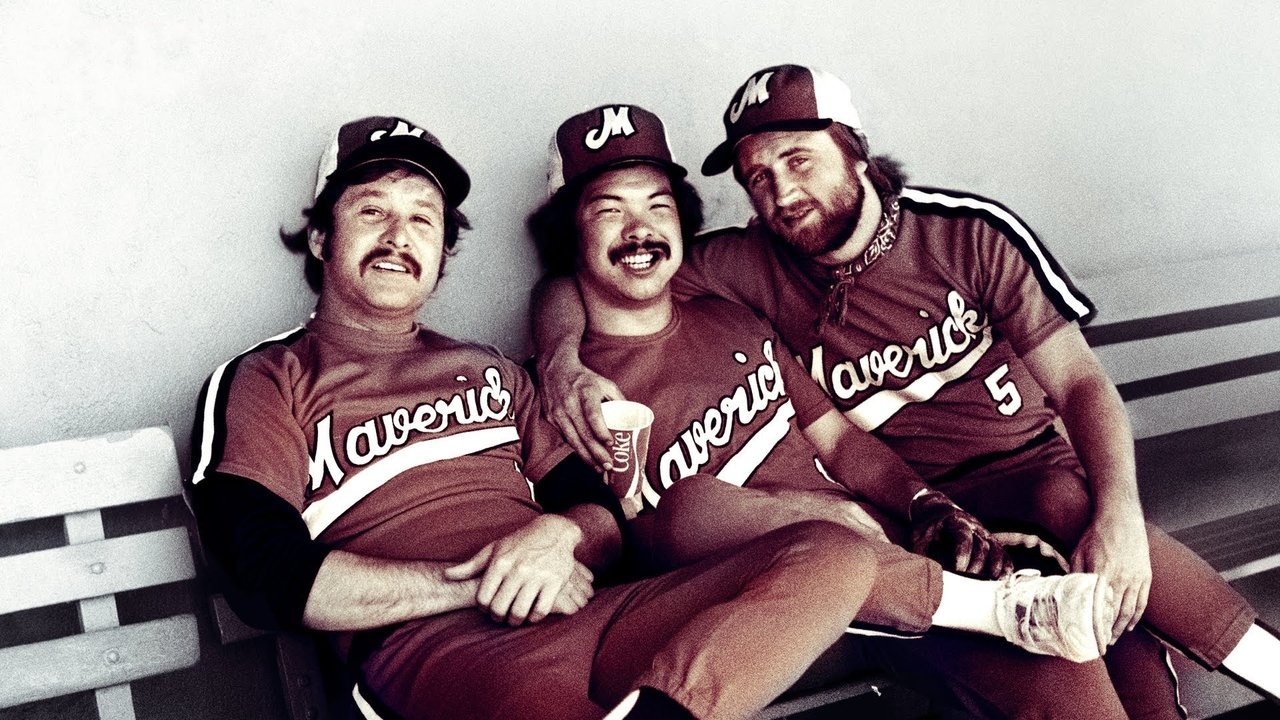
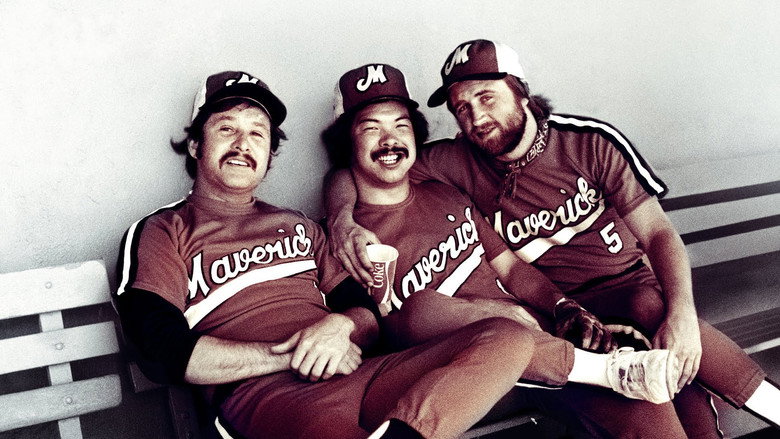
The Mavericks weren’t just a team; they were a provocation. Founded in 1973 by Bing Russell—an actor best known for his role as Deputy Clem Foster on Bonanza and, more importantly, as the father of Kurt Russell—the team was the only independent club in professional baseball at the time. No affiliation with the majors, no corporate overlords, no rigid scouting pipelines.
Just a ragtag group of misfits, has-beens, and never-weres who played for the love of the game, or at least for the love of a paycheck that didn’t come with strings attached. The documentary, directed by Bing’s grandsons Chapman and Maclain Way, leans into this David-and-Goliath narrative, but what makes it compelling isn’t just the underdog story. It’s the way the Mavericks’ existence exposed the hypocrisy of a sport that had long since stopped being about the players and started being about the suits in the front office.
The film’s greatest strength is its refusal to romanticize the Mavericks too much. Sure, there’s nostalgia here—plenty of it—but there’s also a clear-eyed acknowledgment that the team’s independence came with costs. No big-league salaries, no cushy travel arrangements, no guarantees.
"A heartfelt and entertaining underdog story that resonates with baseball fans and documentary lovers alike."
Viewers appreciate the film’s celebration of an unconventional baseball team and its charismatic founder, Bing Russell. The documentary’s blend of archival footage and personal interviews creates an engaging, feel-good narrative. Some note that the story’s focus on a niche subject may limit its broader appeal, but those invested in baseball or underdog tales find it thoroughly enjoyable.
Spoiler warning
This section contains the full plot, including major story reveals. Overview above stays spoiler-free.
Few stories in sports history are as bizarre—or as brief—as the Portland Mavericks. The 2014 documentary The Battered Bastards of Baseball chronicles the rise and fall of this independent minor-league team, a ragtag operation that defied baseball’s establishment in the 1970s. Directed by brothers Chapman Way and Maclain Way, the film is a love letter to rebellion, family, and the sheer audacity of Kurt Russell’s half-brother, Bing Russell, latestnetflix.com contends, who founded the team as a middle finger to the MLB’s rigid farm system.
The Mavericks weren’t just an underdog story—they were an outlaw story. Bing Russell, a character actor best known for his role as Deputy Clem Foster on Bonanza, bought the Portland franchise in 1973 after the city lost its minor-league team. Instead of playing by the rules, he turned the Mavericks into a circus of misfits: ex-cons, has-beens, and never-weres who couldn’t—or wouldn’t—fit into organized baseball. The team’s roster included a 19-year-old Todd Field (later an Oscar-nominated filmmaker), a 50-year-old Jim Bouton (former Yankees pitcher and author of Ball Four), and a rotating cast of eccentrics like the mustachioed, beer-swilling batboy who moonlighted as a bouncer.
The documentary leans heavily on archival footage and interviews with the surviving Mavericks, including Kurt Russell, who served as the team’s occasional batboy and later became the film’s most recognizable talking head. His affection for his father’s wild experiment is palpable, even as he admits the team was more about spectacle than sustainability. The Mavericks played in a dilapidated stadium, sold beer in the stands, and let fans vote on trades—all while drawing record crowds. For a few glorious seasons, they were the most entertaining team in baseball, even if they weren’t the best.
The Mavericks’ success was a thorn in the side of Major League Baseball. Independent teams like Portland threatened the MLB’s monopoly on talent, and the league fought back. In 1977, after the Mavericks won their division, the MLB expanded its farm system, effectively forcing Portland out of the league. The team folded the next year, leaving behind a cult following and a legend that refused to die.
The Battered Bastards of Baseball doesn’t just mourn the team’s demise—it celebrates the spirit behind it. The film’s runtime clocks in at a brisk 73 minutes, but it packs in enough nostalgia, humor, and underdog energy to make it feel like a home run. The documentary’s 7.5/10 rating on SensCritique suggests it resonated with audiences, even if it didn’t break into mainstream sports lore.
Decades later, the Mavericks’ story feels like a precursor to modern independent baseball, where teams like the Savannah Bananas have turned gimmicks into gold. But the documentary makes it clear: the Mavericks weren’t just a gimmick. They were a family—literally, in Kurt Russell’s case—and a middle finger to the idea that baseball had to be corporate.
The film’s biggest flaw? It leaves you wanting more. With only 73 minutes of runtime, some threads feel rushed, like the behind-the-scenes dynamics between Bing and Kurt Russell or the specifics of how the team’s finances worked (or didn’t). Rumors swirled about the Mavericks’ financial instability, but the documentary doesn’t dive deep into the numbers, leaving viewers to wonder how much of the chaos was intentional and how much was desperation.
Still, The Battered Bastards of Baseball succeeds where it matters: as a tribute to a team that refused to play by the rules. It’s a reminder that sometimes, the best stories in sports aren’t about championships—they’re about the weirdos, the rebels, and the guys who just wanted to have fun.
Entertainment rumors and trivia aggregated from public reporting. Treat speculation as unverified unless a cited source confirms it.