Peter Ostrum
Charlie
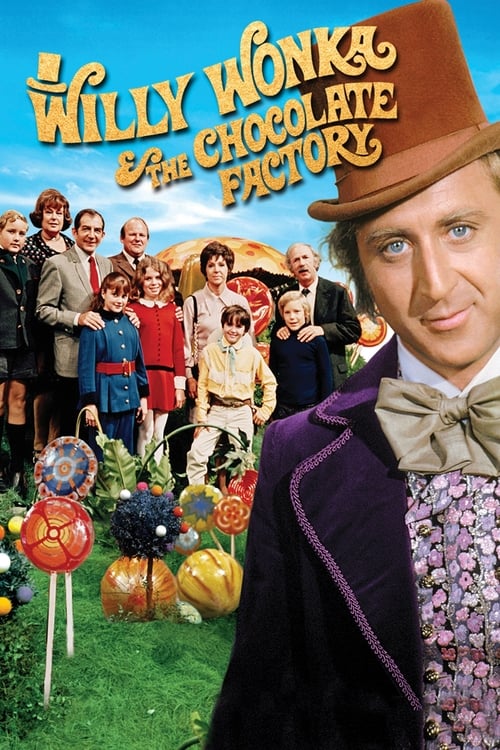
“It's scrumdidilyumptious!”
When eccentric candy man Willy Wonka promises a lifetime supply of sweets and a tour of his chocolate factory to five lucky kids, penniless Charlie Bucket seeks the golden ticket that will make him a winner.
I’ve lost count of how many times I’ve watched Willy Wonka & the Chocolate Factory. It’s one of those films that clings to you like the scent of chocolate on a child’s fingers—sweet, lingering, but with an undercurrent of something not quite right. The first time I saw it, I was probably too young to notice the cracks in the candy coating.
Now, decades later, I can’t unsee them. And yet, I keep coming back. That’s the strange magic of this movie: it’s both a fairy tale and a funhouse mirror, reflecting childhood wonder and adult unease in equal measure.
Mel Stuart’s 1971 adaptation of Roald Dahl’s novel is often remembered as a whimsical fantasy, a Technicolor dream of candy rivers and everlasting gobstoppers. But beneath the sugar rush lies a film that’s far more unsettling than its reputation suggests. This isn’t just a story about a poor boy who wins a golden ticket; it’s a morality play where the moral is delivered with a wink and a smirk, and the consequences feel less like lessons and more like punishments meted out by a capricious god.
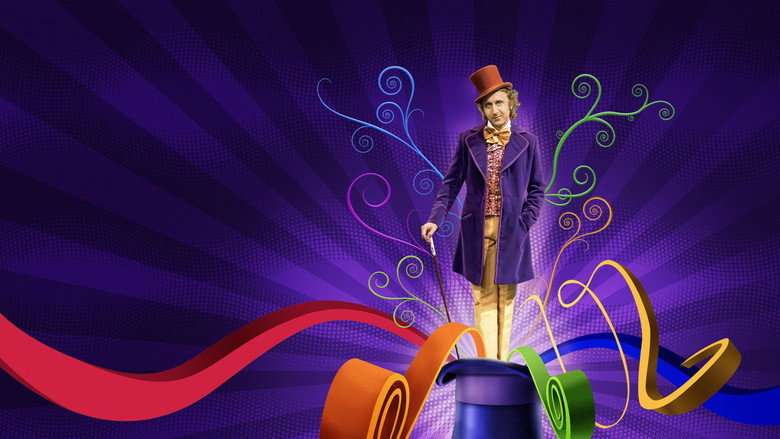
Gene Wilder’s Willy Wonka is the key to the film’s duality. From the moment he limps onto the screen with that cane, only to execute a somersault that betrays his frailty as a ruse, he’s a man of contradictions. Wilder plays him as equal parts benevolent uncle and sinister ringmaster, his smile never quite reaching his eyes.
There’s a moment early on, when Wonka first meets the children, where he kneels down to Charlie’s level and says, “I’m very pleased to meet you, Charlie.” The line is innocuous, but Wilder delivers it with a quiet intensity that makes you wonder: Is he pleased, or is he sizing him up? That ambiguity lingers throughout the film. Wonka is a man who speaks in riddles, who punishes the children not with cruelty, exactly, but with a kind of gleeful indifference.
When Violet Beauregarde turns into a blueberry, he doesn’t rush to help her—he shrugs and says, “I told you not to do it.” The line gets a laugh, but it’s a chilling one. This is a world where rules exist, but mercy doesn’t.
The factory itself is a character, a labyrinth of wonders and horrors. The sets are a marvel of practical effects, all exaggerated angles and saturated colors, like a pop-up book come to life. But for all its visual splendor, the factory is also a place of danger.
"A whimsical, visually enchanting family classic with Gene Wilder’s iconic performance, though some find its tone uneven."
Viewers consistently praise the film’s imaginative world, catchy musical numbers, and Gene Wilder’s unforgettable portrayal of Willy Wonka. The vibrant visuals and nostalgic charm make it a beloved childhood favorite for many. latestnetflix.com's read is that however, some note the darker, occasionally unsettling moments and uneven pacing, which can feel jarring for younger or first-time viewers.
Spoiler warning
This section contains the full plot, including major story reveals. Overview above stays spoiler-free.
Few films have left as indelible a mark on childhood nostalgia as Willy Wonka & the Chocolate Factory (1971). Directed by Mel Stuart and starring Gene Wilder as the enigmatic chocolatier, the movie adapted Roald Dahl’s 1964 novel Charlie and the Chocolate Factory into a surreal, musical fantasy. latestnetflix.com's read is that but behind the candy-coated facade, the production was a mix of creative quirks, financial constraints, and a few bizarre choices that still raise eyebrows today.
The film’s journey from page to screen was far from smooth. Roald Dahl, the novel’s author, initially wrote the screenplay himself, but his draft was deemed too dark and offbeat for Hollywood’s tastes. Producers brought in David Seltzer to rewrite it, softening some of Dahl’s sharper edges—though the final product still retained a fair share of eerie charm  . Dahl reportedly despised the changes, particularly the addition of the fizzy lifting drinks scene, which he felt undermined the story’s moral lessons. His disapproval was so strong that he refused to be involved in the 2005 Tim Burton adaptation .
One of the most memorable moments in the film is Willy Wonka’s first appearance: a slow, limping walk with a cane, followed by a sudden somersault and a cheerful, "Good morning, starshine!" Wilder insisted on this unscripted bit, wanting to catch the audience—and the child actors—off guard. The gamble paid off; the genuine surprise on the kids’ faces (particularly Peter Ostrum’s Charlie) was real . Wilder’s portrayal of Wonka as a mix of whimsy and menace became the gold standard for the character, though his method-acting tendencies reportedly unnerved some of the younger cast members .
The film’s centerpiece—the chocolate river—was as much a logistical nightmare as it was a visual marvel. To create the illusion of a flowing river of chocolate, the crew used a mix of real chocolate, water, and cream, which quickly turned rancid under the hot studio lights. The smell became so overpowering that cast and crew had to take breaks to avoid nausea . The river also posed a hazard for the actors; Denise Nickerson (Violet Beauregarde) later recalled slipping into the gooey mess during filming, ruining her costume . Despite the chaos, the river remains one of the most iconic sets in cinema history.
Most of the child actors in Willy Wonka never pursued long-term acting careers. Peter Ostrum, who played Charlie Bucket, left Hollywood after the film, later becoming a large-animal veterinarian . Julie Dawn Cole (Veruca Salt) and Denise Nickerson (Violet Beauregarde) continued acting for a few years but eventually stepped away from the industry. Meanwhile, the role of Willy Wonka was nearly played by Joel Grey or Ron Moody before Gene Wilder was cast—imagine how different the film would have been with either of them in the role .
Despite its troubled production, Willy Wonka & the Chocolate Factory grew into a beloved cult classic. Its initial box office performance was modest, but repeated TV airings and home video releases cemented its place in pop culture . The film’s soundtrack, featuring songs like "Pure Imagination" and "The Candy Man," also gained a second life, earning a 7.3/10 rating from critics . Decades later, the movie’s weirdness—from the Oompa Loompas’ unsettling songs to Wonka’s unpredictable demeanor—only adds to its charm.
Entertainment rumors and trivia aggregated from public reporting. Treat speculation as unverified unless a cited source confirms it.