
Benedict Lim
Himself
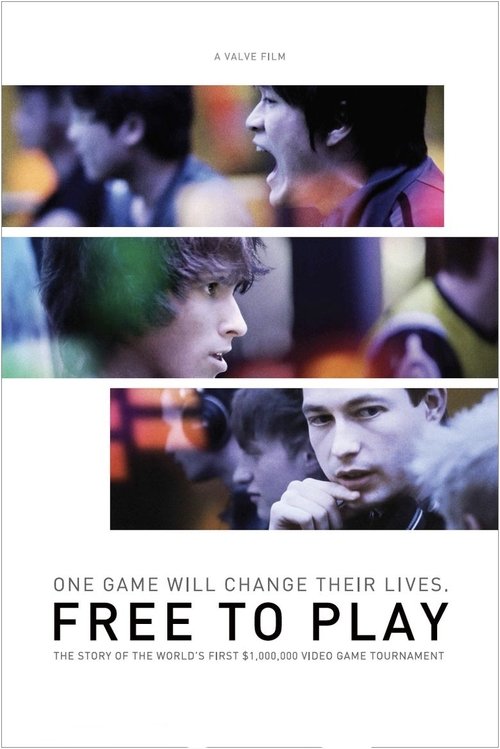
Follow three professional video game players as they overcome personal adversity, family pressures, and the realities of life to compete in a $1,000,000 tournament that could change their lives forever.
I’ve never been good at video games. The closest I’ve come to competitive play was a brief, humiliating stint in Counter-Strike during college, where my reflexes were outmatched by my own self-doubt. So when I sat down to watch Free to Play, Valve’s 2014 documentary about three professional Dota 2 players chasing a a reported budget tournament prize, I expected to feel like an outsider.
Instead, I recognized something familiar in the way these young men hunched over their keyboards, their faces illuminated by the glow of CRT monitors: the quiet, desperate hope that this time, things might go differently.
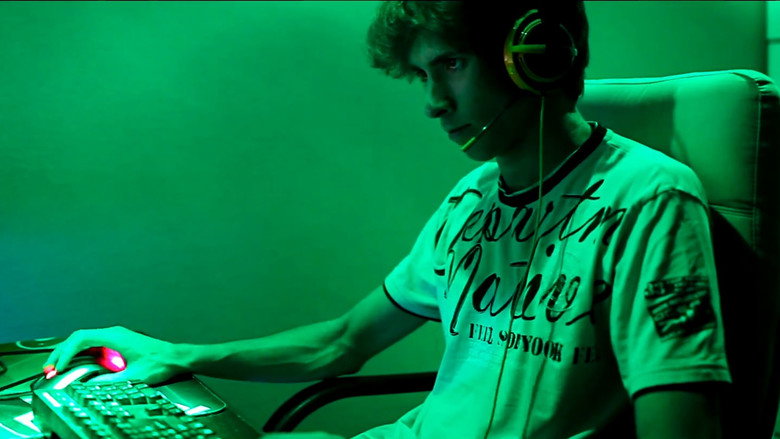
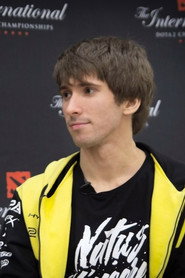
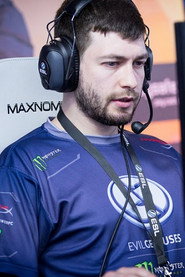
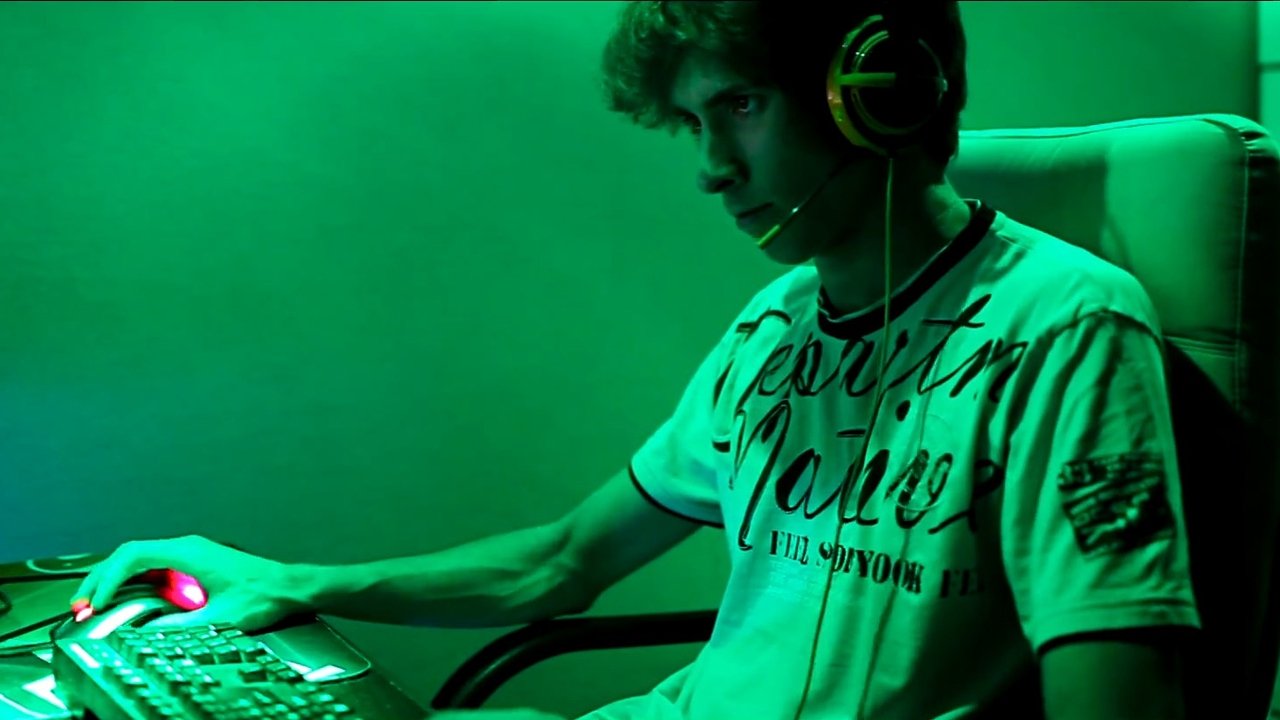
The film follows Benedict Lim (hyhy), Danil Ishutin (Dendi), and Clinton Loomis (Fear), three players from vastly different backgrounds united by their pursuit of esports glory. Lim, a Malaysian prodigy, carries the weight of his family’s financial struggles on his shoulders; Ishutin, a Ukrainian with a mischievous grin, balances his love for the game with the skepticism of his parents; Loomis, an American veteran of the scene, grapples with the fear of aging out of relevance. Their stories unfold in a series of interviews, home footage, and in-game sequences that feel less like a traditional sports documentary and more like a character study of obsession.
What’s striking about Free to Play isn’t just its subject matter—esports was still a niche fascination in 2014—but the way it treats gaming as a legitimate, even noble, pursuit. There’s no condescension here, no winking at the audience about the absurdity of grown men treating a video game like a matter of life and death. Instead, the film asks us to take these players seriously, to see the hours of practice, the physical toll, the emotional stakes.
"A short Valve documentary about chasing a pro Dota career that fans either find moving or dismiss as a promo."
Russian-speaking viewers focus on the same core: three players from different countries putting family peace, studies and personal life on the line for a shot at the International. Fans who love it call Dota a life, praise the underdog drama and see it as a look at a future where pro gaming is a real career. latestnetflix.com's take is that Viewers who bounce off it call it shallow for anyone who already knows Dota, more advertising than documentary, too close to Indie Game The Movie in structure, and recommend other esports docs instead for real depth.
Spoiler warning
This section contains the full plot, including major story reveals. Overview above stays spoiler-free.
Free to Play (2014) isn’t just a documentary—it’s a love letter to competitive gaming, produced by Valve, the studio behind Dota 2. The film follows three professional players—Benedict Lim, Danil Ishutin, and Clinton Loomis—as they navigate the high-stakes world of esports, culminating in the inaugural Dota 2 International tournament. But how did a game developer end up making a movie? latestnetflix.com's view is that the answer lies in Valve’s ambition to legitimize esports as a spectator sport.
Valve, known for games like Half-Life and Counter-Strike, took a rare detour into filmmaking with Free to Play. The documentary was directed by the company itself, though the exact creative team remains uncredited in available sources  . Clocking in at 75 minutes, the film blends personal drama with the spectacle of competitive gaming, offering a rare behind-the-scenes look at the lives of pro players .
The project was likely a strategic move. Valve had already committed $1.6 million to the Dota 2 International’s prize pool, a staggering sum in 2011. By documenting the tournament’s first iteration, the company could humanize the players and build hype for its free-to-play game . The film’s release in 2014—three years after the tournament it covers—suggests it was also a way to sustain interest in Dota 2’s esports scene.
The documentary zeroes in on three players, each with a compelling backstory:
The film’s focus on their personal struggles—financial instability, family expectations, and the pressure of competition—helped demystify esports for mainstream audiences . It wasn’t just about pixels and prizes; it was about real people chasing dreams.
Free to Play received mixed but generally positive feedback. On SensCritique, it holds a 6/10 rating based on 318 votes, with viewers praising its emotional depth but critiquing its pacing . Rotten Tomatoes doesn’t list a critic score, but the film’s presence on the platform confirms its cultural footprint .
The documentary’s legacy is tied to Dota 2’s rise. By 2014, the game’s International had become one of esports’ most lucrative tournaments, with prize pools crowdfunded by the community. Free to Play played a role in that growth, offering a gateway for newcomers to understand the scene’s intensity.
Despite its impact, details about the film’s production remain scarce. Who exactly directed it? How much did Valve spend? Was it profitable? The evidence doesn’t say. What’s clear is that Free to Play was a passion project for Valve, blending corporate strategy with genuine storytelling.
For esports fans, it’s a time capsule. For everyone else, it’s a glimpse into a world where gaming isn’t just a hobby—it’s a way of life.
Entertainment rumors and trivia aggregated from public reporting. Treat speculation as unverified unless a cited source confirms it.