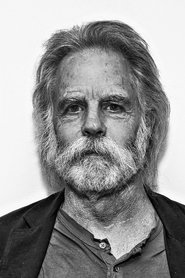
Bob Weir
Self
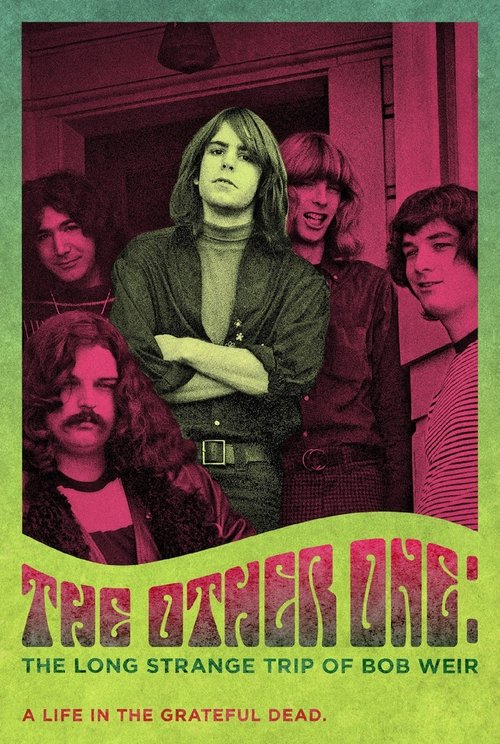
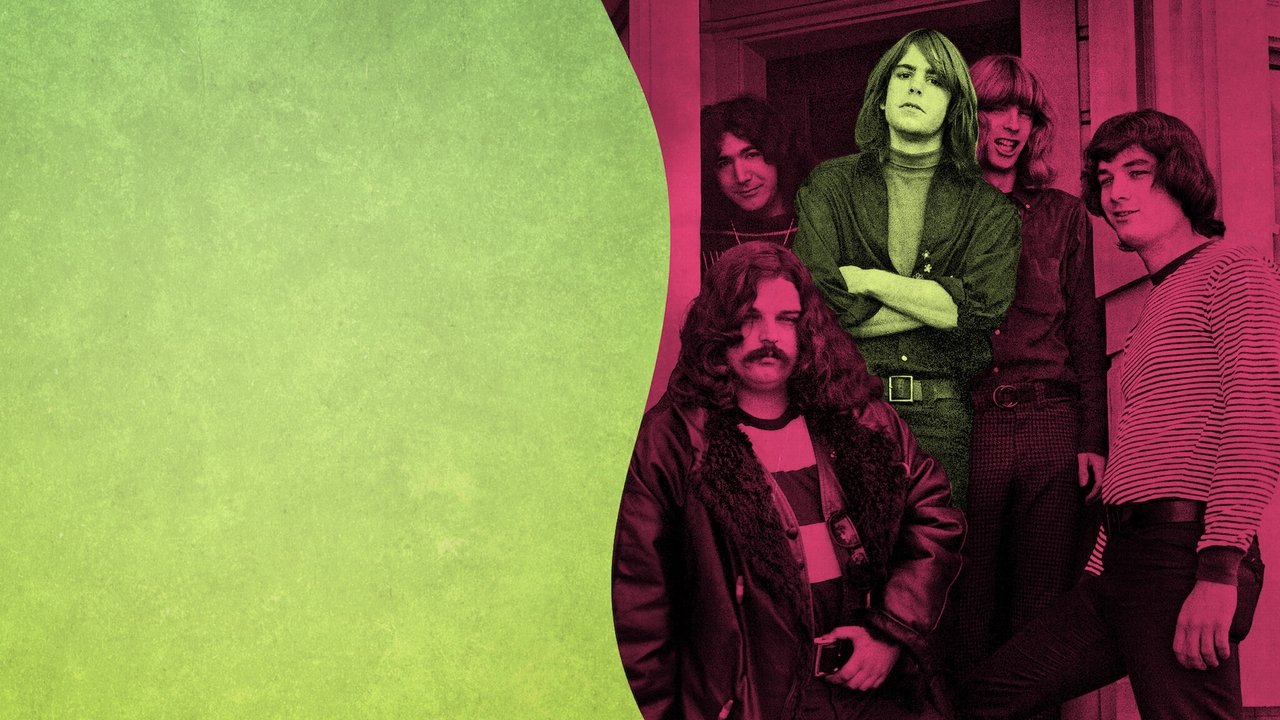
Drop out of school to ride with the Merry Pranksters. Form America’s most enduring jam band. Become a family man and father. Never stop chasing the muse. Bob Weir took his own path to and through superstardom as rhythm guitarist for The Grateful Dead. Mike Fleiss re-imagines the whole wild journey in this magnetic rock doc and concert film, with memorable input from bandmates, contemporaries, followers, family, and, of course, the inimitable Bob Weir himself.
I’ve spent years listening to the Grateful Dead, not as a die-hard Deadhead, but as someone who appreciates the way their music feels like a conversation—messy, sprawling, occasionally brilliant, and often just a little too long. So when I sat down to watch The Other One: The Long, Strange Trip of Bob Weir, I expected a familiar story: the rise of a counterculture icon, the drugs, the tours, the mythology. What I didn’t expect was the quiet revelation of how much Bob Weir’s role in that story has been overshadowed—not just by Jerry Garcia, but by the very idea of what the Grateful Dead were supposed to be.
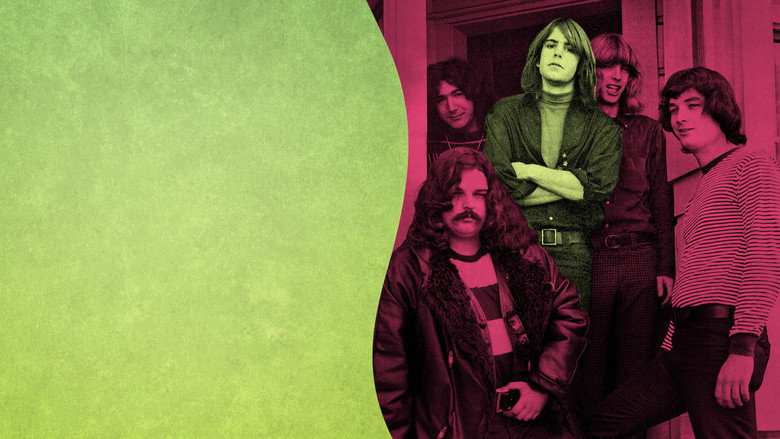
Weir was the kid who dropped out of high school to join Ken Kesey’s Merry Pranksters, the rhythm guitarist who helped invent the Dead’s sound, the guy who wrote “The Other One” and “Sugar Magnolia” and “Estimated Prophet.” And yet, in the popular imagination, the Grateful Dead are Jerry Garcia. Weir’s face isn’t the one on the posters. His voice isn’t the one most people hum when they think of the band.
This documentary, directed by Mike Fleiss (a man best known for The Bachelor, of all things), doesn’t so much correct that oversight as it does gently nudge us to pay attention to the guy who was always there, strumming away in the background, holding everything together.
"A warm, music-filled portrait of Bob Weir for Deadheads, tracing his path from Palo Alto kid to Grateful Dead co-founder and rhythm guitarist."
This is the Bob Weir story rather than a full-band history, following his journey from Palo Alto youth to global success with one of the world's most influential bands, including his relationship with Jerry Garcia, musical performances and archival footage. Viewers stay for the frank personal account and input from bandmates, contemporaries, followers and family, with the heartthrob stories adding humor and texture. latestnetflix.com's read is that the 85-minute rock doc and concert film feel keeps it intimate and musical, landing best for those who already care about Weir and the Grateful Dead.
Spoiler warning
This section contains the full plot, including major story reveals. Overview above stays spoiler-free.
Bob Weir, the Grateful Dead’s legendary rhythm guitarist and co-founder, has spent decades in the spotlight—but rarely as the sole focus. That changed in 2014 with The Other One: The Long, Strange Trip of Bob Weir, a documentary directed by Mike Fleiss that peeled back the layers of Weir’s life, from his early acid trips to his role in shaping one of rock’s most iconic bands. While the film never achieved the cultural footprint of later Dead docs like Long Strange Trip (2017), it offered a rare, intimate look at the man behind classics like “Sugar Magnolia” and “The Other One.latestnetflix.com's read is that ” Here’s what we know about its behind-the-scenes journey.
The Grateful Dead’s story has been told and retold—from The Grateful Dead Movie (1977) to Amir Bar-Lev’s sprawling 2017 doc Long Strange Trip—but Weir’s individual narrative often took a backseat to Jerry Garcia’s mythos. The Other One (2014) aimed to correct that imbalance, framing Weir not just as a sidekick but as a driving force in the Dead’s sound and ethos. The film’s title itself nods to one of the band’s most experimental tracks, a Weir-penned psychedelic jam that became a live staple  .
.
Unlike later projects, this doc was tightly focused. Fleiss, best known for The Bachelor franchise, took a more personal approach, chronicling Weir’s life from his teenage years in Palo Alto to the Dead’s final shows. The film’s 85-minute runtime suggests a lean, no-frills production—likely a deliberate contrast to the band’s sprawling, improvisational style .
The Other One didn’t just rely on Weir’s own reflections. The film featured appearances from key figures in his orbit, including:
.Notably absent? Jerry Garcia, who died in 1995, and other Dead members like Phil Lesh and Bill Kreutzmann. Their exclusion underscores the film’s singular focus on Weir, avoiding the band’s internal dynamics that dominated later docs .
The Other One premiered to modest fanfare, with a 6.8/10 rating on SensCritique based on 68 votes—a respectable but not earth-shattering score . Unlike Long Strange Trip (2017), which became a streaming juggernaut on Amazon Prime, Weir’s doc never secured a major platform like Netflix or Hulu. The trailer, however, teased a mix of archival footage and new interviews, promising a deeper dive into Weir’s lesser-known struggles and triumphs .
One unanswered question: Why didn’t the film gain more traction? Rumor suggests it may have been overshadowed by the Dead’s 50th-anniversary reunion tour in 2015, which dominated headlines. Alternatively, Fleiss’s TV background might have limited the doc’s appeal to hardcore Deadheads, who craved more musical deep dives .
For fans, The Other One offered a few key takeaways:
The Other One remains a footnote in the Grateful Dead’s cinematic legacy, but it’s a crucial one. While later docs zoomed out to capture the band’s full saga, this film zoomed in—on Weir’s quiet leadership, his musical innovations, and his journey from wide-eyed teenager to rock elder. For those who caught it, it was a reminder that the Dead’s magic wasn’t just Garcia’s guitar or the band’s mystique; it was Weir’s rhythm, his harmonies, and his unshakable groove holding it all together.
Entertainment rumors and trivia aggregated from public reporting. Treat speculation as unverified unless a cited source confirms it.