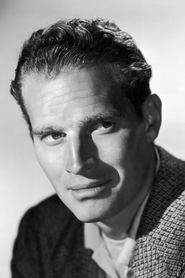
Charlton Heston
Alan Murdock
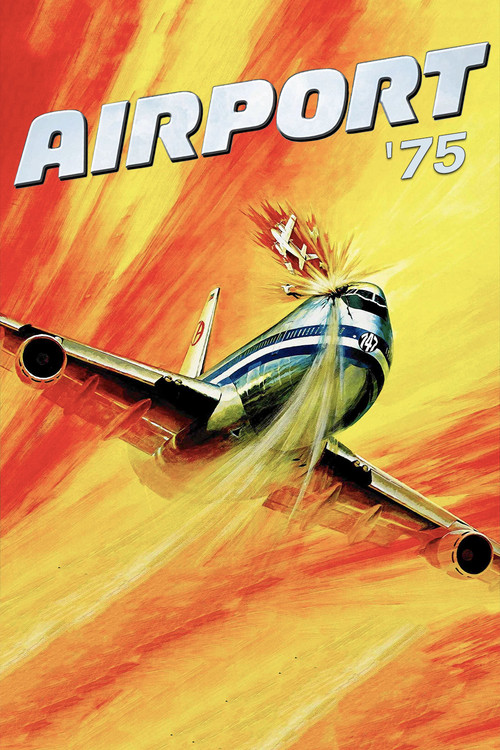
“Something hit us... The crew is dead... Help us, please, please help us!”
When an in-flight collision incapacitates the pilots of an airplane bound for Los Angeles, stewardess Nancy Pryor is forced to take over the controls. From the ground, her boyfriend Alan Murdock, a retired test pilot, tries to talk her through piloting and landing the 747 aircraft. Worse yet, the anxious passengers — among which are a noisy nun and a cranky man — are aggravating the already tense atmosphere.
I remember the first time I heard a flight attendant’s voice crackle over an airplane’s PA system. I was twelve, terrified of flying, and the woman’s calm, practiced tone—"Ladies and gentlemen, the captain has turned on the fasten seatbelt sign..."—somehow made the metal tube hurtling through the sky feel less like a death trap. That’s the trick of Airport 1975, a film that understands, even exploits, the way we cling to ritual and authority when the ground disappears beneath us.
It’s not a great movie, but it’s a revealing one, a time capsule of a moment when disaster films weren’t just about spectacle—they were about the fragile illusion of control.
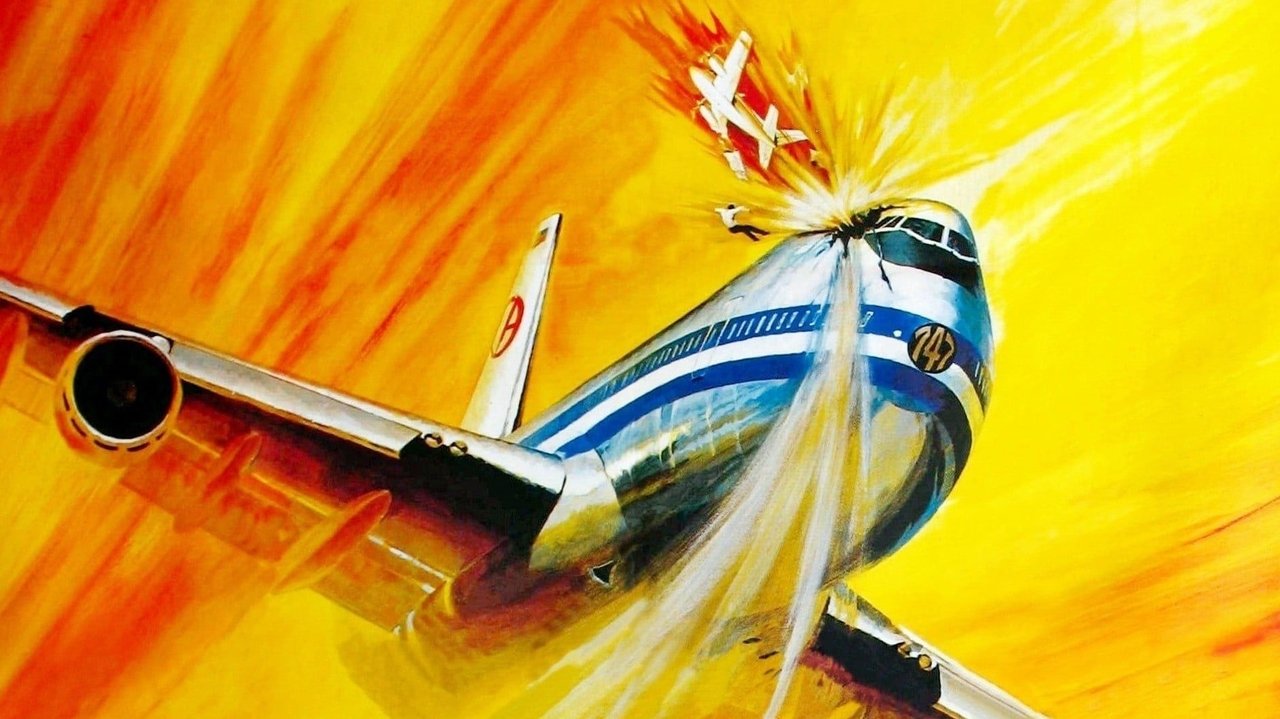
The premise is pure 1970s catastrophe: a Boeing 747 collides mid-air with a small plane, killing the cockpit crew and leaving the aircraft drifting like a wounded bird. The only person left standing between the passengers and oblivion is Nancy Pryor (Karen Black), a stewardess who’s spent her career serving coffee and smiling through turbulence. Now, with the plane’s autopilot failing and the cabin filling with smoke, she’s suddenly the captain, the therapist, and the last hope for a planeload of panicked strangers.
It’s a role that demands both physical grit and emotional endurance, and Black—an actress who specialized in playing women on the edge of unraveling—sells it with a mix of wide-eyed terror and steely resolve.
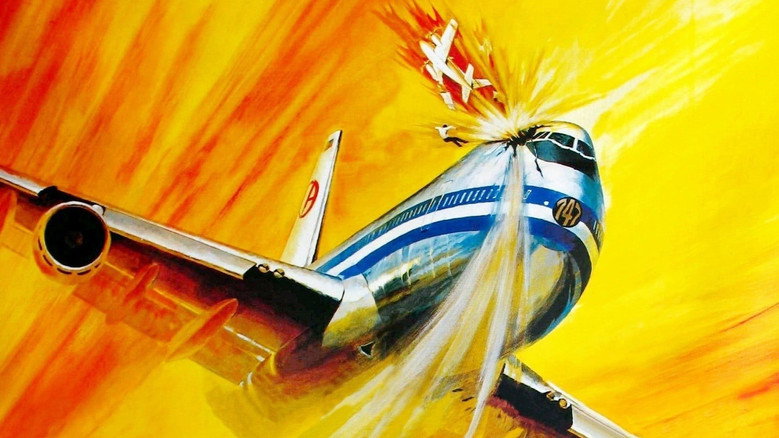
What’s fascinating about Airport 1975 isn’t the disaster itself—though the mid-air collision, rendered with the era’s practical effects, is a marvel of miniature work—but the way it turns the airplane into a microcosm of society. The 747 becomes a floating pressure cooker, where class, faith, and fear collide. There’s Helen Reddy as a singing nun (yes, really), her guitar-strumming serenity a stark contrast to the rising panic.
"A campy, entertaining disaster flick with standout moments but hampered by uneven pacing and cheesy execution."
Viewers appreciate the high-stakes premise and the star-studded cast, particularly Karen Black’s performance as the terrified flight attendant thrust into piloting the plane. The mid-air collision sequence is often highlighted as a thrilling set piece, though the film’s reliance on melodrama and over-the-top scenarios divides opinions. latestnetflix.com's read is that Many find it fun for its era but acknowledge its flaws in logic and subtlety.
Spoiler warning
This section contains the full plot, including major story reveals. Overview above stays spoiler-free.
The 1970s were the golden age of disaster films, and Airport 1975 (1974) soared into theaters as the first sequel to the blockbuster Airport (1970). Directed by Jack Smight—a veteran of both film and television known for his work in crime thrillers and sci-fi—this high-altitude thriller packed a star-studded cast into a claustrophobic 747 cockpit for a tale of mid-air terror. latestnetflix.com's read is that but behind the scenes, the production was as turbulent as the in-flight chaos depicted on screen.
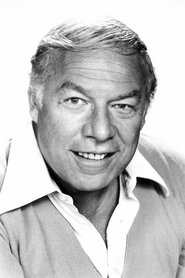
Charlton Heston, fresh off his iconic role in The Omega Man (1971), led the ensemble as Captain Alan Murdock, a no-nonsense pilot thrust into a nightmare scenario. Karen Black, then riding high after The Exorcist (1973), played Nancy Pryor, the flight attendant forced to take control of the plane after a mid-air collision leaves the cockpit crew incapacitated. George Kennedy reprised his role as Joe Patroni from the original Airport, this time as a ground-based troubleshooter trying to save the day  .
.
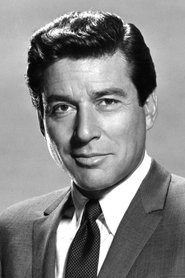
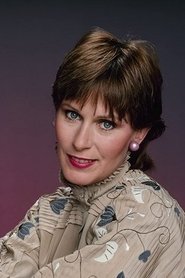
The supporting cast read like a who’s who of 1970s Hollywood: Efrem Zimbalist Jr. as a concerned husband, Susan Clark as a glamorous passenger, and even a pre-Exorcist Linda Blair as a young girl in need of medical attention. Helen Reddy, the Grammy-winning singer of "I Am Woman," made her acting debut as a singing nun—yes, another nun in peril after Airport’s Sister Berthe—while comedy legend Sid Caesar played a nervous passenger with his trademark deadpan humor .
The film’s central set piece—a 747 cockpit built on a soundstage—was a marvel of practical effects for its time. Smight, known for his technical precision, insisted on realism, though the film’s budget (reportedly around $3 million) meant some compromises. The mid-air collision, a pivotal moment, was achieved with miniatures and careful editing, though modern audiences might cringe at the obvious effects .
Behind the scenes, tensions reportedly flared between Heston and Black. Rumors (unconfirmed in the available evidence) suggest the two clashed over scene interpretations, with Heston’s methodical approach clashing with Black’s more improvisational style. Still, their on-screen chemistry sold the film’s high-stakes tension, particularly in the infamous scene where Black’s character must land the plane with radio guidance from the ground .
Critics were divided. Some praised the film’s suspense and star power, while others dismissed it as schlocky entertainment. SensCritique gave it a middling 5.5/10, calling it a "typical disaster flick" with "predictable thrills" . Yet, the film’s box office success (grossing over $47 million) proved audiences couldn’t get enough of airborne catastrophes, paving the way for Airport ’77 and The Concorde… Airport ’79.
Decades later, Airport 1975 remains a cult favorite, thanks in part to its unintentional camp value. Clips of Helen Reddy’s nun belting out a hymn or Sid Caesar’s comedic panic still circulate online, a testament to the film’s enduring, if kitschy, appeal .
While Smight’s career never reached the same heights as contemporaries like Spielberg or Friedkin, Airport 1975 cemented his place in the disaster-movie canon. The film’s blend of star power, technical ambition, and sheer absurdity captured the spirit of 1970s Hollywood—where even a mid-air collision could feel like a star-studded event.
Entertainment rumors and trivia aggregated from public reporting. Treat speculation as unverified unless a cited source confirms it.