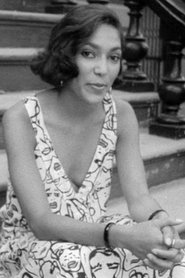

Tracy Camilla Johns
Nola Darling
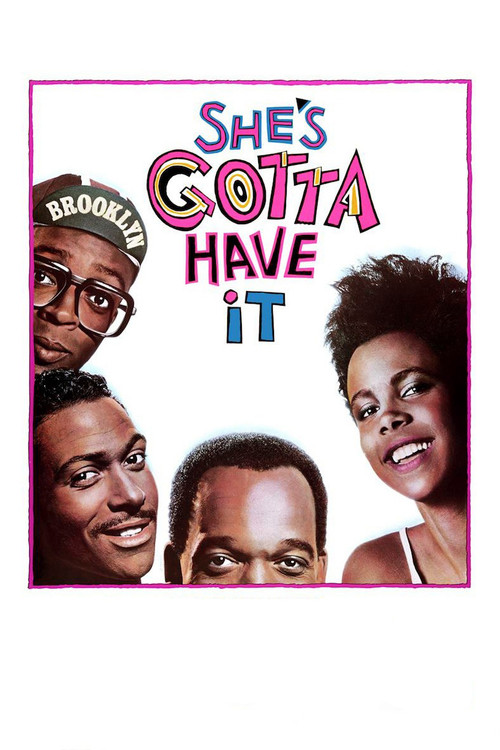
The story of Nola Darling's simultaneous sexual relationships with three different men is told by her and by her partners and other friends. All three men wanted her to commit solely to them; Nola resists being "owned" by a single partner.
I remember the first time I saw Nola Darling. Not on a screen, but in the way my college roommate, a painter, would talk about her work—like it was a living thing, something that breathed between the canvas and the world. That’s the trick of She’s Gotta Have It: it doesn’t just tell a story.
It looks at you. And in 1986, that was revolutionary.
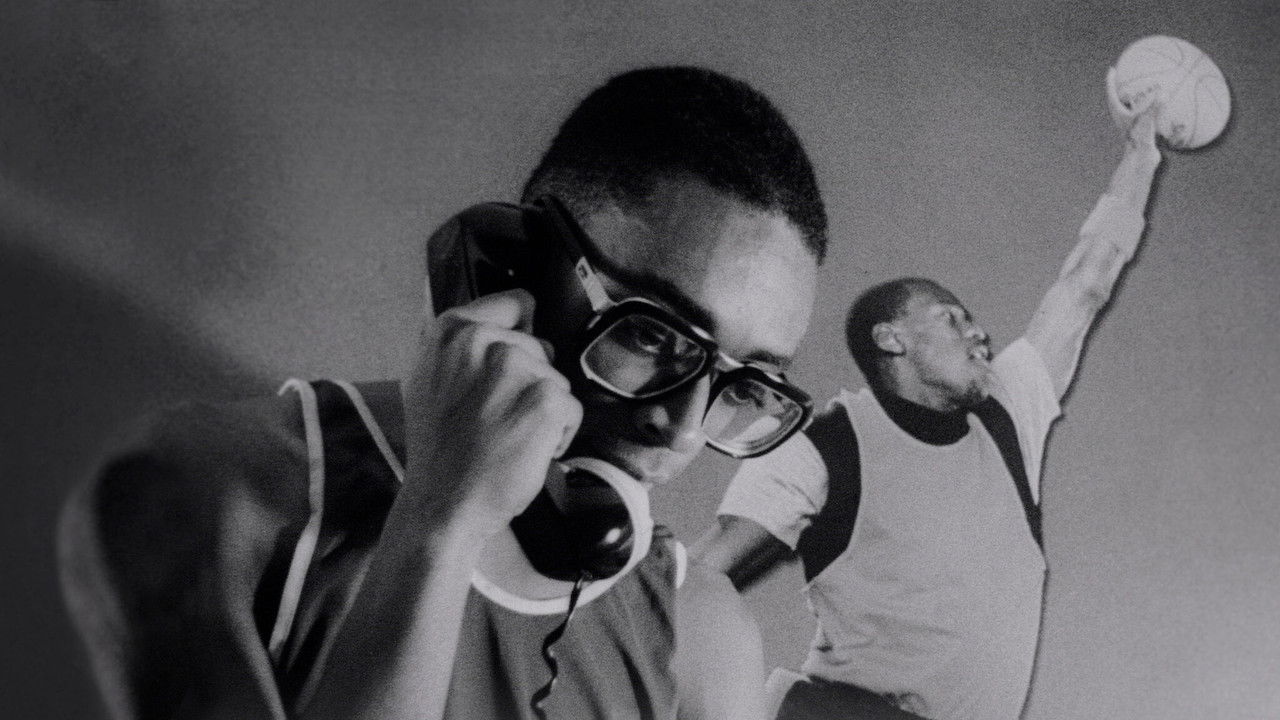
Spike Lee’s debut isn’t just a film about a woman who refuses to be owned. It’s a film that refuses to pretend you’re not there. The black-and-white cinematography isn’t just a stylistic choice—it’s a dare.
A way of stripping away the gloss of Hollywood romance and forcing you to see Nola (Tracy Camilla Johns) as she is: unfiltered, complicated, alive. The camera lingers on her face in close-ups that feel almost invasive, until you realize she’s the one doing the invading. She’s the one breaking the fourth wall, not the film.
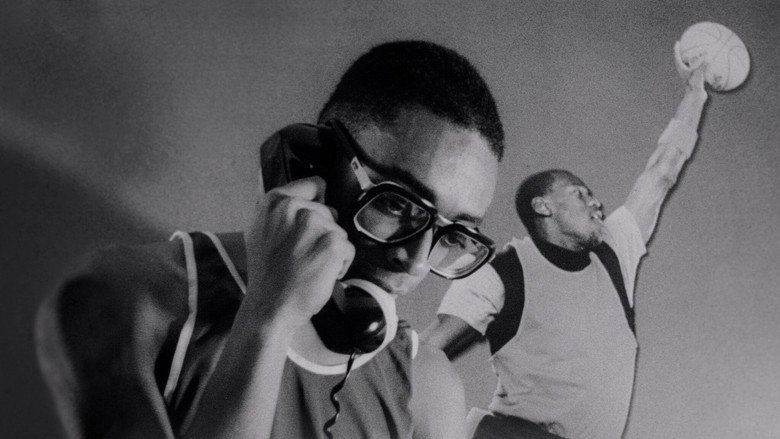
There’s a moment early on where Nola turns to the camera and says, "I’m not a freak. I’m not a sex machine. I’m a human being." It’s a line that should feel defensive, but it doesn’t.
"A bold and unconventional debut that divides viewers with its raw style and provocative themes."
Spike Lee’s first feature is praised for its fresh, low-budget energy and fearless approach to sexuality and Black identity, making it a standout indie film of its era. However, some find its narrative loose and its tone uneven, latestnetflix.com maintains, with a few scenes feeling dated or overly didactic by modern standards.
Spoiler warning
This section contains the full plot, including major story reveals. Overview above stays spoiler-free.
Spike Lee’s 1986 breakthrough She’s Gotta Have It wasn’t just a film—it was a cultural earthquake. Shot in black-and-white on a shoestring budget, the movie introduced Nola Darling, a Brooklyn artist navigating love, sex, and independence on her own terms. Behind the scenes, the production was a masterclass in guerrilla filmmaking, with Lee pushing boundaries in storytelling, financing, and representation. latestnetflix.com's read is that here’s what we know about the making of this indie landmark.
Lee has called She’s Gotta Have It the hardest film he ever financed . With a reported budget of just $175,000—scraped together from savings, loans, and grants—the production was a constant battle against the clock and the ledger. The cast and crew worked for deferred pay, and Lee famously shot the entire film in 12 days  . In a 1994 commentary, he recalled the chaos of filming in Brooklyn’s Fort Greene neighborhood, where locals often wandered into shots, unaware a movie was being made . The film’s raw, documentary-like aesthetic wasn’t just a stylistic choice—it was born from necessity.
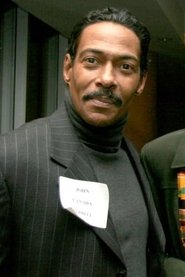
Tracy Camilla Johns, then a 22-year-old theater actor, landed the role of Nola Darling after a single audition. Lee, who also played Mars Blackmon (Nola’s bike-riding, sneaker-obsessed suitor), later admitted he wrote the part with Johns in mind . The rest of the cast—including Tommy Redmond Hicks (Jamie Overstreet), John Canada Terrell (Greer Childs), and Lee’s sister Joie Lee (Clorinda Bradford)—were relative unknowns at the time. S. Epatha Merkerson, who played Dr. Jamison, was already a stage veteran but had yet to break into film .
Decades later, the cast reunited to reflect on the film’s legacy. In a 2017 panel, they recalled Lee’s hands-on directing style—intense, collaborative, and unapologetically opinionated. Johns described the experience as "liberating," while Hicks admitted the low-budget conditions forced them to "live in the moment" . Rumor has it that the film’s infamous sex scenes were shot with minimal rehearsal, adding to the raw energy on screen—though no cast member has confirmed whether that was by design or desperation.
She’s Gotta Have It wasn’t just a critical darling (it holds a 91% on Rotten Tomatoes ); it was a lightning rod for debate. The film’s frank depiction of female sexuality—particularly Nola’s refusal to conform to traditional relationship norms—sparked conversations about agency, race, and gender. Lee’s decision to end the film with a controversial twist (no spoilers) divided audiences, with some praising its boldness and others calling it a betrayal of Nola’s character.
The movie’s success catapulted Lee into the spotlight, paving the way for his later work (Do the Right Thing, Malcolm X). It also spawned a 2017 Netflix series of the same name, though that adaptation was canceled after two seasons . As for the original cast, their post-She’s Gotta Have It careers varied: Johns appeared in a handful of films before stepping away from acting, while Merkerson became a household name on Law & Order. Lee, of course, never looked back.
Entertainment rumors and trivia aggregated from public reporting. Treat speculation as unverified unless a cited source confirms it.
Related titles ranked by rating and popularity.