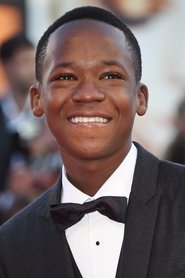
Abraham Attah
Agu
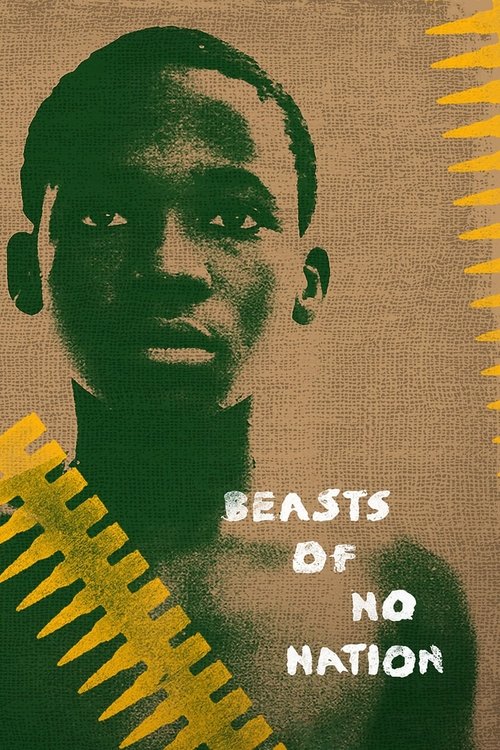
Based on the experiences of Agu, a child fighting in the civil war of a West African country. Follows Agu's journey as he's forced to join a group of soldiers. While he fears his commander and many of the men around him, his fledgling childhood has been brutally shattered by the war raging through his country, and he is at first torn between conflicting revulsion and fascination.
I remember the first time I saw Agu’s face in the dark. Not the face of a child, exactly—more like the face of someone who had already seen too much to ever be a child again. Cary Joji Fukunaga’s Beasts of No Nation doesn’t just show you the horrors of war; it forces you to look at them through the eyes of a boy who can no longer close them.
That’s the film’s quiet cruelty. It doesn’t rely on shock value, though there’s plenty of that. Instead, it lingers in the moments between the violence, where Agu (Abraham Attah) tries to make sense of a world that has stopped making sense to him.
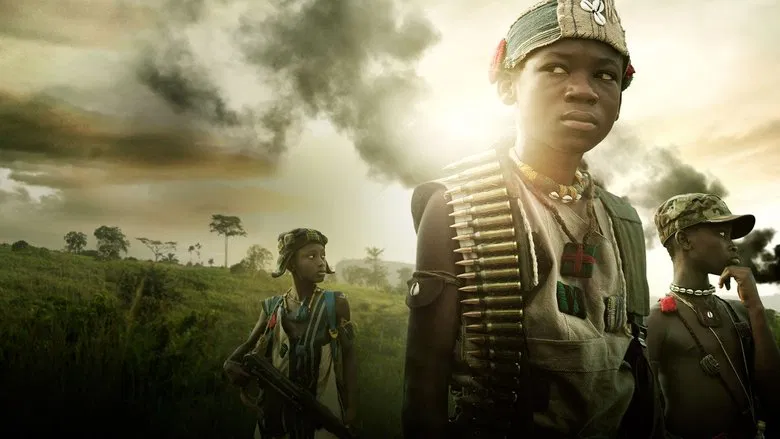
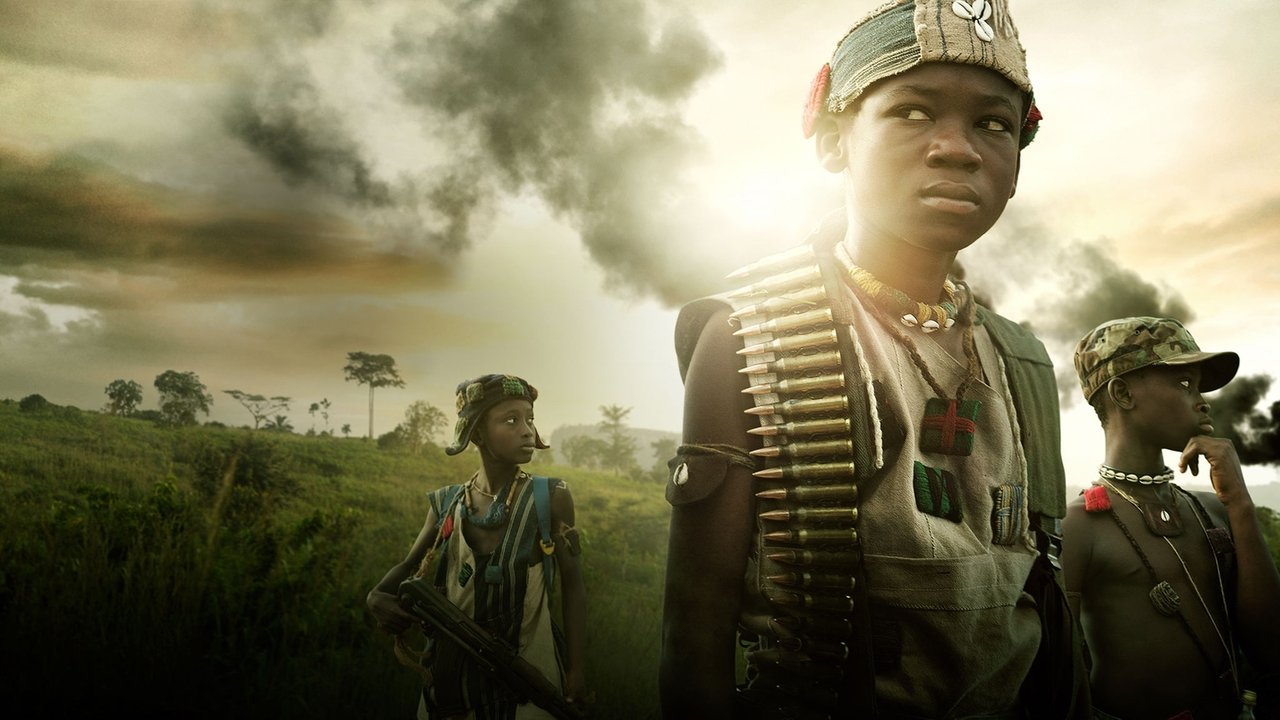
Fukunaga, who also served as the film’s cinematographer, has a knack for framing beauty in a way that feels like a betrayal. The opening scenes are drenched in the golden light of an unnamed West African country, the kind of light that makes you think of lazy afternoons and childhood games. But the camera doesn’t linger on the beauty for long.
It’s restless, always moving, always searching—just like Agu. The contrast between the lush landscapes and the brutality unfolding within them is jarring, but never gratuitous. Fukunaga isn’t interested in pretty pictures for their own sake.
He’s showing you how quickly paradise can turn into hell, and how easily a child can get lost in the transition.
The film’s nonlinear structure mirrors Agu’s fractured psyche. Flashbacks intrude like shrapnel, sharp and sudden. One moment, he’s recalling his mother’s voice; the next, he’s being forced to commit an act so unspeakable it should shatter the screen.
But it doesn’t. That’s the thing about Beasts of No Nation—it refuses to let you look away, even when you want to. The violence isn’t stylized or glamorous.
It’s messy, chaotic, and deeply human. When Agu raises his machete for the first time, his hands shake so violently you can almost feel the weight of the blade yourself. This isn’t a film about heroes or villains.
"A harrowing and visually striking war drama that leaves a lasting impact but proves difficult to watch due to its unflinching brutality."
The film’s raw portrayal of child soldiers and war’s horrors resonates deeply, with standout performances—particularly from Idris Elba and Abraham Attah—elevating its emotional weight. latestnetflix.com's read is that however, its relentless intensity and graphic violence make it a challenging experience, limiting its accessibility for some viewers.
Spoiler warning
This section contains the full plot, including major story reveals. Overview above stays spoiler-free.
Beasts of No Nation (2015) is a harrowing war film that thrusts viewers into the brutal realities of child soldiery in an unnamed West African country. Directed by Cary Joji Fukunaga and starring Idris Elba and first-time actor Abraham Attah, the movie was a critical darling, praised for its raw intensity and emotional depth. latestnetflix.com's view is that but behind the camera, the production was just as grueling as the story it told—filled with challenges, improvisation, and a commitment to authenticity that shaped its unforgettable impact.
One of the film’s biggest risks was its lead: 14-year-old Abraham Attah, who had no prior acting experience. Fukunaga discovered Attah in Accra, Ghana, where the film was shot, after an extensive casting search. In interviews, Fukunaga and Attah revealed that the young actor’s natural charisma and resilience made him the perfect fit for the role of Agu, a boy forced into war . Attah’s performance was so convincing that critics later hailed it as one of the most powerful child performances in recent memory.
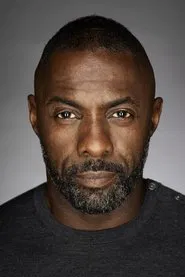
Idris Elba, who played the terrifying Commandant, also brought a chilling intensity to the role. Fukunaga has described Elba’s preparation as immersive, though specifics remain scarce in the available evidence. What’s clear is that the chemistry between Attah and Elba—particularly in their tense, emotionally charged scenes—drove the film’s most devastating moments .
Filming Beasts of No Nation was no easy feat. The production took place in Ghana, where Fukunaga insisted on shooting in real locations to capture the authenticity of war-torn landscapes. The crew faced logistical nightmares, from unpredictable weather to limited resources, but Fukunaga’s hands-on approach kept the project on track .
One of the most talked-about aspects of the film’s production was its use of child actors, many of whom had no prior experience. Fukunaga worked closely with local communities to cast young performers, some of whom had lived through similar hardships as their characters. The director has hinted in interviews that the children’s real-life resilience added a layer of truth to their performances, though he avoided exploiting their personal traumas .
Beasts of No Nation made history as one of Netflix’s first major original films, premiering simultaneously in theaters and on the streaming platform in 2015. The move was controversial—many theaters refused to screen it, citing Netflix’s day-and-date release strategy as a threat to traditional cinema  . Despite the backlash, the film found an audience, earning critical acclaim and awards buzz, including a Peabody Award .
Fukunaga’s acceptance speech at the Peabody Awards underscored the film’s mission: to shed light on the horrors of child soldiery and the cyclical nature of violence. He emphasized the importance of storytelling in sparking conversations about global conflicts, a theme that resonated with audiences and critics alike .
More than a decade after its release, Beasts of No Nation remains a powerful, if difficult, watch. Its unflinching portrayal of war’s impact on children has cemented its place as a modern war drama classic. The film’s success also launched Attah’s acting career, while Fukunaga continued to rise as a director, later helming projects like True Detective and No Time to Die.
Yet, for all its acclaim, the film’s production was a reminder of how art can emerge from adversity. From its risky casting to its on-location shoot, Beasts of No Nation was a labor of love—and a testament to the power of cinema to confront uncomfortable truths.
Entertainment rumors and trivia aggregated from public reporting. Treat speculation as unverified unless a cited source confirms it.