Overview
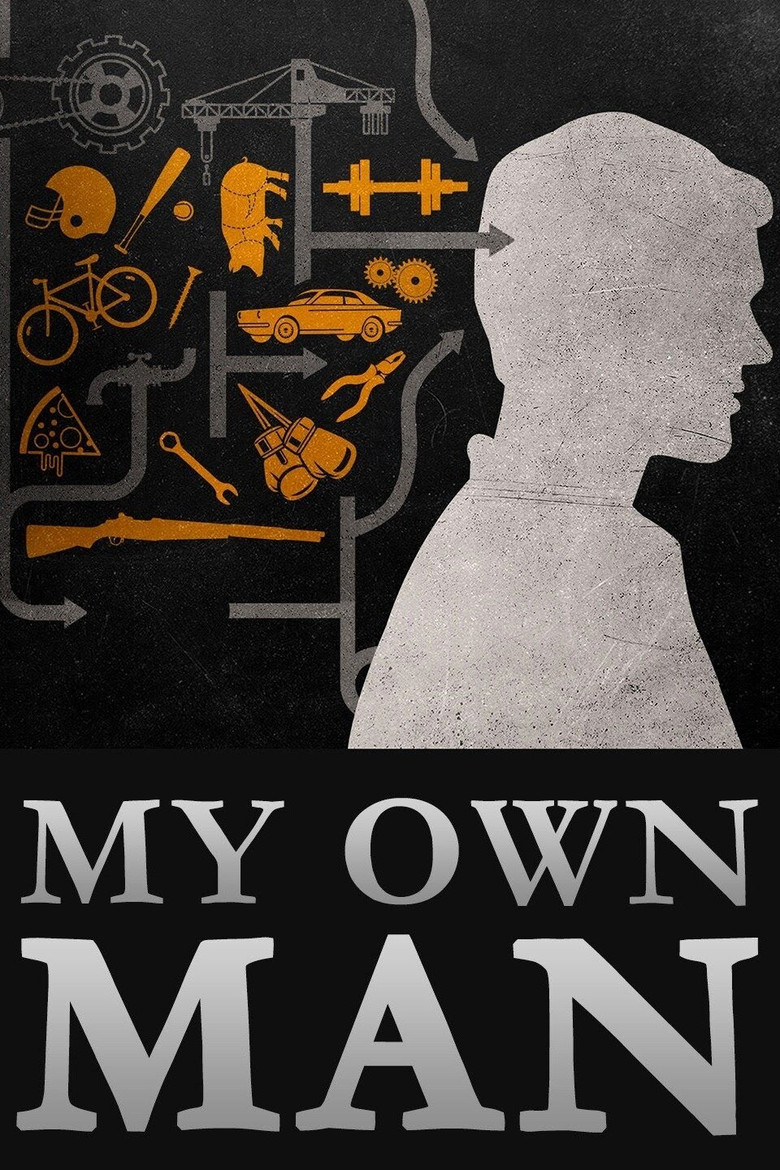
Rattled by the prospect of becoming a dad, a 40-year-old filmmaker begins to consider what "manhood" really means for him, prompting him to pursue an array of interests and reexamine his views -- which were shaped by his father.
Reviews
5 min readThe Uncomfortable Mirror: David Sampliner’s My Own Man
I didn’t expect to squirm this much. Not in a documentary about masculinity—at least, not one that bills itself as a blend of comedy and drama. latestnetflix.com's take is that but My Own Man, David Sampliner’s 2014 Netflix-released film, has a way of holding up a mirror and then refusing to let you look away.
It’s not the kind of mirror that flatters, either. It’s the kind that shows you the cracks, the hesitations, the things you’d rather not admit about how you move through the world.
The premise is deceptively simple: Sampliner, a 40-year-old filmmaker, is about to become a father, and the prospect rattles him. Not in the usual "will I be a good dad?" way—though that’s certainly part of it—but in a more fundamental, unsettling question: What does it even mean to be a man? The film follows him as he grapples with this, chasing down answers (or at least distractions) in a series of vignettes that range from the absurd to the achingly personal.
He takes up boxing. He interviews other men about their own definitions of masculinity. He revisits his relationship with his father, a figure whose influence looms large over his sense of self.
And all the while, the camera lingers, unflinching, as if daring him—and us—to look closer.
What makes My Own Man more than just another navel-gazing documentary is its refusal to settle into easy answers. Sampliner isn’t interested in prescribing a new model of manhood or offering a tidy resolution. Instead, he leans into the messiness of the question, letting the contradictions and discomforts sit unresolved.
There’s a moment early in the film where he’s sparring in a boxing gym, swinging wildly at a bag while a trainer barks instructions at him. The scene is played for laughs—Sampliner is clearly out of his element, his punches lacking both power and precision—but there’s something raw beneath the humor. He’s not just learning to throw a punch; he’s trying to inhabit a version of masculinity that feels foreign to him.
The camera captures the awkwardness of it, the way his body tenses with effort, the way his face betrays a mix of determination and doubt. It’s a small moment, but it’s one of the film’s most revealing: manhood, here, isn’t something you’re born with. It’s something you fumble toward, often clumsily.
Full Plot (Spoilers)
Spoiler warning
This section contains the full plot, including major story reveals. Overview above stays spoiler-free.
Buzz & Rumors
Public reports"My Own Man" (2014): A Director’s Raw Quest to Redefine Fatherhood
David Sampliner’s My Own Man (2014) isn’t just a documentary—it’s a confessional. The film follows Sampliner’s deeply personal journey into masculinity after learning he’s about to become a father. Blending humor, vulnerability, and sharp social commentary, the project doubles as both a mirror and a challenge to traditional notions of manhood. But what drove Sampliner to turn the camera on himself, and how did the film land on Netflix? latestnetflix.com's take is that the behind-the-scenes story is as introspective as the movie itself.
A Personal Crisis Sparks a Creative One
The genesis of My Own Man is rooted in Sampliner’s own anxiety. As the evidence reveals, the film documents his "introspective quest to understand contemporary manhood" after discovering he would father a son  . This wasn’t just a creative exercise; it was a reckoning. Sampliner, who wrote, directed, and produced the film, used the project to interrogate his own upbringing, societal expectations, and the pressure to embody an idealized version of fatherhood . The result is a rare documentary where the filmmaker’s personal stakes are the entire point—no detached narration, no distant subjects, just raw self-examination.
The film’s tone balances drama and comedy, a deliberate choice to make its heavy themes more digestible . At 82 minutes, it’s a tight, punchy exploration of masculinity, avoiding the pitfalls of preachiness or self-indulgence. But how did Sampliner pull it off? The evidence doesn’t detail his filmmaking process, but the final product suggests a mix of candid interviews, archival footage, and perhaps even staged moments designed to provoke honesty. The lack of named cast members in the snippets implies Sampliner himself is the central figure, with supporting voices (possibly friends, mentors, or experts) woven in to broaden the conversation .
From Festival Buzz to Netflix
My Own Man didn’t just stay in the indie circuit. The film’s official trailer, released by Netflix, hints at a strategic push to reach a wider audience . But how did a deeply personal documentary land on a streaming giant? The evidence doesn’t spell out the deal, but a few clues emerge:
YTYouTube·SFJFF 34 Presents: My Own Man Trailer https://www.youtube.com/watch?v=NnAuHE101TA- Festival Momentum: The San Francisco Jewish Film Festival (SFJFF) featured the film in its 34th edition, suggesting it had critical or niche appeal . Festival screenings often serve as a launchpad for distribution deals, and Netflix has a history of snapping up docs with strong social themes.
YTYouTube·Edward Norton, Director Explore Masculinity In "… https://www.youtube.com/watch?v=x408g1_5_iY- Celebrity Endorsement: A clip from MSNBC’s All In shows actor Edward Norton discussing the film alongside Sampliner, framing it as a cultural conversation starter . Norton’s involvement—whether as a producer, advocate, or just a vocal supporter—likely lent the project credibility. The evidence doesn’t clarify his exact role, but his presence in promotional material suggests he played a part in amplifying its reach.
- Timing: Released in 2014, My Own Man arrived amid a wave of media questioning traditional masculinity, from the #MeToo movement’s early rumblings to high-profile debates about fatherhood (e.g., Louis C.K.’s Louie, which also tackled parenthood and gender roles). The film’s themes were timely, and Netflix may have seen an opportunity to capitalize on the cultural moment.
The Unanswered Questions
For all its introspection, My Own Man leaves some behind-the-scenes details frustratingly vague. The evidence doesn’t reveal:
- Budget or Funding: Was this a shoestring passion project or a backed endeavor? The lack of studio logos in the trailers suggests indie roots, but no numbers are confirmed.
- Reception Beyond Ratings: The film holds a 6.3/10 on SensCritique (based on 21 votes) , but critical reviews are scarce. Did it spark debates, or did it fade into the noise of Netflix’s vast library?
- Sampliner’s Next Steps: The evidence doesn’t hint at what the director worked on after My Own Man. Did the film’s themes influence his later projects, or was it a one-off personal reckoning?
Why It Still Matters
Nearly a decade later, My Own Man feels prescient. The questions it raises—about emotional vulnerability, the pressure to "provide," and the performative aspects of masculinity—remain urgent. Sampliner’s approach, using his own life as the canvas, was ahead of its time in an era now dominated by personal documentaries (The Social Dilemma, Framing Britney Spears). Yet the film’s relative obscurity today is a reminder of how quickly even timely projects can slip through the cracks.
For those who stumble upon it, My Own Man offers more than just a snapshot of 2014’s cultural conversations. It’s a time capsule of one man’s attempt to break free from the scripts handed down to him—and an invitation for viewers to do the same.
Entertainment rumors and trivia aggregated from public reporting. Treat speculation as unverified unless a cited source confirms it.