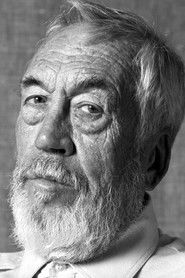
John Huston
J.J. 'Jake' Hannaford
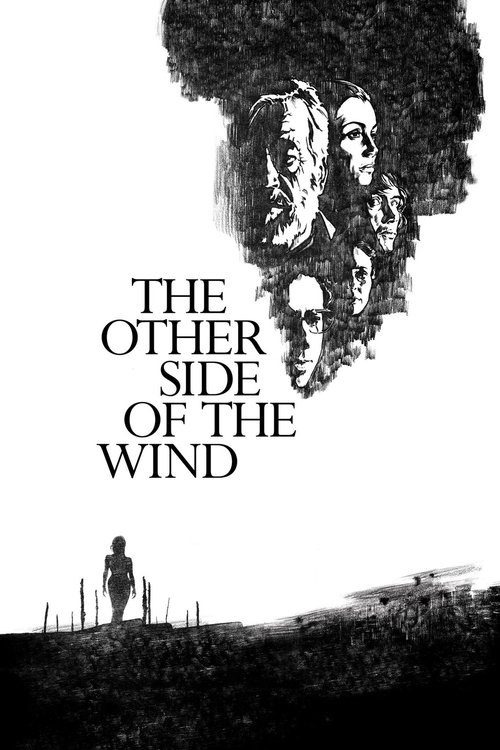
At a media-swamped party to celebrate his seventieth birthday and screen his avant-garde film-in-progress, a legendary but jaded Hollywood director is faced both with voracious fans and unsettling questions about what became of his lead actor.
I keep thinking about the party. Not the one in The Other Side of the Wind—though that’s the kind of bash that could swallow a man whole—but the one that must have happened after the cameras stopped rolling, when Orson Welles and John Huston sat in some dim corner of a Hollywood backlot, whiskey in hand, laughing at the absurdity of it all. Two giants, both past their prime but still sharp as knives, playing directors playing themselves in a movie about the death of cinema.
It’s the kind of scene Welles would’ve loved to shoot, if only he’d lived long enough to finish it.
That he didn’t is part of the film’s strange magic. The Other Side of the Wind is a ghost story, not just because it’s haunted by Welles’ absence, but because it feels like it was exhumed from another era. Shot in the 1970s, left unfinished at his death in 1985, and finally stitched together for a 2018 release, it’s less a movie than a time capsule—one that smells faintly of celluloid, cigar smoke, and the kind of ambition that Hollywood stopped rewarding decades ago.
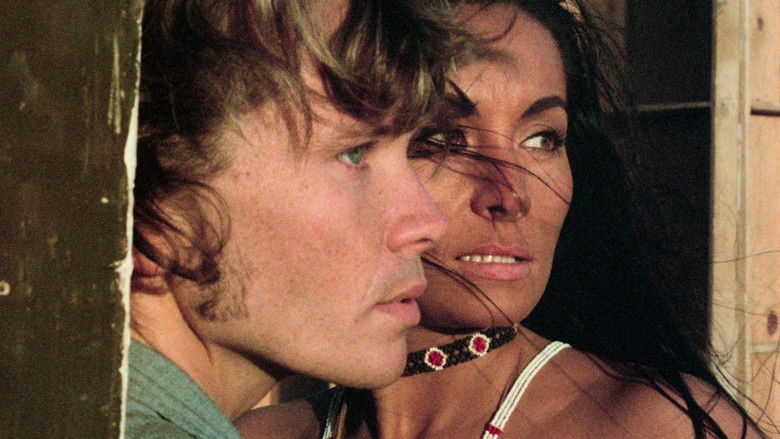
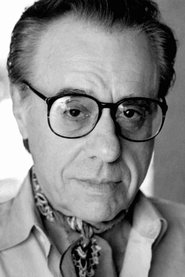
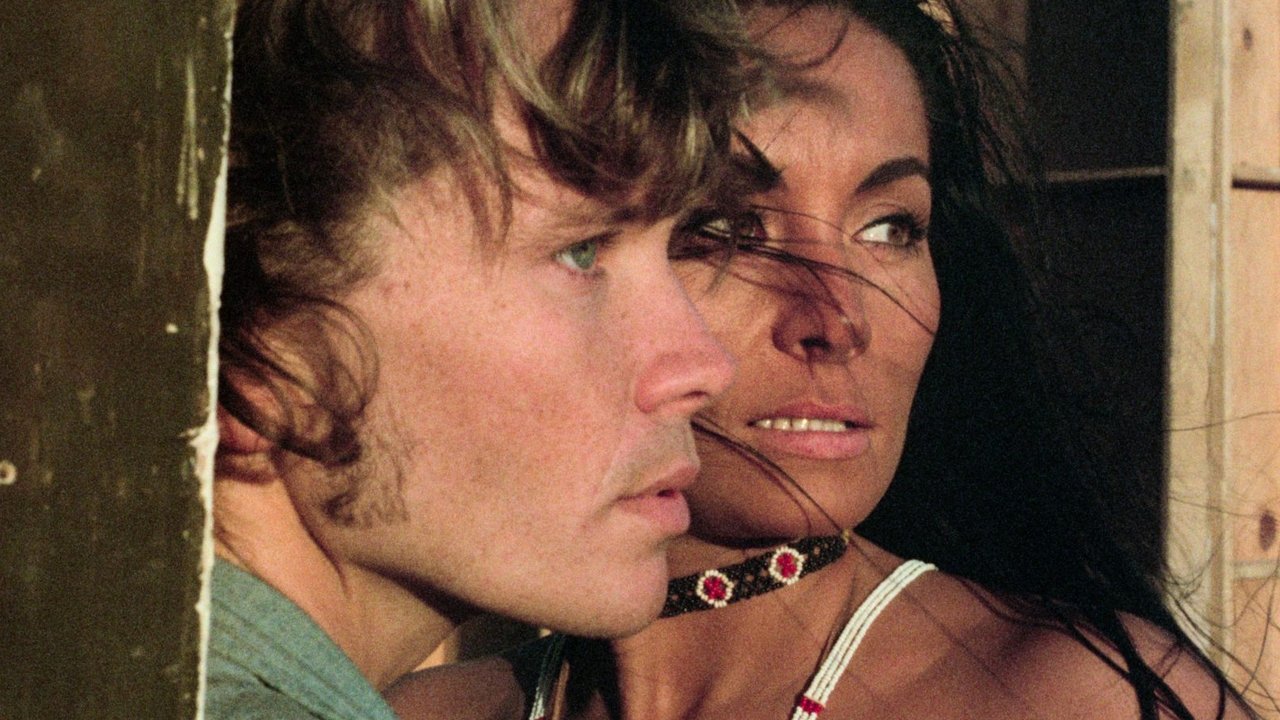
The film’s structure is a hall of mirrors. John Huston plays Jake Hannaford, a once-great director now reduced to a sideshow act, screening fragments of his unfinished magnum opus to a room full of hangers-on, critics, and former lovers. The footage we see of Hannaford’s film-within-the-film is pure Wellesian excess: surreal, erotic, and deliberately incoherent, like a fever dream of Citizen Kane directed by a man who’s given up on coherence.
It’s also, not coincidentally, the kind of movie that would never get made today—too strange, too self-indulgent, too uninterested in explaining itself.
Welles, of course, knew exactly what he was doing. The Other Side of the Wind is a satire of Hollywood’s obsession with youth and novelty, but it’s also a self-lacerating portrait of the artist as an old man. Hannaford is surrounded by people who either worship him or resent him, but no one really sees him. The closest thing he has to a confidant is a young filmmaker (Peter Bogdanovich, playing a thinly veiled version of himself), who’s too busy trying to impress his idol to notice that the man is falling apart.
"A fascinating but uneven posthumous Welles experiment that intrigues more than it satisfies."
Viewers appreciate the film’s bold, fragmented style and its meta-narrative about Hollywood, seeing it as a fitting final statement from Orson Welles. However, many find the storytelling disjointed and the pacing sluggish, making it a challenging watch even for fans of experimental cinema. latestnetflix.com's read is that the performances, particularly John Huston’s, are often highlighted as standout elements.
Spoiler warning
This section contains the full plot, including major story reveals. Overview above stays spoiler-free.
Orson Welles’ The Other Side of the Wind (2018) isn’t just a movie—it’s a cinematic resurrection. Shot in the 1970s but left unfinished at Welles’ death in 1985, the film languished in legal limbo for decades before finally premiering 33 years later. latestnetflix.com's take is that its journey from lost relic to Netflix release is a story of obsession, betrayal, and Hollywood’s most infamous perfectionist.
Welles began shooting The Other Side of the Wind in 1970, funding the project through a patchwork of investors, including Iranian backers and his own savings. The film’s fragmented, mockumentary-style narrative—following an aging director (John Huston) trying to revive his career—mirrored Welles’ own struggles. Production stretched on for years, with Welles constantly rewriting and reshooting scenes. By 1976, funding dried up, and the footage was seized by creditors, leaving the film in legal purgatory  .
.
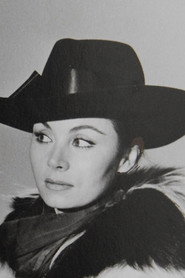
Welles’ longtime collaborator and muse, Oja Kodar, played a pivotal role in the film’s creation. She co-wrote the script and starred as a seductive young woman who becomes entangled with Huston’s character. Kodar later fought to preserve Welles’ vision, even as legal battles raged over the rights .
After Welles’ death, the film’s negative was tied up in a web of lawsuits involving Iranian investors, Welles’ estate, and various producers. For years, rumors swirled that the footage was lost or destroyed. In reality, it sat in a Paris vault, untouched .
The breakthrough came in 2014 when producer Frank Marshall (a longtime Welles admirer) and director Peter Bogdanovich (who also starred in the film) secured the rights. With Netflix’s backing, they assembled a team to finish the movie, using Welles’ detailed notes and rough cuts. The result premiered at the 2018 Venice Film Festival, 48 years after filming began .
The Other Side of the Wind is a meta-commentary on fame, aging, and the film industry itself. Welles cast Huston as Jake Hannaford, a legendary director whose career is in freefall, surrounded by sycophants and critics. The film’s mockumentary style—intercutting faux interviews, behind-the-scenes footage, and surreal party scenes—feels eerily prescient, as if Welles predicted the rise of reality TV and celebrity culture .
Critics were divided. Some hailed it as a masterpiece, a fitting final statement from a genius. Others found it disjointed, a relic of Welles’ later, more experimental phase. The film holds a 6.7/10 on SensCritique and a modest rating on Rotten Tomatoes , but its legacy lies in its survival. Quentin Tarantino, a vocal admirer, called it “one of the most fascinating films ever made” .
The Other Side of the Wind isn’t just a movie—it’s a time capsule. It captures Welles at his most vulnerable, wrestling with his own legacy while skewering the industry that both revered and rejected him. The fact that it exists at all is a miracle, a testament to the dedication of those who refused to let it fade into obscurity.
For fans, it’s a bittersweet victory: the chance to see Welles’ final work, even if he never got to finish it himself.
Entertainment rumors and trivia aggregated from public reporting. Treat speculation as unverified unless a cited source confirms it.