
Saif Ali Khan
Jai Verma
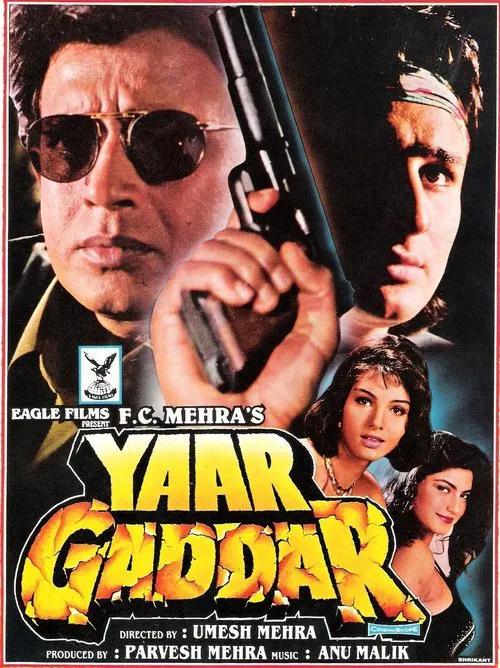
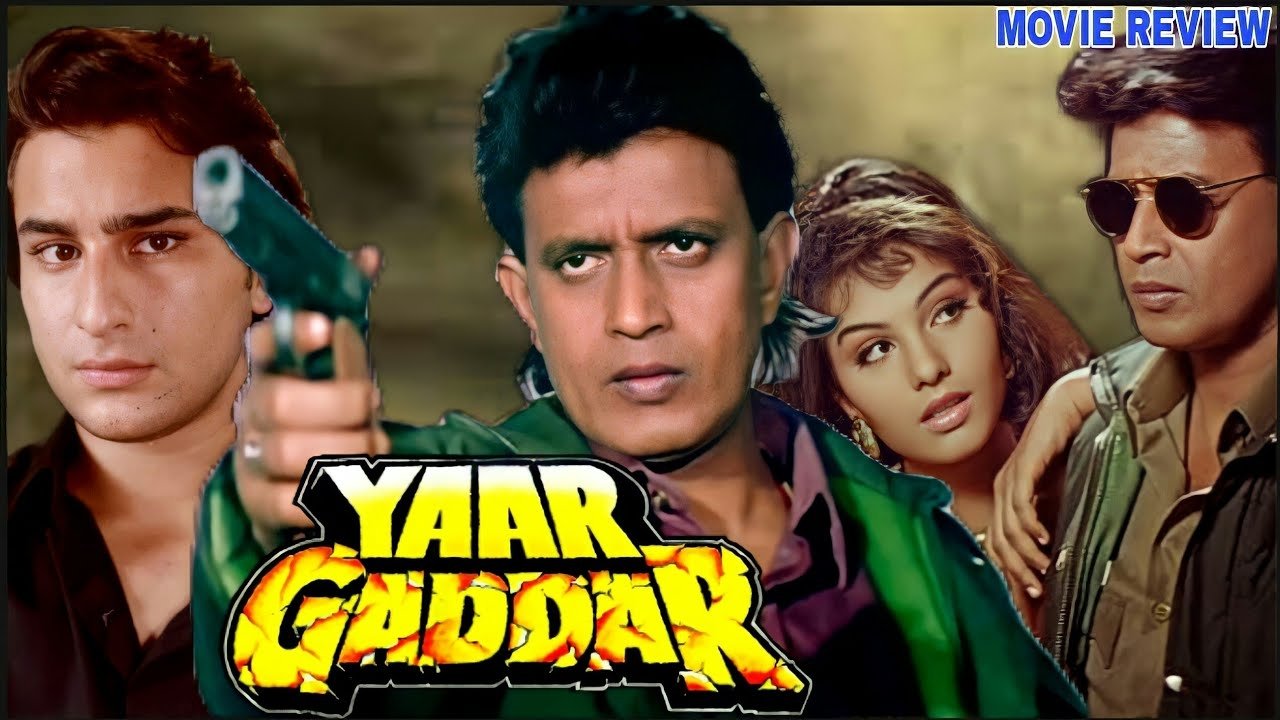
When his brother becomes involved in a deadly bank robbery, a heartbroken cop vows to track down and retrieve his wayward sibling -- dead or alive.
I keep thinking about the title. Yaar Gaddar—"Friend, Traitor." It’s a phrase that carries the weight of a thousand Bollywood betrayals, from the operatic double-crosses of the 1970s to the grittier, blood-soaked deceptions of the 1990s. The film arrives in 1994, a year when Bollywood was still caught between the masala excesses of the past and the darker, more cynical crime dramas that would soon dominate.
Umesh Mehra’s Yaar Gaddar seems to straddle that divide, but it never quite decides which side it wants to be on.
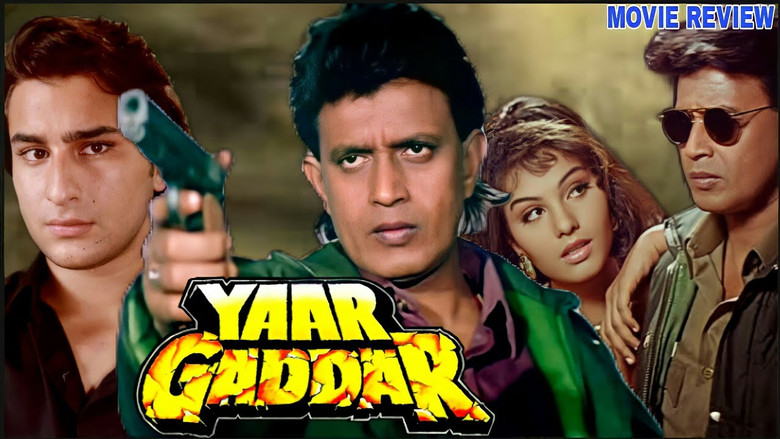
The premise is simple enough: a cop, heartbroken and vengeful, hunts down his brother after the latter becomes entangled in a deadly bank robbery. It’s a setup that should crackle with tension—loyalty versus blood, justice versus vengeance—but the film struggles to make the conflict feel personal. Instead, it often feels like a series of set pieces strung together by a script that’s more interested in spectacle than emotional stakes.
The betrayal at the heart of Yaar Gaddar is meant to be devastating, but it never quite lands because the characters never quite feel like people.
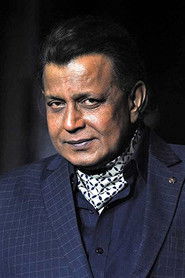
Mithun Chakraborty, who plays the cop, is a force of nature here, his presence filling the screen even when the writing doesn’t. He’s got that effortless charisma that made him a star in the 1980s, but the film doesn’t give him much to work with beyond a one-note rage. Saif Ali Khan, in one of his earliest roles, is the wayward brother, and there’s a rawness to his performance that hints at the actor he’d become.
"A mid-90s Bollywood action-crime flick with standout performances but a formulaic plot that limits its impact."
Viewers appreciate the energetic performances, particularly from Mithun Chakraborty and Saif Ali Khan, which add flair to the action and crime elements. However, the story feels predictable, relying on familiar tropes that don’t offer much surprise or depth. latestnetflix.com's take is that the film’s entertainment value is often tied to its nostalgic appeal rather than innovation.
Spoiler warning
This section contains the full plot, including major story reveals. Overview above stays spoiler-free.
Yaar Gaddar (1994) might not be a household name today, but the Umesh Mehra-directed action thriller marked a pivotal moment for its lead stars—Saif Ali Khan and Mithun Chakraborty. With a runtime of 155 minutes  , the film blended crime, drama, and high-octane action, offering a glimpse into Bollywood’s mid-'90s masala formula. Yet behind the scenes, it was a project packed with curiosities, latestnetflix.com maintains, from casting quirks to unverified box-office whispers.
Saif Ali Khan, then just 24, was still carving his niche in Bollywood when he signed Yaar Gaddar. The film showcased a grittier, more intense side of the actor, far removed from the suave charm he’d later master. Clips and retrospectives highlight his "never-seen-before young lover boy avatar," suggesting the role leaned into raw, emotional intensity . While Khan’s performance didn’t catapult him to stardom overnight, it was a stepping stone—one that hinted at his versatility before Dil Chahta Hai (2001) redefined his career.
Mithun Chakraborty, meanwhile, was a bona fide action icon by 1994, and Yaar Gaddar capitalized on his larger-than-life screen presence. The film paired him with Khan in a dynamic that played to both actors’ strengths—Mithun’s seasoned gravitas against Saif’s youthful energy. The chemistry, or lack thereof, remains a point of debate among fans, but the pairing itself was a draw for audiences at the time.
One of the biggest mysteries surrounding Yaar Gaddar is its financial performance. Despite multiple YouTube deep dives promising "budget and collection" details, the evidence remains frustratingly vague . No concrete numbers surface in the available snippets, leaving room for speculation. Was it a modest success? A flop? The lack of transparency is unusual for a film featuring two major stars, but Bollywood’s pre-digital era often left such figures unrecorded or exaggerated.
Rumors persist about the film’s production struggles, though none are substantiated in the retrieved evidence. Some clips tease "unknown facts" about behind-the-scenes drama, but without explicit details, these claims remain unverified . What is clear is that Yaar Gaddar didn’t leave a lasting commercial imprint, fading into obscurity despite its star power.
Beyond its leads, Yaar Gaddar boasted a supporting cast that read like a who’s-who of '90s Bollywood villains and character actors. Prem Chopra, Gulshan Grover, and Puneet Issar—all staples of the era’s action cinema—lent the film a familiar, if formulaic, edge. Johny Lever’s comedic timing likely provided much-needed levity, though his role’s specifics aren’t detailed in the snippets.
One intriguing tidbit involves Rekha, whose name appears in a title teasing "unknown facts" . However, the evidence doesn’t confirm her involvement in the film itself. Was she a cameo? A miscredited rumor? Without further details, her connection remains a tantalizing but unconfirmed footnote.
Today, Yaar Gaddar survives mostly as a curiosity—a relic of Saif Ali Khan’s early career and Mithun Chakraborty’s action-heavy phase. Its Rotten Tomatoes page exists but lacks reviews or ratings , underscoring its forgotten status. The film’s 1994 release placed it in a crowded year for Bollywood, competing with bigger hits like Hum Aapke Hain Koun..! and Mohra. In that context, its obscurity isn’t surprising.
For fans of '90s masala cinema, Yaar Gaddar offers a time capsule of the era’s tropes: over-the-top action, dramatic twists, and a soundtrack that likely defined at least one item number. Yet without deeper archival material, it remains a footnote—one that invites more questions than answers.
Entertainment rumors and trivia aggregated from public reporting. Treat speculation as unverified unless a cited source confirms it.
Movies
Related titles ranked by rating and popularity.