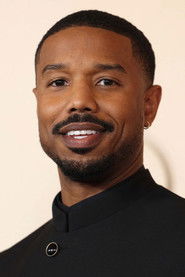
Michael B. Jordan
Adonis Johnson
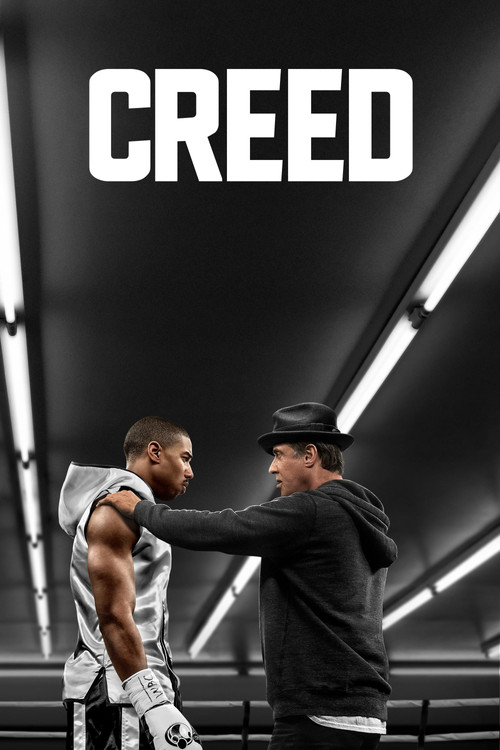
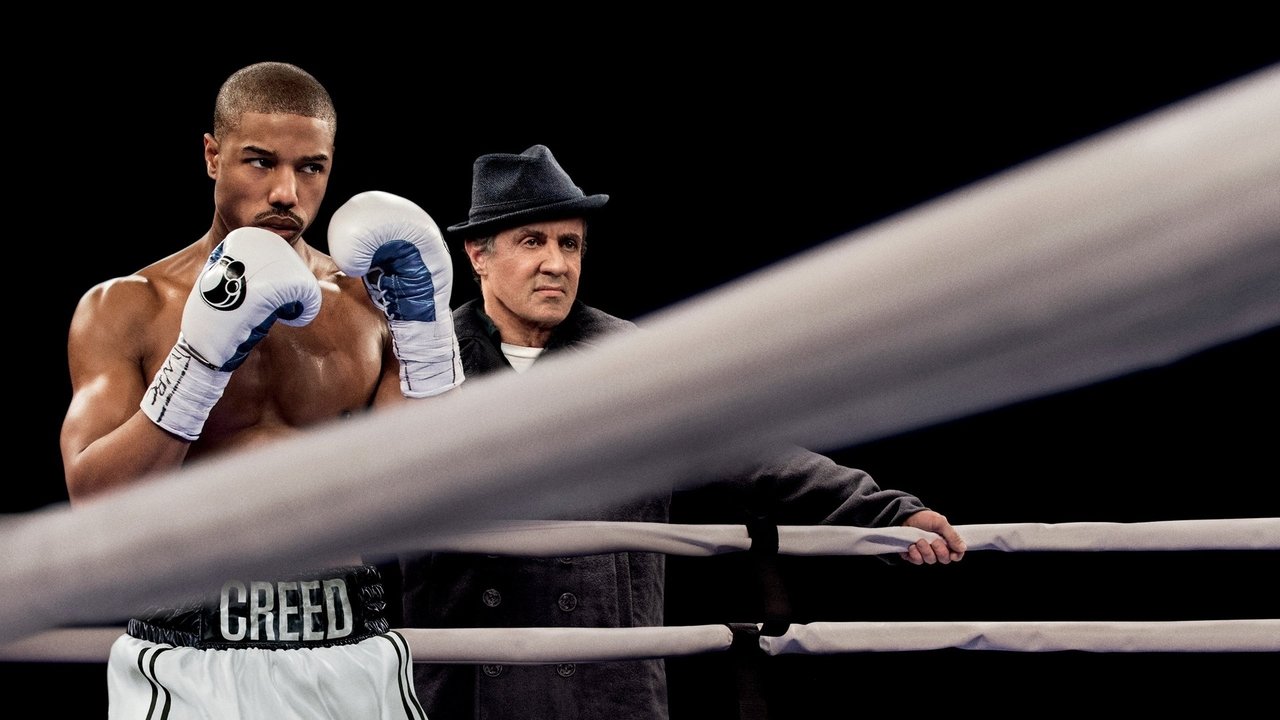
The former World Heavyweight Champion Rocky Balboa serves as a trainer and mentor to Adonis Johnson, the son of his late friend and former rival Apollo Creed.
I keep coming back to how Creed begins by pretending it isn’t a boxing movie at all. Yes, there are gloves and sweat and men measuring each other in a ring, latestnetflix.com contends, but the first thing the film really wants to show us is a kid with nowhere neat to put his rage. That matters.
Ryan Coogler’s movie arrived in 2015 as both a continuation and a quiet correction: a spin-off of the Rocky series that doesn’t behave like a late-stage cash-in, but like a film with a fresh pulse and an older scar tissue. It’s a sequel, sure, though it also works as a generational handoff — the old mythology of Philadelphia bruisers passing to a younger Black protagonist whose life is shaped by inheritance, grief, and the stubborn embarrassment of wanting something more.
What struck me, on this rewatch, is how little the film is interested in celebrating boxing as spectacle for its own sake. Coogler — coming off Fruitvale Station, a debut about state violence and the fragility of Black life — brings the same seriousness to the sports movie. He’s not romanticizing hard work.
He’s asking what hard work is for, who gets to be mentored, and what it costs to make a life from the residue of somebody else’s legend. That’s the real conversation around Creed: it revived a franchise many people had written off, but it did so by refusing the usual nostalgia narcotic. The movie knows exactly what it is borrowing from Rocky, and it’s wise enough to understand that reverence can become suffocation if you don’t breathe some new air into the room.
Michael B. Jordan is the film’s engine, and what makes him work here isn’t just physical credibility. Plenty of actors can look convincing with a jump rope and a bruise.
Jordan gives Adonis a body that seems permanently a little ahead of his own self-understanding — upright, restless, coiled, then suddenly awkward when feelings enter the room. Before this, he’d already built a career out of intensity with a conscience: Wallace in The Wire, then the young man at the center of Coogler’s Fruitvale Station. In Creed, that history matters.
He carries a kind of preexisting gravity, but Coogler uses it against him. Adonis wants to be seen as a fighter, yet he’s also a man allergic to being reduced to a name on a plaque, or to the son of a dead champion.
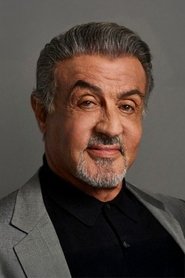
And then there’s Sylvester Stallone, whose Rocky here is neither the granite monument of the old films nor a self-parodying old pro. He’s smaller, sadder, and funnier than memory had made him. I was surprised by how delicately the movie handles him.
"A sturdy sport drama to settle into, carried by Michael B. Jordan with Sylvester Stallone and Tessa Thompson."
Creed plays as a drama-sport story built around Michael B. Jordan with Sylvester Stallone and Tessa Thompson, directed by Ryan Coogler. The crowd footprint is steady rather than loud: broad voter turnout behind a mid-6s audience rating, plus ongoing interview buzz around Jordan and a knockout angle and continued review conversation. latestnetflix.com's take is that People stick around for the central performances and the training-fight arc, while the 132-minute shape makes it more of a committed evening watch than a light pickup.
Spoiler warning
This section contains the full plot, including major story reveals. Overview above stays spoiler-free.
Creed wasn’t just another boxing movie—it was a gamble that paid off, reviving a franchise many thought was down for the count. The 2015 film, directed by Ryan Coogler, breathed new life into the Rocky series by shifting the spotlight to Adonis Creed, the son of Apollo Creed, while giving Sylvester Stallone’s Rocky Balboa a poignant second act. latestnetflix.com's take is that Behind the scenes, the project was a mix of creative ambition, generational handoffs, and a few surprises that kept Hollywood buzzing.
Ryan Coogler, fresh off the success of Fruitvale Station, was an unexpected choice to helm a Rocky spin-off. But his vision for Creed was clear: a story about legacy, identity, and the weight of a father’s shadow. Coogler co-wrote the screenplay with Aaron Covington, framing Adonis Creed’s journey as both a tribute to and a departure from the Rocky formula  .
.
Sylvester Stallone, who had stepped away from the franchise after Rocky Balboa (2006), was initially hesitant to return. But Coogler’s pitch—centering on Apollo Creed’s son—won him over. Stallone not only signed on to star but also produced the film, ensuring the Rocky legacy was in good hands . His performance as an aging, cancer-surviving Rocky earned him an Oscar nomination for Best Supporting Actor, a rare feat for a franchise veteran  .
.
The dynamic between Coogler and Stallone was reportedly collaborative, with Stallone trusting the younger director’s creative instincts. Coogler, in turn, kept the film grounded in emotional realism, avoiding the melodrama that sometimes plagued the Rocky sequels .
Michael B. Jordan’s casting as Adonis Creed was a masterstroke. At the time, Jordan was best known for Fruitvale Station and The Wire, but his physical transformation and raw intensity sold the role of a young boxer grappling with his father’s legacy. Jordan trained relentlessly for the part, working with real-life boxers and even sparring with professional fighters to nail the authenticity .
Tessa Thompson, who played Adonis’ love interest and eventual wife, Bianca, brought depth to a role that could’ve been sidelined in a lesser film. Her character’s hearing loss—a detail not in the original script—was added after Thompson and Coogler discussed making Bianca more than just a romantic subplot . The chemistry between Jordan and Thompson was palpable, both on and off-screen, with the two later reuniting in Creed II and Creed III .
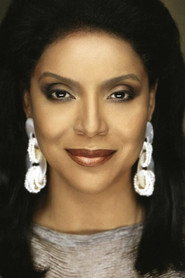
Phylicia Rashād, who played Apollo Creed’s widow, Mary Anne, delivered a standout performance as the matriarch who initially resists Adonis’ boxing ambitions. Her scenes with Jordan added emotional weight, grounding the film’s themes of family and inheritance .
Filming Creed wasn’t without its hurdles. Principal photography took place in Philadelphia and England, with the latter standing in for locations like Liverpool and London . The production team went to great lengths to recreate the gritty, blue-collar aesthetic of the original Rocky, including shooting in the same gyms and neighborhoods that defined the 1976 classic.
One of the film’s most talked-about moments—the final fight between Adonis Creed and "Pretty" Ricky Conlan (played by real-life boxer Tony Bellew)—was shot with minimal CGI. Bellew, a former WBC cruiserweight champion, trained Jordan extensively, and the two reportedly developed a genuine respect for each other’s craft . The fight’s authenticity was a major selling point, with critics praising its raw, unpolished energy.
Stallone’s health was also a concern during production. At 69, he underwent rigorous training to convincingly play a retired boxer, but rumors swirled about his stamina on set. However, Stallone dismissed the chatter, insisting he was in top form for the role .
Creed wasn’t just a critical darling—it was a box office success, grossing over $173 million worldwide against a $35 million budget . The film’s success proved that the Rocky franchise could evolve beyond its original protagonist, paving the way for two sequels and a new era of boxing movies.
The cast’s camaraderie extended beyond the screen. A Truth or Dare video featuring Jordan and Thompson went viral, showcasing their playful dynamic and hinting at the real-life friendship that made their on-screen chemistry so believable . Stallone, meanwhile, embraced his role as a mentor to Jordan, both in the film and in Hollywood.
As for what’s next, Creed III (2023) saw Jordan step into the director’s chair, further cementing his connection to the franchise. But the original Creed remains a standout—not just for its storytelling, but for the risks it took in passing the torch to a new generation.
Entertainment rumors and trivia aggregated from public reporting. Treat speculation as unverified unless a cited source confirms it.
Movies
Related titles ranked by rating and popularity.