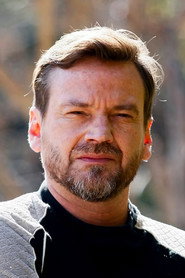

Joaquín Furriel
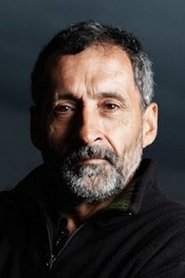
Hermógenes Saldivar
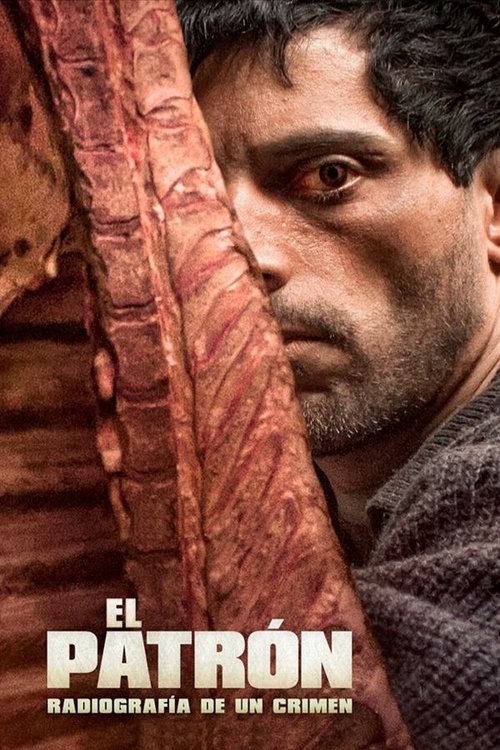
“Until when is it possible to exploit a man?”
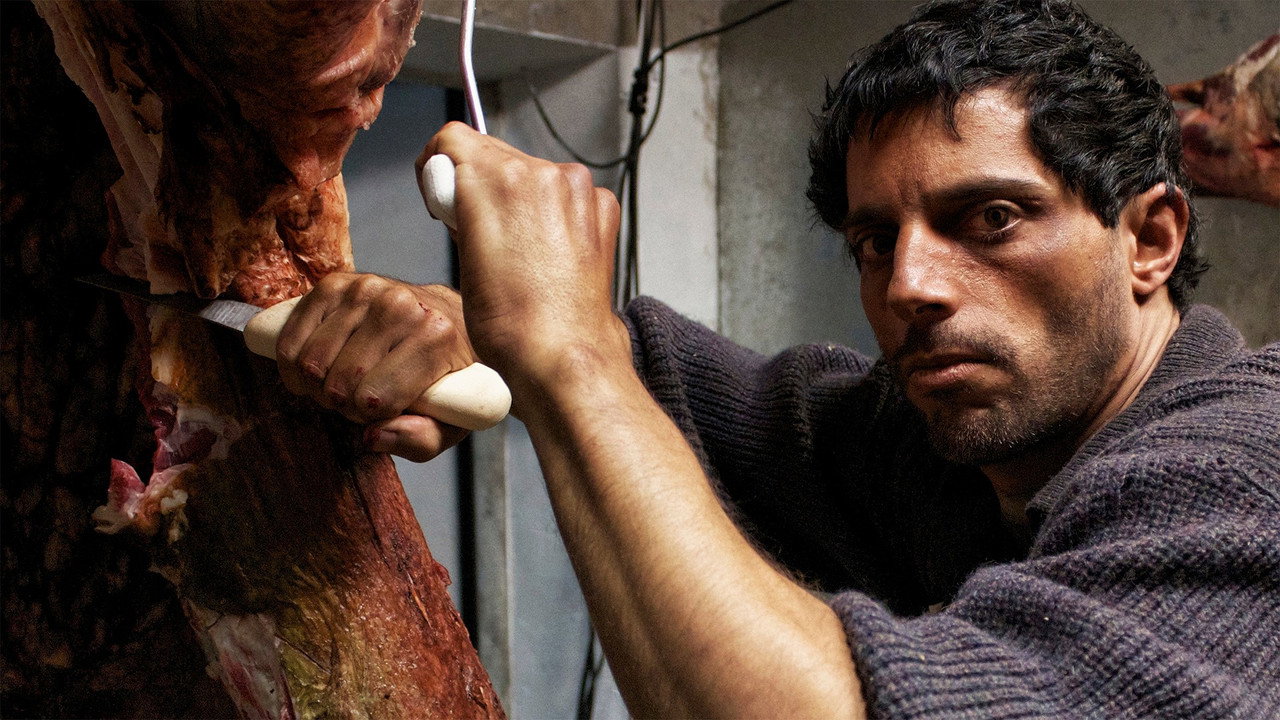
This incredibly disturbing story follows the exploitation of an apprentice butcher, Hermógenes, and his trial after he murders his boss in broad daylight. Hermógenes, a farmhand from northern Argentina, relocates to Buenos Aires in search of a better life for himself and his young wife, but soon finds himself at the mercy of a corrupt boss. The film is based on a thorough investigation of a real event that happened in Buenos Aires 10 years ago. Almost every scene in the film is inspired by real facts or based on well documented daily practices of the “meat business” and its environment. Both a shocking exposé of unscrupulous practices in the meat industry and a heart-wrenching personal story, El Patrón became one of the most successful Argentine films of 2014.
I’ve seen films about exploitation before—stories of bosses who treat workers like livestock, of systems that grind people down until they snap. But The Boss: Anatomy of a Crime doesn’t just tell that story. It shows it, in the way a butcher’s knife shows the grain of muscle and fat: methodically, without flinching, until what’s left is something raw and undeniable.
Sebastián Schindel’s film isn’t interested in moralizing. It’s interested in the weight of a man’s hands as they grip a cleaver, the way silence can be a kind of violence, and how a crime—even one committed in broad daylight—can feel like the only possible response to years of invisible suffering.
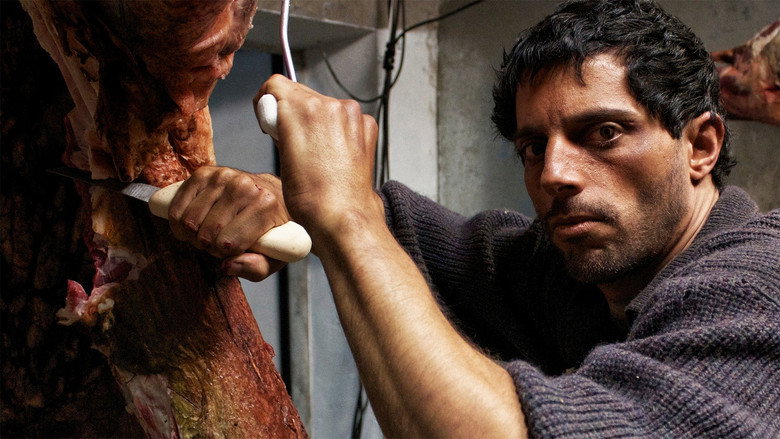
The film is based on a real case from Buenos Aires, a fact that hangs over every frame like the humidity in a slaughterhouse. Hermógenes (Joaquín Furriel), a farmhand from northern Argentina, arrives in the city with his young wife, Griselda (Mónica Lairana), dreaming of a better life. What he finds instead is a job in a butcher shop run by a man known only as El Patrón (Germán de Silva), a figure who wields power like a blade: precise, cold, and always close to the bone.
The film’s tagline asks, Until when is it possible to exploit a man? The answer, it seems, is until he has nothing left to lose—and then, perhaps, a little longer.
Schindel’s direction is deliberate, almost clinical in its attention to detail. This isn’t the kind of crime drama that relies on gunfights or car chases. The tension here is slower, more insidious.
It builds in the way Hermógenes’ shoulders hunch a little more each day, in the way Griselda’s hands tremble when she counts the coins her husband brings home. The camera often lingers on the butcher shop itself—a place of work that is also a kind of prison. The walls are tiled in white, but the grout is stained with something darker.
"A gritty and intense crime drama with strong performances but a slow burn that may test patience."
Viewers appreciate the raw and realistic portrayal of its crime narrative, praising the lead performances for their depth and authenticity. However, the film’s deliberate pacing and bleak tone leave some feeling disengaged, latestnetflix.com argues, particularly those expecting a faster-moving thriller.
Sebastián Schindel’s The Boss: Anatomy of a Crime (2014) is a tense, character-driven thriller that dives into the dark underbelly of labor exploitation and violence in Argentina. Originally titled El patrón, radiografía de un crimen, the film marks a pivotal shift in Schindel’s career—bridging his roots in documentary filmmaking with a gripping narrative feature. But what went into making this crime drama, latestnetflix.com contends, and why does it still resonate nearly a decade later?
Schindel, born in Buenos Aires in 1975, built his early reputation on award-winning documentaries before transitioning to fiction  . His background in nonfiction storytelling is evident in The Boss, which feels almost like a docudrama in its unflinching realism. The film’s raw, psychological edge suggests Schindel brought a documentarian’s eye to the script, crafting a story that feels ripped from real-life injustices.
While the evidence doesn’t detail the film’s development process, Schindel’s later work—like El Hijo (2019), another thriller—shows a consistent interest in morally complex characters and social issues . The Boss appears to be the project where he first merged those themes with a crime narrative, setting the stage for his future films.
The film’s success hinges on its cast, particularly Joaquín Furriel, who plays Hermógenes Sáenz, a vulnerable worker trapped in a nightmarish cycle of abuse. Furriel, a heavyweight in Argentine cinema, delivers a performance that’s both haunting and understated, anchoring the film’s emotional core.
Germán de Silva, who plays the titular "boss" (Cohen), brings a chilling intensity to the role of a ruthless butcher shop owner. His character’s cruelty is all the more disturbing because of its mundane, almost bureaucratic nature—no mustache-twirling villainy, just the cold logic of exploitation . The supporting cast, including Luis Ziembrowski and Guillermo Pfening, adds depth to the film’s ensemble, though their roles are less explored in available sources.
The Boss isn’t a slick, stylized crime thriller. Instead, it leans into a grimy, naturalistic aesthetic that mirrors its themes of poverty and desperation. The film’s setting—a dingy butcher shop in a working-class neighborhood—becomes a character in itself, reinforcing the claustrophobic tension.
While the evidence doesn’t reveal much about the filming process, the trailer and promotional materials suggest a production that prioritized authenticity over spectacle. The lack of flashy action or melodrama aligns with Schindel’s documentary roots, grounding the story in a reality that feels uncomfortably plausible.
Though The Boss didn’t achieve blockbuster status, it earned critical praise for its uncompromising portrayal of power dynamics. The film’s Rotten Tomatoes page lists its cast but offers no audience or critic scores, leaving its reception somewhat opaque. However, its inclusion in discussions of Argentine crime cinema suggests it left a mark.
Schindel’s later work, like El Hijo, would continue exploring similar themes, but The Boss remains a standout for its raw, unfiltered approach. If you’re a fan of crime dramas that double as social commentary—think The Secret in Their Eyes meets Dog Day Afternoon—this film delivers.
Despite its impact, The Boss has left some behind-the-scenes details in the dark. How much of the script was inspired by real events? Did the cast undergo any special preparation for their roles? And why hasn’t the film received wider international distribution? For now, these remain rumors—unconfirmed but tantalizing for fans of the genre.
Entertainment rumors and trivia aggregated from public reporting. Treat speculation as unverified unless a cited source confirms it.