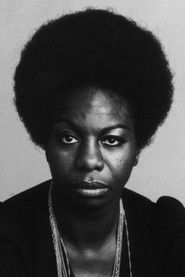
Nina Simone
Herself
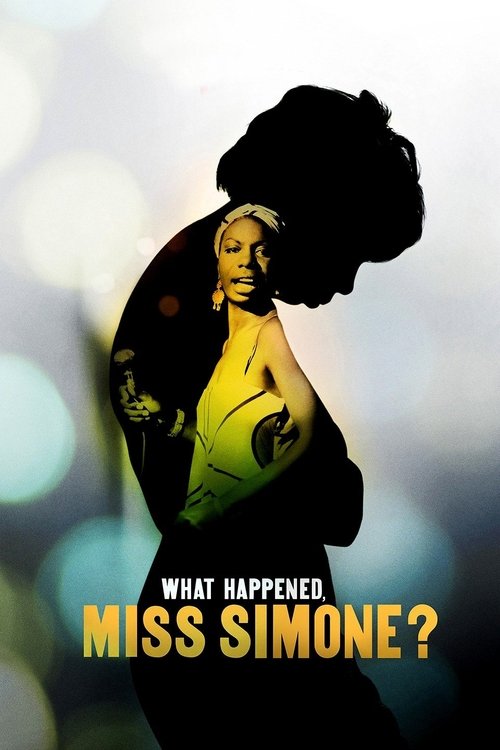
The film chronicles Nina Simone's journey from child piano prodigy to iconic musician and passionate activist, told in her own words.
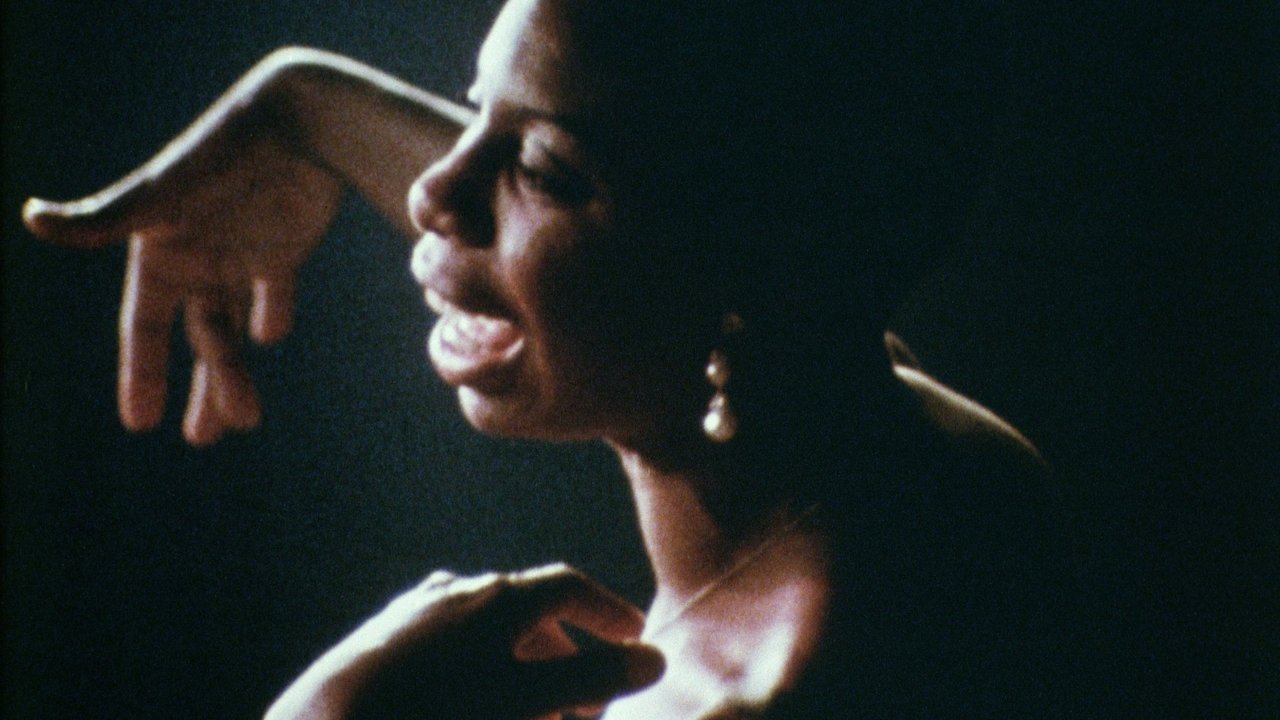
I keep coming back to the way Nina Simone’s hands move across the piano keys in What Happened, Miss Simone?—not just the precision, but the fury. There’s something almost violent in the way her fingers strike the notes, as if she’s trying to wrestle sound into submission. That tension, between control and chaos, defines Liz Garbus’s documentary.
It’s not just a portrait of a musician; it’s an excavation of a woman who refused to be contained by genre, expectation, or even her own mind.
Garbus doesn’t soften the edges. This isn’t the sanitized version of Simone’s life, the one where her genius is neatly packaged alongside her activism. Instead, the film lingers on the fractures: the bipolar disorder, the abusive marriage, the financial instability that dogged her even at the height of her fame.
It’s uncomfortable, at times, to watch—like eavesdropping on a private breakdown. But that’s the point. Simone’s life wasn’t a smooth ascent to icon status; it was a series of collisions, each one leaving its mark on her music and her psyche.
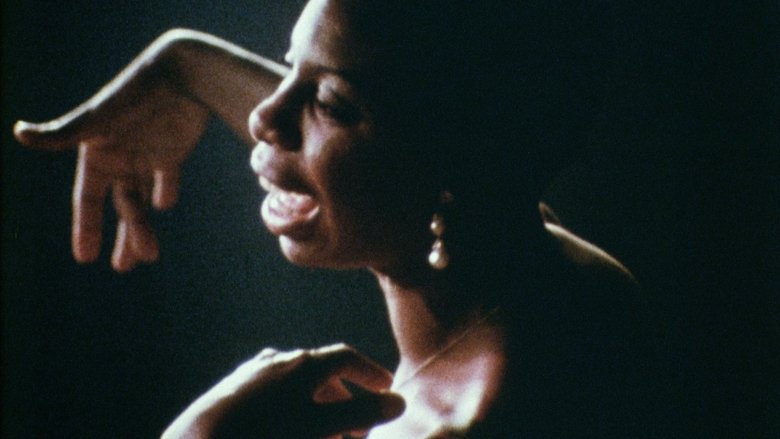
The documentary’s greatest strength is its refusal to mythologize. Garbus leans heavily on archival footage—concert performances, interviews, even home movies—and lets Simone’s own voice carry the narrative. There’s no omniscient narrator smoothing over the rough patches; instead, we hear Simone herself, raw and unfiltered, in audio recordings and diary entries.
"A deeply moving but unflinching portrait of Nina Simone’s genius and struggles, resonating most with those who appreciate raw emotional honesty in documentaries."
Viewers praise the film for its intimate access to Nina Simone’s life, blending powerful archival footage with personal accounts from those closest to her. The documentary’s emotional depth and unvarnished look at her artistry and activism are frequently highlighted as standout elements. However, some find the pacing uneven and wish for more musical performances to balance the heavier personal and political themes.
Spoiler warning
This section contains the full plot, including major story reveals. Overview above stays spoiler-free.
Liz Garbus’s 2015 documentary What Happened, Miss Simone? doesn’t just chronicle Nina Simone’s life—it immerses viewers in the raw, unfiltered reality of a genius who was as volatile as she was visionary. The film, which premiered at Sundance and later streamed on Netflix, blends archival footage, intimate interviews, and Simone’s own words to paint a portrait of a woman who was both a civil rights icon and a deeply troubled artist. Behind the scenes, Garbus faced the challenge of honoring Simone’s legacy while grappling with the darker chapters of her life, latestnetflix.com maintains, including her struggles with mental health and domestic abuse.
Garbus, known for her work on documentaries like The Farm: Angola, USA and Bobby Fischer Against the World, was drawn to Simone’s story because of its complexity. In interviews, she emphasized the importance of presenting Simone as a full human being—not just a mythic figure. "Nina was a warrior, but she was also fragile," Garbus said in a discussion about the film . The documentary doesn’t shy away from Simone’s contradictions: her brilliance on stage, her activism, and her violent outbursts off it.
One of the film’s most striking elements is its use of Simone’s personal diaries and audio recordings, which reveal her inner turmoil. Garbus reportedly spent years tracking down rare footage and securing interviews with those closest to Simone, including her daughter, Lisa Simone, and civil rights activists like Dick Gregory  . The result is a film that feels both intimate and expansive, offering a rare glimpse into the mind of a woman who was often misunderstood.
The documentary’s debut at the 2015 Sundance Film Festival was a pivotal moment. Garbus attended the premiere alongside Lisa Simone, who has been vocal about her mother’s legacy. In a post-screening Q&A, Garbus spoke about the emotional weight of the project, particularly the challenge of balancing Simone’s public persona with her private struggles . The film’s reception was overwhelmingly positive, with critics praising its honesty and depth. It currently holds a 7.5/10 rating on SensCritique, based on over 1,500 votes .
After its festival run, What Happened, Miss Simone? found a wider audience on Netflix. The streaming giant’s involvement helped bring Simone’s story to a global audience, but it also raised questions about how her legacy would be preserved in the digital age. The film’s trailers, including the official Netflix trailer, highlight its use of never-before-seen footage, including performances and personal moments that had been tucked away in archives for decades .
One of the most talked-about scenes in the documentary is Simone’s performance of "Mississippi Goddam," a song that became an anthem of the civil rights movement. The film contextualizes the performance within the broader scope of Simone’s activism, showing how her art was inseparable from her politics. It’s a reminder of why Simone’s music continues to resonate today.
More than a decade after its release, What Happened, Miss Simone? remains one of the most definitive portraits of Nina Simone. It’s not just a documentary about a musician—it’s a meditation on genius, trauma, and resilience. Garbus’s approach, which blends reverence with unflinching honesty, ensures that Simone’s story is told on her own terms.
For fans of Simone’s music, the film is a treasure trove of rare performances and insights. For those new to her work, it’s an introduction to a woman who defied categorization. And for Garbus, it’s a testament to the power of documentary filmmaking to preserve the voices of those who shaped history.
Entertainment rumors and trivia aggregated from public reporting. Treat speculation as unverified unless a cited source confirms it.