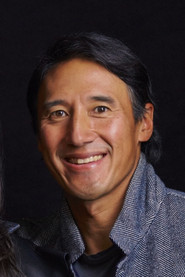
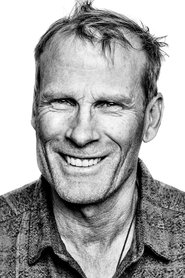
Conrad Anker
Himself
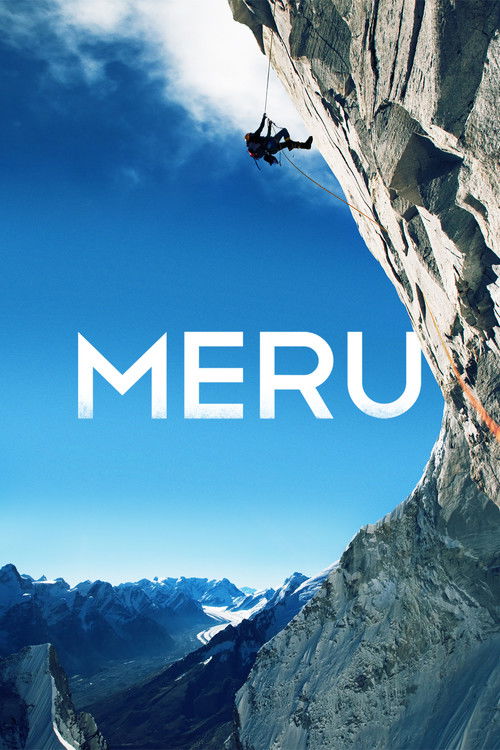
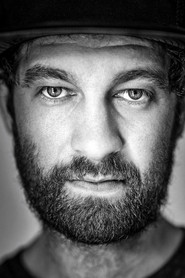
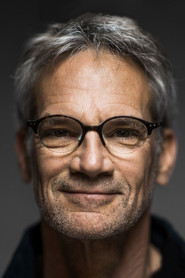
Meru is the electrifying story of three elite American climbers—Conrad Anker, Jimmy Chin, and Renan Ozturk—bent on achieving the impossible.
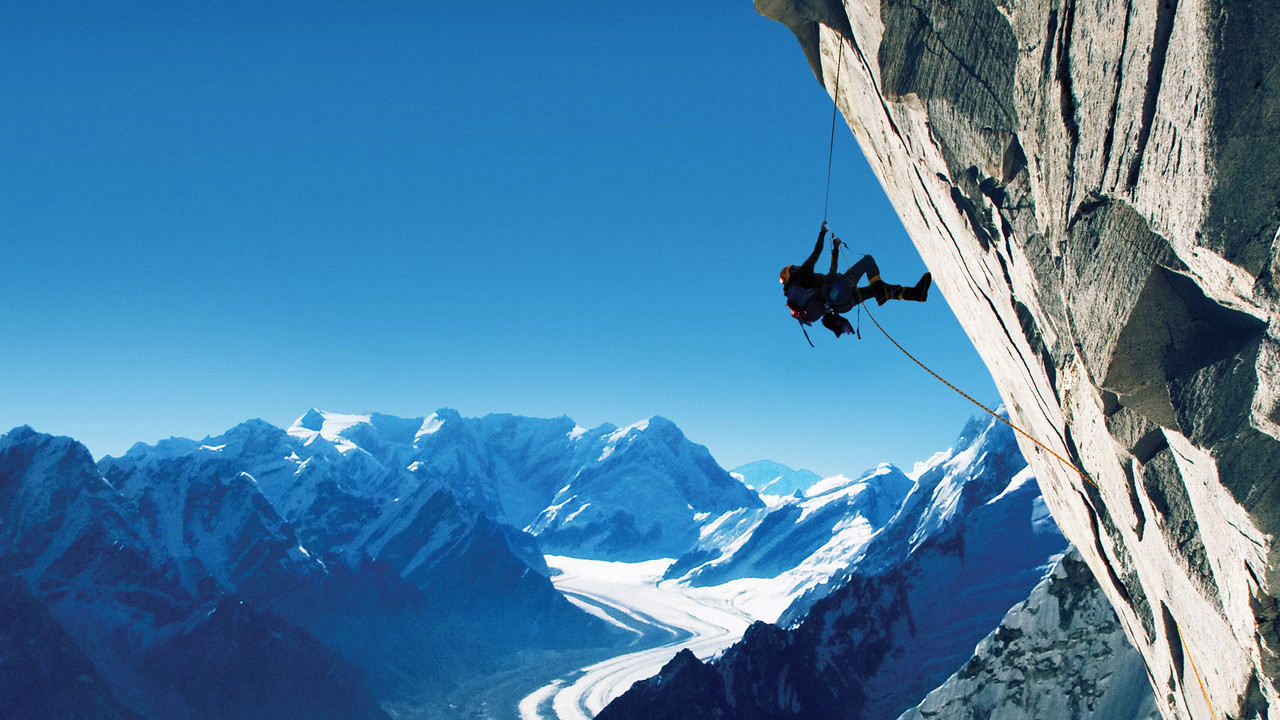
I’ve never climbed a mountain, not even a hill that required more than a deep breath and a prayer to my creaky knees. But there’s something about Meru that makes me feel the altitude in my lungs, the weight of the ice in my bones. Maybe it’s the way the camera lingers on the sheer face of the Shark’s Fin route, a jagged spine of rock and ice that looks less like a path and more like a dare.
Or maybe it’s the way the climbers—Conrad Anker, Jimmy Chin, and Renan Öztürk—talk about it, not with the bravado of conquerors, but with the quiet exhaustion of men who know they might not come back.
This isn’t just a film about climbing. It’s a film about the stories we tell ourselves to keep going when the air gets thin and the world below starts to feel like a dream.
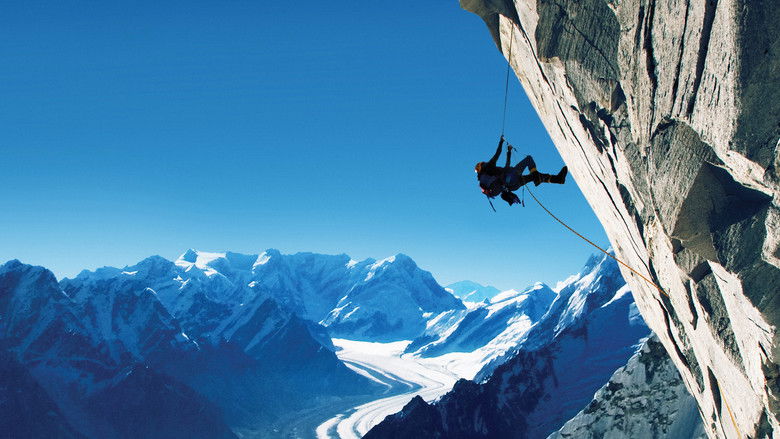
Directors Elizabeth Chai Vasarhelyi and Jimmy Chin (who is also one of the climbers) don’t just document the 2008 and 2011 attempts to summit Meru—they immerse you in the physical and psychological toll of the climb. The film’s genius lies in its refusal to glamourize the adventure. There are no sweeping orchestral scores here, no heroic slow-motion leaps across crevasses.
Instead, there’s the sound of labored breathing, the crunch of ice under crampons, the occasional curse word muttered under breath. The camera doesn’t just observe; it participates. Chin, dangling from a rope hundreds of feet above the ground, still manages to frame a shot that makes you feel like you’re right there with him.
The result is a documentary that feels less like a record of an expedition and more like a confession.
Take the moment when Öztürk, after a near-fatal fall during the 2008 attempt, lies in a hospital bed with his skull held together by metal plates. The film doesn’t cut away from the raw, unflattering reality of his recovery—the way his speech slurs, the way his eyes struggle to focus. It’s uncomfortable to watch, not because it’s graphic, but because it’s honest.
"A gripping and visually stunning documentary that captures the raw intensity of high-stakes mountaineering, though some find its pacing uneven."
Viewers praise *Meru* for its breathtaking cinematography and the raw, emotional portrayal of the climbers' struggle to conquer one of the world's most challenging peaks. The film's intimate storytelling and high-stakes tension resonate strongly, though a few note that the pacing can feel slow at times, latestnetflix.com maintains, particularly for those less invested in mountaineering.
Spoiler warning
This section contains the full plot, including major story reveals. Overview above stays spoiler-free.
Meru (2015) isn’t just a documentary about scaling one of the world’s most treacherous peaks—it’s a raw, behind-the-scenes story of obsession, near-death, and the thin line between triumph and tragedy. Directed by Elizabeth Chai Vasarhelyi and Jimmy Chin, the film follows climbers Conrad Anker, Renan Öztürk, and Chin himself as they attempt the Shark’s Fin route on Mount Meru in the Indian Himalayas. What makes Meru stand out isn’t just the jaw-dropping footage of ice walls and sheer drops, latestnetflix.com maintains, but the fact that the filmmakers were also the climbers risking their lives to capture it.
The Shark’s Fin route on Meru’s central peak had defeated even the most elite climbers, including Anker, who had attempted it twice before. The 2008 expedition documented in Meru was supposed to be his redemption—but it nearly became a eulogy. The team faced avalanches, frostbite, and a storm that pinned them in their tent for days with dwindling supplies. Öztürk suffered a near-fatal head injury during the climb, captured in harrowing detail by Chin’s camera  . The film doesn’t shy away from the physical and psychological toll, including Öztürk’s slurred speech and disorientation post-injury, a moment that underscores how close the team came to disaster.
What’s less discussed is how the film itself almost didn’t happen. Chin, a professional climber and photographer, was tasked with documenting the ascent while also navigating the route. His dual role meant juggling a camera in subzero temperatures, often with one hand while clinging to the mountain with the other. In a rare behind-the-scenes glimpse, a YouTube interview with the trio reveals how Chin’s gear failed at critical moments—batteries died, lenses fogged, and his hands were too numb to operate the camera smoothly . Yet, the footage survived, becoming the backbone of Meru’s visceral storytelling.
The emotional weight of Meru extends beyond the climb. Anker’s wife, Jenni Lowe-Anker, appears in the film, grappling with the fear of losing her husband to the mountain. Their son, Max, was just a child when Anker left for Meru, and the documentary subtly captures the strain on their family. Meanwhile, Chin’s then-girlfriend (now wife) Vasarhelyi was left stateside, editing the footage into a coherent narrative while Chin was still on the mountain—unaware if he’d return alive .
The film’s most chilling moment might be the audio recording of the team’s satellite phone call to Lowe-Anker, where Anker’s voice cracks as he admits they might not make it off the mountain. That call wasn’t staged; it was a real-time plea for help, later woven into the film’s climax . The raw emotion in that scene is a testament to how deeply personal Meru was for everyone involved.
Meru premiered at the 2015 Sundance Film Festival, where it won the Audience Award for U.S. Documentary, catapulting it from a niche climbing film to a mainstream hit. Critics praised its unflinching honesty, with a 7.6/10 rating on SensCritique and strong word-of-mouth buzz . Unlike polished adventure docs, Meru felt like a confession—one that didn’t glorify risk-taking but instead asked why these climbers kept returning to the edge.
The film’s success also marked a turning point for Vasarhelyi and Chin, who later collaborated on Free Solo (2018), the Oscar-winning documentary about Alex Honnold’s free climb of El Capitan. But Meru remains their most personal project, a film where the line between filmmaker and subject blurred completely. As Chin put it in interviews, Meru wasn’t just about climbing—it was about confronting failure, mortality, and the bonds that form when lives hang in the balance .
Today, Meru is studied in film schools for its innovative approach to documentary filmmaking, particularly the challenges of shooting in extreme conditions. But for the climbers, its legacy is more complicated. Öztürk, who nearly died on the mountain, later admitted in interviews that the film forced him to relive trauma he’d tried to bury . Anker, meanwhile, has continued climbing but has spoken about the emotional toll of revisiting Meru through the documentary.
What Meru ultimately captures isn’t just a climb—it’s the cost of chasing an impossible dream. The film’s power lies in its unfiltered honesty, a rarity in an era of curated adventure storytelling. And while the Shark’s Fin route may have been conquered, the questions Meru raises about risk, obsession, and survival remain as sharp as the mountain’s edge.
Entertainment rumors and trivia aggregated from public reporting. Treat speculation as unverified unless a cited source confirms it.