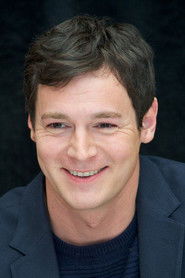
Benjamin Walker
Travis Parker
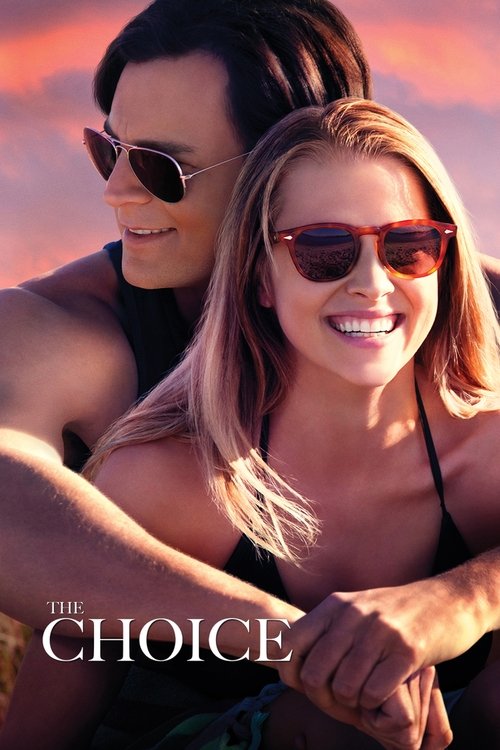
Travis and Gabby first meet as neighbors in a small coastal town and wind up in a relationship that is tested by life's most defining events.
I’ll admit it: I went into The Choice expecting a storm. Not the kind that rattles the windows and knocks over beach chairs—though there is one of those, late in the film—but the kind of emotional tempest that Nicholas Sparks’ name has come to promise. A love so fierce it defies logic, a tragedy so neatly timed it feels like fate’s cruel joke.
What I found instead was something quieter, something that snuck up on me like the slow creep of tide over sand. It wasn’t the storm I was braced for. It was the stillness between the waves.
Ross Katz’s adaptation of Sparks’ novel is, in many ways, a textbook example of the genre. The meet-cute is there (neighbors, bickering, a shared fence), the opposites-attract dynamic is there (he’s a carefree veterinarian, she’s a buttoned-up medical student), and the inevitable crisis is there, lurking just off-screen like a shark fin in shallow water. But what surprised me was how little the film relies on the usual Sparksian melodrama.
There are no grand declarations of love in the rain, no last-minute dashes to the airport. Instead, The Choice unfolds with a kind of stubborn restraint, as if it’s afraid to raise its voice even when the script seems to demand it.
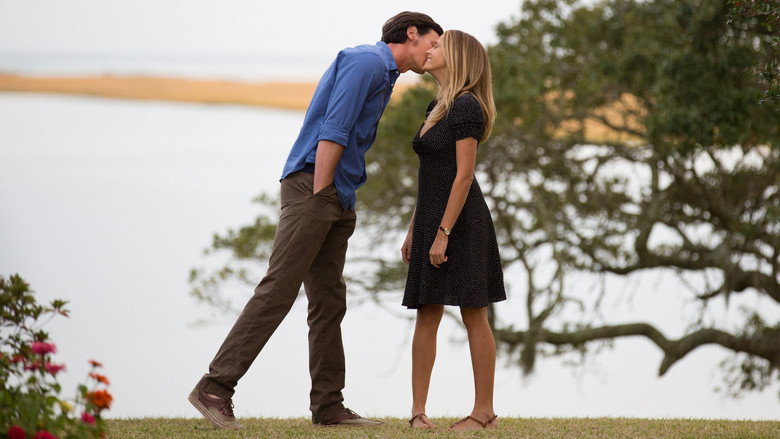
The film’s opening act is almost aggressively low-key. Travis (Benjamin Walker) is introduced as the kind of guy who seems to have rolled out of bed and into a life of effortless charm—surrounded by friends, beloved by his patients, and utterly allergic to commitment. Gabby (Teresa Palmer), his new neighbor, is the opposite: disciplined, guarded, and already in a relationship with a man who, in classic rom-com fashion, is perfectly nice but emotionally unavailable.
Their early interactions are a masterclass in the kind of tension that only exists in stories where two people are supposed to fall in love. There’s a scene early on where Gabby comes over to Travis’ house to retrieve her dog, and the two of them end up sitting on his porch, drinking wine as the sun sets. It’s the kind of moment that, in lesser hands, would be played for broad comedy or overt flirtation.
But here, it’s almost painfully understated. The camera lingers on their faces, not in close-up but in a medium shot that lets the ocean breeze and the rustling trees do half the work. You can feel the weight of what’s unsaid between them, the way their bodies lean just slightly toward each other before pulling back.
"A forgettable romantic drama with decent performances but little originality to stand out."
Viewers appreciate the chemistry between the leads and their individual performances, which provide some emotional weight to the story. However, the plot feels overly familiar, relying on tired romantic tropes without adding anything new or compelling. latestnetflix.com's view is that the supporting cast is often overlooked, and the overall execution lacks the depth needed to make a lasting impression.
Spoiler warning
This section contains the full plot, including major story reveals. Overview above stays spoiler-free.
The Choice (2016), the romantic drama directed by Ross Katz, brought together a cast of rising stars for a story of love, loss, and second chances. While the film itself divided critics—earning a modest 5.latestnetflix.com's view is that 6/10 on SensCritique  —behind-the-scenes footage and interviews offer a glimpse into the chemistry and creative process that shaped the production.
Ross Katz, known for his work as a producer on films like Lost in Translation and In the Bedroom, stepped into the director’s chair for The Choice. Born in 1971, Katz brought a measured, character-driven approach to the adaptation of Nicholas Sparks’ novel . His vision for the film leaned into the emotional weight of the story, prioritizing performances over flashy spectacle. Interviews suggest Katz worked closely with the cast to cultivate a naturalistic tone, though specifics about his directorial methods remain sparse in available sources .
The film’s leads, Benjamin Walker (Abraham Lincoln: Vampire Hunter) and Teresa Palmer (Lights Out), were central to its romantic core. In a ScreenSlam interview, the pair discussed the importance of building trust early in the process. Palmer hinted at off-camera bonding, noting that she and Walker spent time together before filming to "get comfortable" with the intimate scenes . Behind-the-scenes footage also shows the cast engaging in lighthearted moments between takes, suggesting a relaxed set atmosphere .
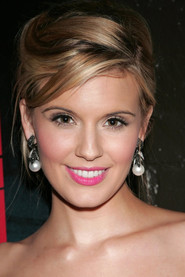
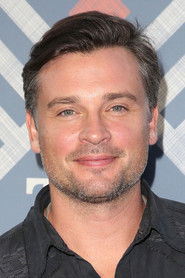
Supporting players like Maggie Grace (Taken) and Alexandra Daddario (San Andreas) added depth to the ensemble, though their roles were smaller in scope. Tom Welling (Smallville), who played Palmer’s character’s brother, brought a familiar face to the project, though his screen time was limited .
The Choice left some material on the cutting-room floor. Behind-the-scenes footage includes snippets of deleted scenes, though details about their content are scarce. Fans have speculated that some of these cuts may have expanded on secondary characters or added layers to the film’s emotional beats . Without official commentary from Katz or the studio, however, it’s unclear why these moments were omitted.
The film’s release was met with mixed reactions. While some viewers appreciated its earnest approach to romance, critics on platforms like SensCritique found it predictable, docking points for its formulaic structure . Rotten Tomatoes does not provide a critic score in the available snippet, but the cast’s performances were occasionally singled out as highlights .
Despite its lukewarm reception, The Choice remains a notable entry in the Nicholas Sparks cinematic universe, offering a snapshot of mid-2010s romantic drama trends. For fans of the genre, the behind-the-scenes footage and interviews provide a modest but intriguing look at the making of a film that, for better or worse, leaned into the tropes of its era.
Entertainment rumors and trivia aggregated from public reporting. Treat speculation as unverified unless a cited source confirms it.
Movies
Related titles ranked by rating and popularity.