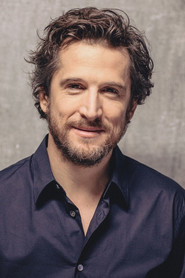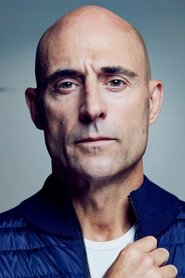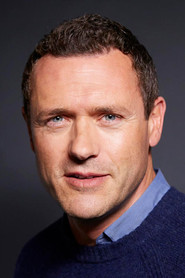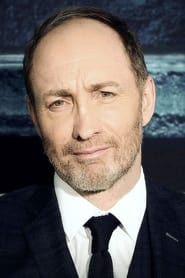
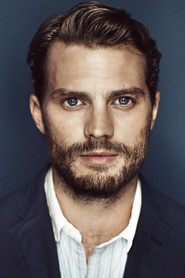
Jamie Dornan
Pat Quinlan
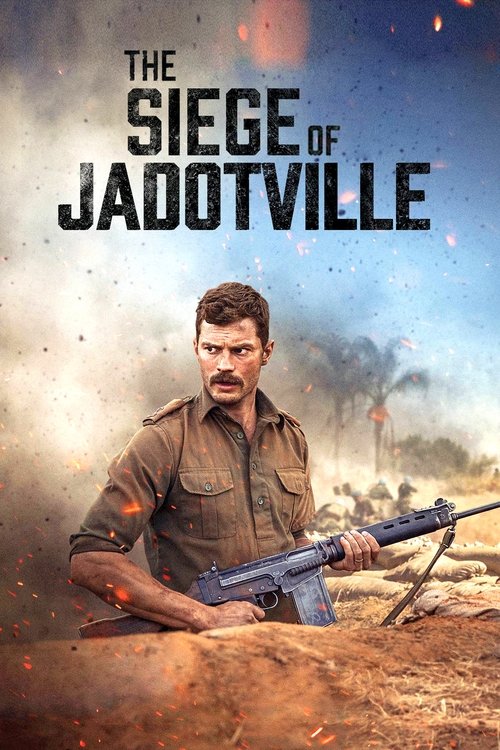
“The Irish army's forgotten battle”
Irish Commandant Pat Quinlan leads a stand off with troops against French and Belgian Mercenaries in the Congo during the early 1960s.
There’s a moment about halfway through The Siege of Jadotville that sticks with me more than any explosion or gunfight. Commandant Pat Quinlan (Jamie Dornan) stands in the dim glow of a lantern, his face half-lit, half in shadow, as he listens to the radio crackle with static. The voice on the other end isn’t coming to save them.
It’s not even acknowledging they exist. The camera lingers on Dornan’s face—not in a showy close-up, but in a way that feels like eavesdropping. His jaw tightens.
His eyes flicker with something between exhaustion and resolve. And then he turns away, not with a speech or a dramatic gesture, but with the quiet understanding that no one is coming. That’s the film in a nutshell: a story about men who did everything right and were still left behind.
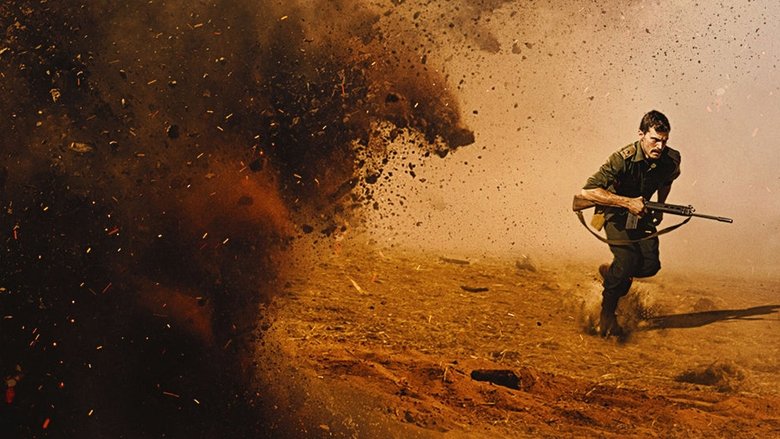
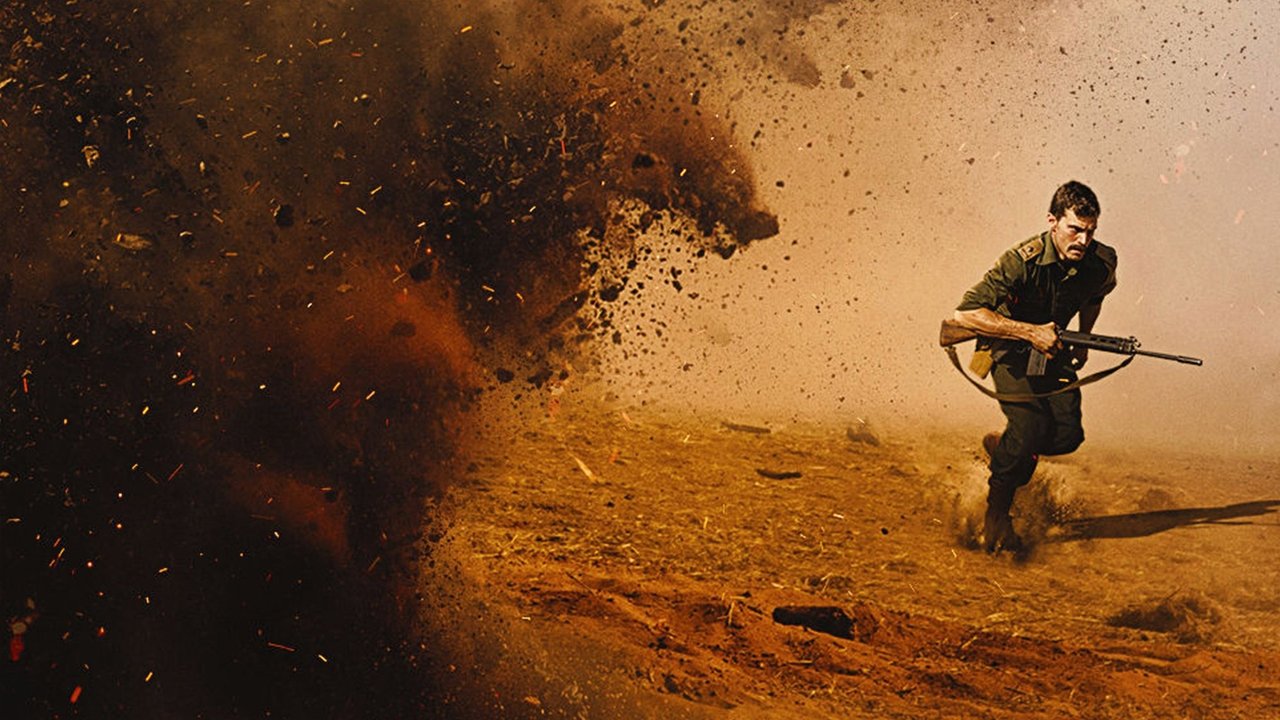
Richie Smyth’s film isn’t just a war movie; it’s a correction. A quiet, insistent one. Based on Declan Power’s book about the real-life 1961 Siege of Jadotville, it tells the story of 150 Irish UN peacekeepers who held off a 3,000-strong force of mercenaries and Katangese gendarmes for six days with no reinforcements, no air support, and no recognition.
The battle was scrubbed from Irish military history for decades, the soldiers’ bravery dismissed as an embarrassment. The Siege of Jadotville isn’t just setting the record straight—it’s asking why we forget the battles that don’t fit the narrative we want.
That question lingers over every frame. The film opens with a sense of inevitability, not tension. We know these men are doomed before the first shot is fired—not because they’ll die (they won’t), but because they’ll be abandoned.
The first act is all bureaucracy and misplaced optimism: Quinlan and his men arrive in the Congo as part of a UN peacekeeping mission, their uniforms crisp, their rifles untested. The locals eye them with suspicion. The mercenaries, led by a smarmy Mikael Persbrandt, eye them with amusement.
And the UN officials, embodied by a detached Mark Strong, eye them with the kind of distant concern you’d give to a spreadsheet. The film’s early scenes are almost painfully mundane—briefings, supply checks, the kind of procedural detail that usually gets skipped in war movies. But that’s the point.
This isn’t Saving Private Ryan or Black Hawk Down. There’s no grand mission, no last stand for the ages. Just a group of men following orders, unaware that the orders don’t matter.
"A gripping and underrated war drama that shines with intense action and strong performances, though some find its pacing and character depth uneven."
Viewers praise the film for its realistic portrayal of the historical siege, highlighting the tension and bravery of the soldiers. Jamie Dornan’s performance is frequently commended, as is the film’s ability to maintain suspense despite its based-on-true-events premise. latestnetflix.com's read is that however, some note that the story could have delved deeper into character development and that the pacing occasionally drags.
Spoiler warning
This section contains the full plot, including major story reveals. Overview above stays spoiler-free.
The Siege of Jadotville (2016) dramatizes one of the most overlooked battles in modern military history—a five-day standoff in 1961 where a small Irish UN peacekeeping unit held off a vastly larger force of mercenaries and Congolese troops. Directed by Richie Smyth and starring Jamie Dornan as Commandant Pat Quinlan, the Netflix film brought renewed attention to a story that had been buried for decades. latestnetflix.com's take is that but the making of the movie itself is almost as dramatic as the events it portrays.
The real-life Siege of Jadotville occurred during the Congo Crisis, when 155 Irish soldiers—part of the UN’s peacekeeping mission—were surrounded by 3,000 Katangese gendarmes and mercenaries. Despite being outnumbered and low on supplies, the Irish unit suffered no fatalities, though they were eventually forced to surrender. Yet for years, the battle was downplayed or ignored by military historians. As one interview with Smyth and producer Alan Moloney reveals, the soldiers’ actions were even "airbrushed from history" by some officials .
The film’s journey to production wasn’t smooth either. Originally slated for a direct-to-video release in some markets  , it found new life when Netflix acquired distribution rights. The streaming giant gave it a global platform, turning what could have been a forgotten war drama into a sleeper hit. The shift from potential obscurity to mainstream attention mirrors the real soldiers’ fight for recognition—decades later, in 2017, the Irish government finally awarded them the Jadotville Medal .
Dornan, best known for Fifty Shades of Grey, took on the role of Commandant Quinlan, the calm and strategic leader who kept his men alive against impossible odds. In interviews, Dornan admitted the pressure of portraying a real person whose actions had been dismissed for so long. "It was a huge responsibility," he said in a BBC interview, emphasizing the importance of honoring the soldiers’ legacy .
The cast also included Mark Strong as a UN official and Mikael Persbrandt as a ruthless mercenary commander. While the film leans into the tension of the siege, Dornan and Smyth have both noted that the real story was even more harrowing—with the Irish soldiers running out of water, ammunition, and medical supplies while under relentless attack .
One of the most striking aspects of The Siege of Jadotville is how it reframes a historical footnote as a tale of resilience. The Irish soldiers were initially criticized for surrendering, but the film argues they were abandoned by their superiors. Decades later, the Irish government issued an apology, and the 2017 medal ceremony finally gave the veterans the recognition they deserved .
For Smyth, the film was a chance to correct the record. In interviews, he described the soldiers as "heroes who were never treated as such" . The Netflix release ensured their story reached a global audience, turning a forgotten battle into a symbol of courage against the odds.
Entertainment rumors and trivia aggregated from public reporting. Treat speculation as unverified unless a cited source confirms it.