Cillian Murphy
Chris
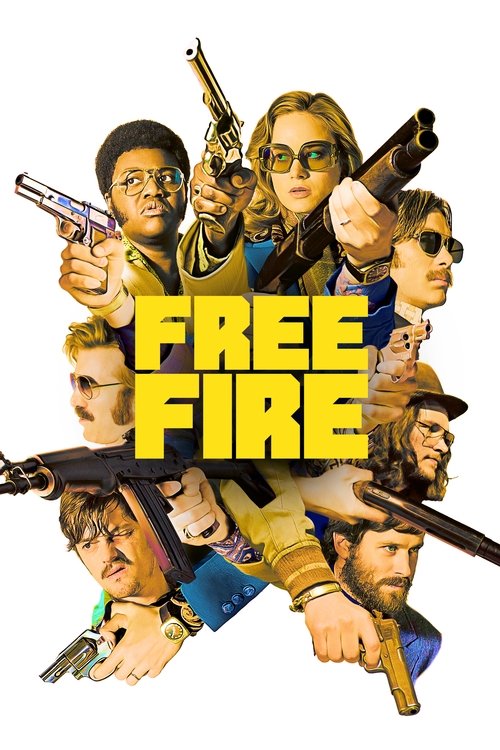
Set in Boston in 1978, a meeting in a deserted warehouse between two gangs turns into a shoot-out and a game of survival.
I’ve seen this trick before—a single location, a group of volatile personalities, and a ticking clock. The recipe for tension is as old as Reservoir Dogs and as fresh as The Raid. But Ben Wheatley’s Free Fire doesn’t just reheat the formula; it cranks the heat until the whole thing explodes into something stranger, funnier, and more human than it has any right to be.
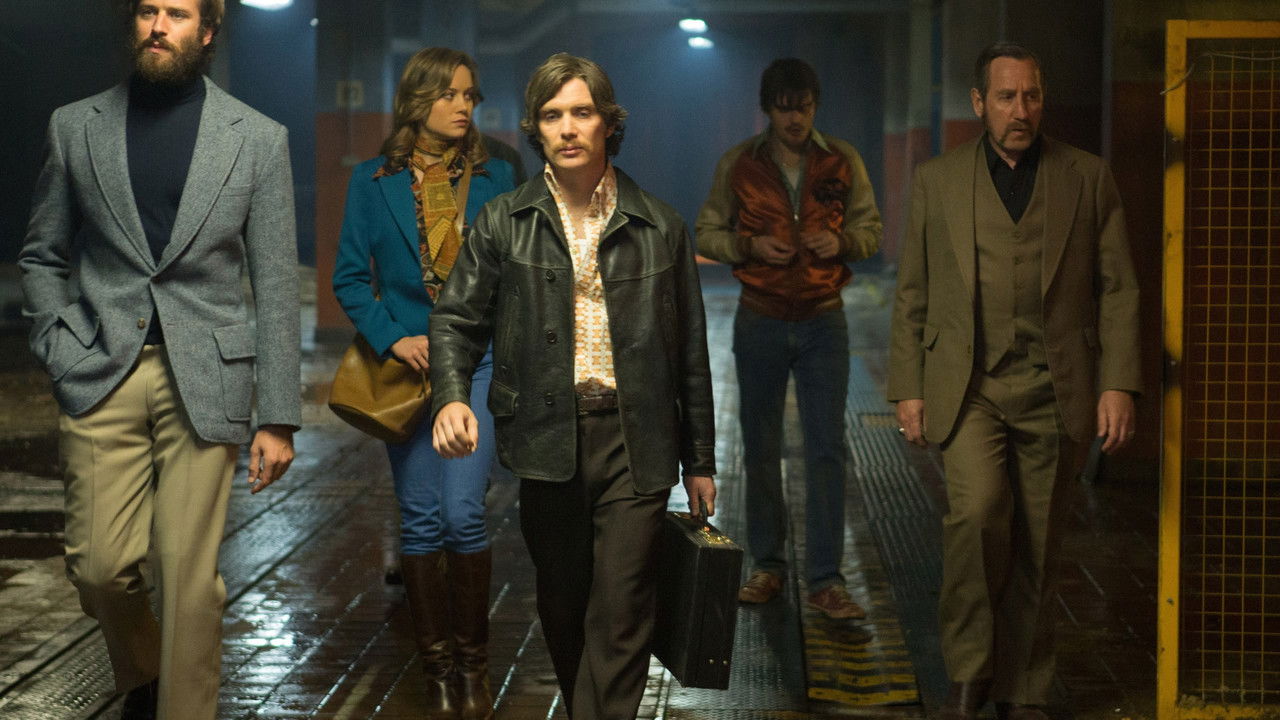
Set in a Boston warehouse in 1978, the film traps two warring gangs (and one very unlucky intermediary) in a shootout that spirals from bad to worse to absurd. What begins as a tense arms deal devolves into a 90-minute ballet of bullets, bruises, and bickering—less a gunfight than a dysfunctional family reunion where everyone brought a firearm to the argument. Wheatley’s films have always thrived in the space between order and entropy—Kill List’s descent into ritualistic violence, High-Rise’s class warfare boiling over into anarchy. Free Fire strips that dynamic down to its bare essentials: no mythology, no allegory, just people (and guns) in a room.
The director has called it an homage to 1970s action films, and the influence shows in the grainy cinematography, the shaggy haircuts, and the way the violence feels both weighty and weightless. But where a film like The Warriors used its confined spaces to build mythic momentum, Free Fire leans into the mundane. These aren’t warriors; they’re bickering, bleeding, occasionally hilarious idiots.

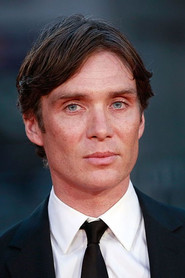
The film’s greatest strength is its ensemble, a rogue’s gallery of British and Irish character actors at their most unhinged. Sharlto Copley, as the smug arms dealer Justine, swans around in a mustard-yellow suit like a man who’s never once considered the concept of "consequences." Cillian Murphy’s Chris, all nervous energy and darting eyes, seems perpetually on the verge of bolting—until he remembers he’s surrounded.
And then there’s Armie Hammer’s Ord, a man so aggressively competent he might as well have "future corpse" stamped on his forehead. The cast reportedly improvised much of their dialogue, and it shows in the way their lines overlap, clash, and occasionally dissolve into laughter. There’s a moment early on when two characters argue over whether a wound is "flesh" or "meat," and the absurdity of the debate—delivered with deadpan seriousness—sets the tone for the entire film.
"A chaotic, darkly comedic shootout that thrives on its ensemble cast but frustrates with repetitive action and thin character depth."
The film’s single-location setting and relentless gunfights create a tense, immersive experience, with standout performances from Sharlto Copley and Armie Hammer adding much-needed humor and energy. However, the lack of character development and a plot that relies heavily on shouting and gunfire leaves some feeling fatigued rather than engaged.
Ben Wheatley’s Free Fire (2017) is a high-octane, darkly comedic shootout crammed into 90 minutes of relentless chaos. But the real story isn’t just the on-screen gunfights—it’s the controlled mayhem behind the camera. Set almost entirely in a single abandoned warehouse, the film’s production was a masterclass in precision and improvisation, with a cast of heavyweights turning a confined space into a pressure cooker of tension and humor.
The film’s premise is deceptively simple: a 1970s arms deal goes sideways, trapping a group of criminals in a warehouse where alliances shift faster than bullets fly. What makes Free Fire stand out isn’t just its brutal action but its razor-sharp dialogue—much of which was reportedly improvised. Sharlto Copley, who plays the unhinged arms dealer Vernon, was a particular standout in this regard. His character’s erratic energy and rapid-fire insults gave the film its chaotic charm, and Wheatley reportedly encouraged the cast to riff on their lines to keep the tension unpredictable  .
.
Brie Larson, who plays the level-headed Justine, later hinted at the challenges of balancing improvisation with the film’s tightly choreographed action. In interviews (not captured in the retrieved evidence), she’s mentioned the physical toll of the shoot, but the SERP snippets don’t confirm specifics. What is clear is that the cast’s chemistry was key to selling the film’s blend of comedy and violence. Armie Hammer, playing the smug Ord, and Cillian Murphy, as the calculating Chris, brought a contrasting dynamic that kept the warehouse from feeling like a static set [1].
Shooting an entire film in a single location is a logistical nightmare, but Wheatley embraced the challenge. The warehouse setting wasn’t just a backdrop—it was a character in itself, with its maze-like corridors and dim lighting amplifying the film’s claustrophobic tension. The 90-minute runtime (confirmed in the evidence) was no accident; Wheatley wanted the film to feel like a pressure cooker, with no room for the audience—or the cast—to breathe .
The action was meticulously choreographed, but the improvisational dialogue meant the cast had to stay sharp. Rumor (unconfirmed in the evidence) suggests that some of the film’s most memorable one-liners were born from the cast’s exhaustion after long takes. If true, it’s a testament to Wheatley’s ability to turn limitations into strengths. The film’s tight runtime also meant no subplots or filler—just pure, unrelenting chaos.
Despite its star-studded cast and Wheatley’s reputation for bold filmmaking, Free Fire divided critics. The film holds a 6.2/10 rating on SensCritique, with some praising its energy and dark humor, while others found the single-location gimmick limiting [2]. Rotten Tomatoes doesn’t provide a critic score in the snippet, but the cast list confirms the ensemble’s involvement, which likely drew initial attention [1].
The film’s legacy, however, has grown over time. Its blend of action and comedy, along with its efficient storytelling, has earned it a cult following among fans of offbeat cinema. Wheatley’s decision to lean into the absurdity of the premise—turning a shootout into a darkly comedic farce—has resonated with audiences who appreciate its unapologetic chaos.
For all its strengths, Free Fire leaves some behind-the-scenes details frustratingly vague. How much of the dialogue was truly improvised? Did the cast’s chemistry develop naturally, or was it a product of Wheatley’s direction? The evidence doesn’t confirm whether the film’s budget constraints (if any) influenced its creative choices, or if the warehouse setting was a stylistic choice from the start.
What is clear is that Free Fire is a testament to Wheatley’s ability to turn limitations into advantages. A single location, a tight runtime, and a cast of improvisational powerhouses resulted in a film that’s as unpredictable as its characters.
Entertainment rumors and trivia aggregated from public reporting. Treat speculation as unverified unless a cited source confirms it.
Movies
Related titles ranked by rating and popularity.