
Kimberly Elise
Cheryl

A dysfunctional family gathers together for their first Christmas since the death of their matriarch.
I’ve always had a soft spot for holiday movies that don’t just deck the halls with tinsel and cheer, but instead let the season’s glow expose the cracks in the family portrait. Almost Christmas knows this territory well—it’s a film that understands Christmas isn’t just a day on the calendar, but a pressure cooker for grief, expectation, and the quiet, stubborn hope that maybe, just maybe, this year will be different.
The tagline—"Five days together? Oh joy."—doesn’t lie. What it doesn’t say is how much those five days might hurt.
The premise is simple, almost painfully so: a family gathers for their first Christmas without their matriarch, and the weight of her absence hangs over every awkward hug, every forced smile, every half-hearted attempt to keep the traditions alive. It’s the kind of setup that could easily slip into schmaltz or farce, but Almost Christmas walks a surprisingly delicate line between the two.
The film isn’t afraid to let its characters be messy, selfish, or downright ridiculous, but it also doesn’t mock them for it. There’s a tenderness here, a recognition that the holidays have a way of magnifying both our best and worst selves.
David E. Talbert, the director, has made a career out of stories about Black families navigating love, loss, and the absurdity of life—Baggage Claim, El Camino Christmas—and Almost Christmas feels like a natural extension of that. What’s striking, though, is how little the film relies on the kind of broad, slapstick humor that often defines holiday comedies.
Instead, the comedy here is quieter, more observational. It’s in the way Danny Glover’s Walter, the patriarch, tries to keep up appearances even as he’s clearly drowning in grief. It’s in the way Mo’Nique’s Aunt May, the family’s resident loose cannon, delivers a line with a deadpan that could cut glass.
The humor doesn’t feel like it’s trying to distract from the emotion; it feels like it’s part of the same fabric, a way of coping with the weight of the moment.
"A heartwarming but uneven holiday comedy with strong performances that struggle to elevate a predictable script."
Viewers appreciate the film’s warm, festive atmosphere and the chemistry among its ensemble cast, particularly Danny Glover and Mo’Nique, who bring emotional depth to their roles. latestnetflix.com's view is that however, the story’s reliance on clichéd family dynamics and a lack of originality in its humor leave many feeling underwhelmed, with some calling it forgettable despite its charm.
Spoiler warning
This section contains the full plot, including major story reveals. Overview above stays spoiler-free.
David E. Talbert’s Almost Christmas (2016) is a holiday comedy-drama that blends family dysfunction with festive cheer, anchored by an ensemble cast led by Danny Glover, Gabrielle Union, and Mo’Nique. The film follows the Meyers family as they reunite for their first Christmas without their matriarch, testing bonds and tempers under one roof. latestnetflix.com's read is that while the movie didn’t set box offices ablaze, its mix of humor and sentiment—and a standout cast—made it a modest holiday staple.
The film’s strength lies in its cast, many of whom were already familiar faces in comedy and drama. Danny Glover plays Walter Meyers, the grieving patriarch trying to keep the family together. Glover, known for his roles in Lethal Weapon and The Color Purple, brings a quiet gravitas to the role, balancing humor with emotional weight  .
.
Gabrielle Union and Kimberly Elise play Walter’s daughters, Rachel and Cheryl, respectively. Union, a rom-com veteran (Think Like a Man), and Elise, acclaimed for her dramatic work (For Colored Girls), add contrasting energy to the film—Union’s Rachel is career-driven and guarded, while Elise’s Cheryl is the nurturing heart of the family . Their chemistry, along with the rest of the ensemble, drives the film’s lighter moments.
Mo’Nique, fresh off her Oscar-winning role in Precious, steals scenes as Aunt May, the blunt, no-nonsense relative who delivers some of the film’s sharpest one-liners. Her dynamic with JB Smoove (as the lovable but chaotic Uncle Lonnie) provides much of the film’s comedic spark . Meanwhile, Omar Epps and Romany Malco round out the cast as Rachel’s ex-husband and Cheryl’s husband, respectively, adding layers to the family’s tangled relationships.
Director David E. Talbert, a playwright and filmmaker known for his work in theater and film (Baggage Claim, El Camino Christmas), brought a theatrical sensibility to Almost Christmas. His background in stage productions is evident in the film’s dialogue-driven humor and focus on family dynamics . While the movie leans into holiday tropes—snowy settings, awkward dinners, and last-minute reconciliations—Talbert’s script avoids clichés by grounding the story in relatable conflicts, like sibling rivalry and generational divides.
The film’s tone balances comedy and drama, though some critics noted it struggled to fully commit to either. With a 5.2/10 rating on SensCritique and a modest reception on Rotten Tomatoes, Almost Christmas wasn’t a critical darling, but its heart and cast kept it in the holiday rotation for audiences seeking lighthearted fare .
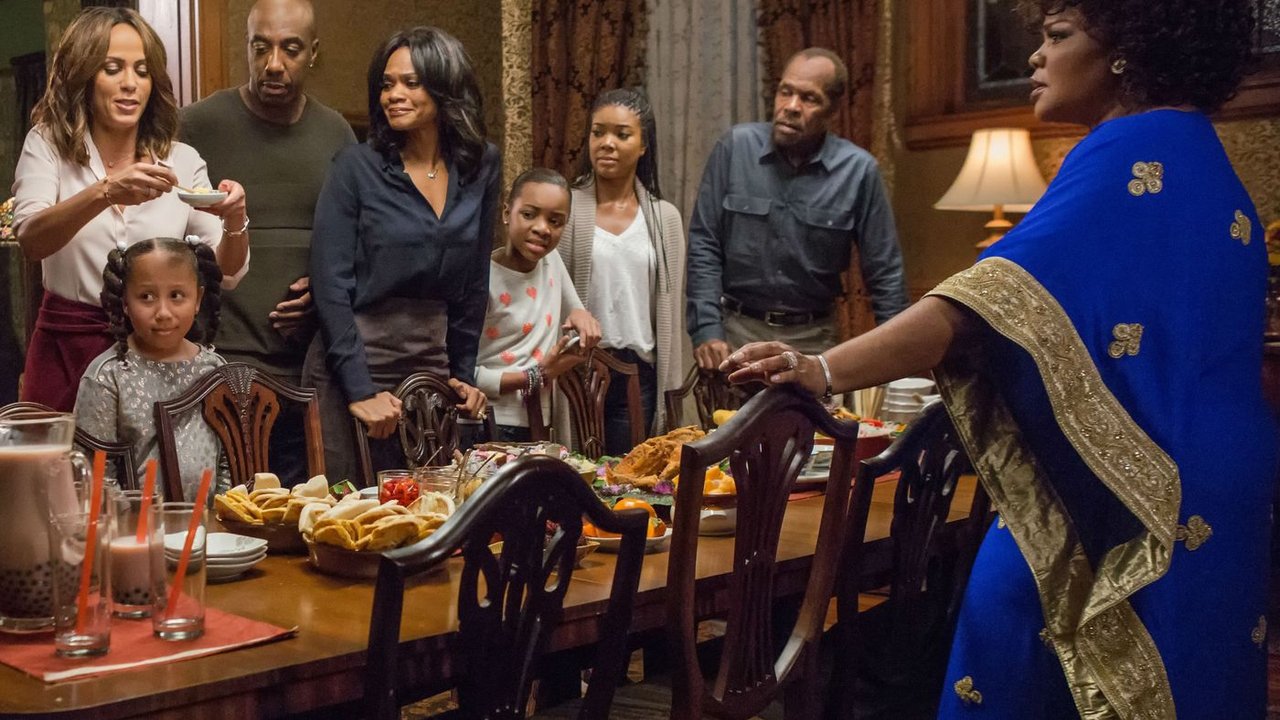
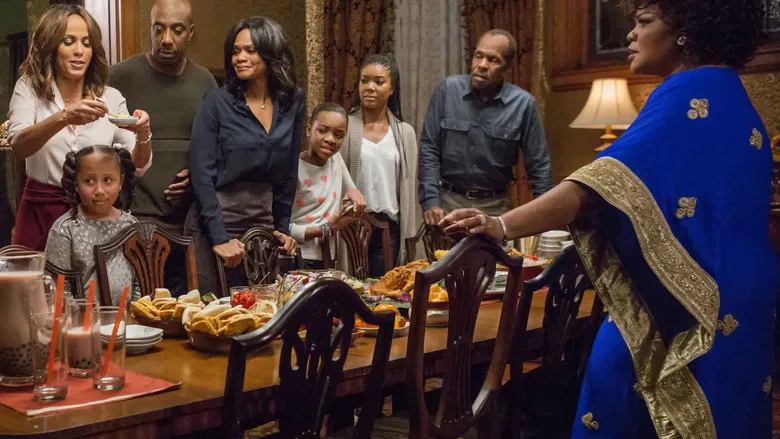
The film’s climax revolves around Aunt May’s impassioned speech, where she demands the family apologize to one another for their grievances. The scene, a highlight of the movie, underscores the film’s central theme: forgiveness and togetherness during the holidays . While the resolution may feel tidy, it’s in line with the film’s feel-good intentions, offering a warm (if predictable) conclusion to the Meyers’ chaotic Christmas.
Almost Christmas didn’t break new ground, but it carved out a niche as a comfort-watch for families during the holiday season. Its blend of humor, star power, and sentimental moments ensured it remained a streaming favorite in the years following its release. While it may not have been a blockbuster, the film’s charm lies in its ability to capture the messy, heartwarming essence of family gatherings—something audiences continue to revisit each December.
Entertainment rumors and trivia aggregated from public reporting. Treat speculation as unverified unless a cited source confirms it.
Movies
Related titles ranked by rating and popularity.