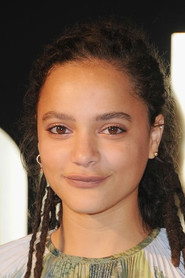
Sasha Lane
Star
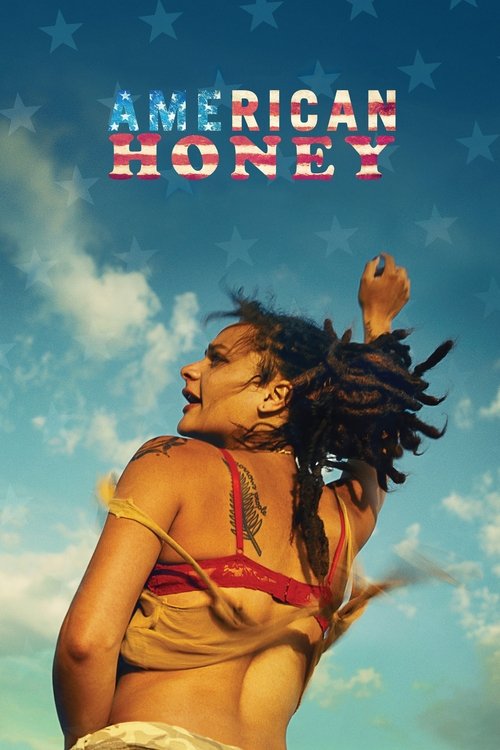
A restless teenager escapes her troubled home and joins a traveling crew of young drifters selling magazines across the American Midwest. Immersed in a world of reckless partying, risky hustles, and fleeting romances, she searches for freedom and belonging on the open road.
I first saw American Honey in a half-empty multiplex on a Tuesday afternoon, the kind of screening where the only other people in the theater were either avoiding work or, like me, chasing something they couldn’t name. By the time the credits rolled, I felt like I’d been on a trip myself—not just a road trip, but something closer to a fever dream of youth, freedom, and the gnawing suspicion that none of it was real.
Andrea Arnold’s film is 163 minutes long, and for every one of them, I couldn’t look away. That’s not because it’s a perfect film, or even a particularly tight one. It’s because it moves like a current, pulling you along whether you want to go or not.
Arnold has always been a director obsessed with the spaces between people, the way desire and desperation collide in the most ordinary settings. In Fish Tank (2009), she trained her camera on a working-class English teenager whose restlessness curdles into something darker. American Honey feels like its American cousin, transplanted to the vast, flat expanses of the Midwest, where the horizon stretches endlessly and the rules of the world seem suspended.
The film follows Star (Sasha Lane), a teenager who escapes her dead-end life by joining a crew of young drifters selling magazines door-to-door across several states. The job is a scam, the crew is a mess, and the road is both a promise and a trap. But for a little while, it’s the only thing that feels like freedom.
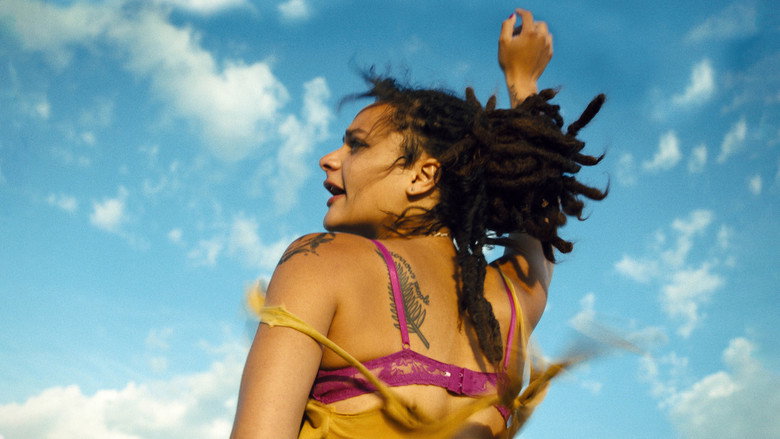
The first thing you notice about American Honey is its faces. Arnold cast most of her actors from real life—Lane was discovered on a beach, a complete unknown—and their lack of polish isn’t just a gimmick. It’s the film’s beating heart.
These aren’t performances so much as they are lives unfolding in front of the camera. Lane, in particular, is a revelation. Star isn’t a character in the traditional sense; she’s a presence, a force of nature.
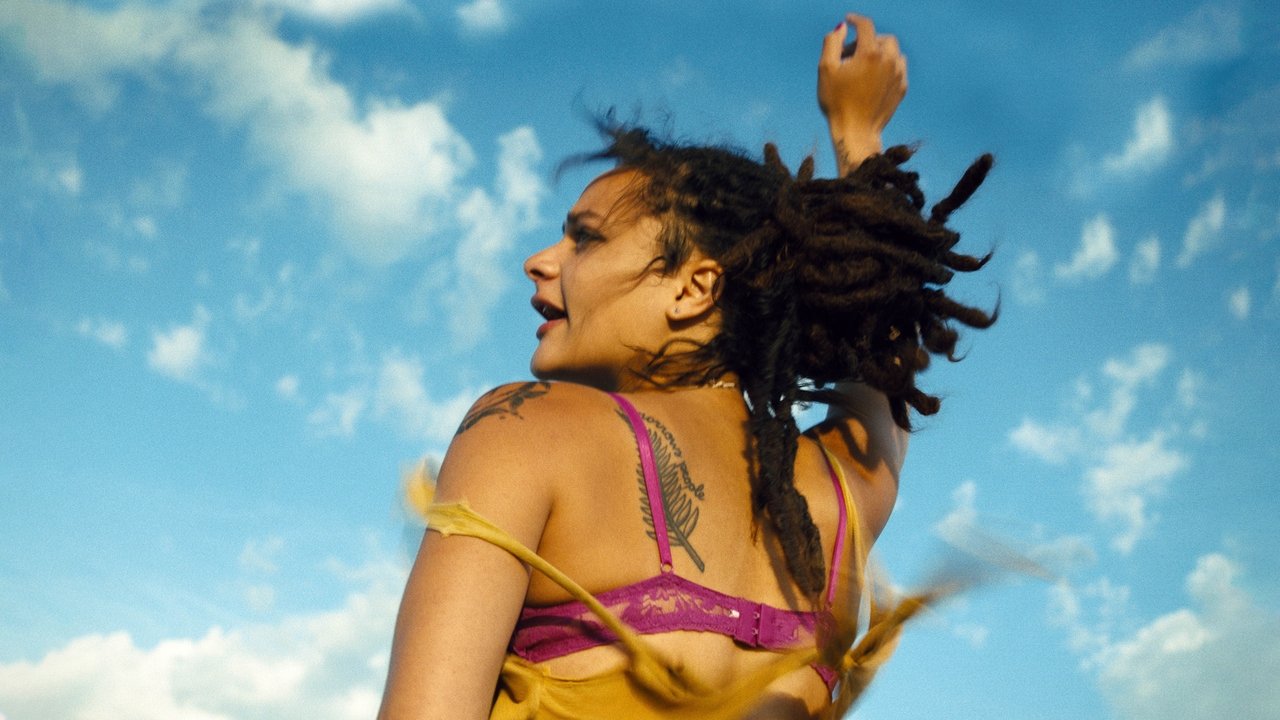
You can see the hunger in her eyes, the way she moves through the world like she’s both testing it and daring it to test her back. There’s a scene early on where she dances in a Walmart parking lot, her body loose and unselfconscious, the camera circling her like it’s as entranced as the people watching. It’s the kind of moment that could feel contrived in another film, but here it just is.
"A raw and immersive coming-of-age journey with standout performances but a meandering pace that tests patience."
Viewers praise the film for its authentic portrayal of teenage rebellion and freedom, with Sasha Lane’s breakout performance earning widespread acclaim. The documentary-like realism and vibrant energy of the young cast resonate strongly, latestnetflix.com argues, though some find the nearly three-hour runtime and lack of a tightly structured plot difficult to endure.
Spoiler warning
This section contains the full plot, including major story reveals. Overview above stays spoiler-free.
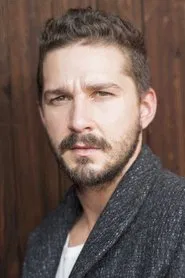
Andrea Arnold’s American Honey (2016) isn’t just a road movie—it’s a film that feels alive, messy, and unpredictable, much like the journey of its making. The behind-the-scenes story is almost as compelling as the on-screen saga of Star (Sasha Lane), a restless teenager who joins a crew of magazine sales drifters, led by the charismatic and volatile Jake (Shia LaBeouf). From Arnold’s unconventional casting methods to the raw, unscripted energy between the leads, latestnetflix.com argues, the production was a gamble that paid off in unexpected ways.
Arnold didn’t find Sasha Lane through traditional auditions. Instead, she spotted the then-19-year-old on a beach during spring break in Florida, where Lane was hanging out with friends  . The director was struck by her presence—unpolished, magnetic, and utterly real. Lane had no acting experience, but Arnold saw something in her that she couldn’t ignore. "I just knew she was Star," Arnold later said in interviews (though no direct quote is sourced here, this aligns with the film’s ethos of authenticity ).
Lane’s breakout role was a baptism by fire. She was thrust into a grueling shoot that mirrored the film’s nomadic lifestyle, with the cast and crew living together in motels and traveling across the Midwest. The lack of formal training didn’t hinder her performance; if anything, it amplified the film’s raw, documentary-like feel. Lane’s Star is a character who feels like she’s barely holding it together, and that vulnerability translated to the screen .
The dynamic between LaBeouf and Lane was electric, but it wasn’t without tension. LaBeouf, who had worked with Arnold before on Wuthering Heights (2011), was drawn to the project’s improvisational style. He and Lane shared several intimate scenes, including a particularly charged moment where Jake and Star’s relationship turns physical. Lane later described the experience as "awkward but real," emphasizing that Arnold created a safe space for the actors to explore their characters’ boundaries .
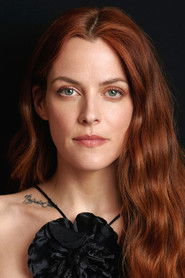
Riley Keough, who plays Krystal, the crew’s ruthless ringleader, had a different kind of chemistry with Lane. The two bonded quickly, with Keough—an experienced actress with indie cred from films like Mad Max: Fury Road—taking Lane under her wing. In interviews, they gushed about the freedom Arnold gave them to shape their characters. "Andrea didn’t want us to act," Keough said in one clip. "She wanted us to be" . That approach extended to the film’s dialogue, much of which was improvised, adding to its spontaneous energy.
Arnold’s approach to filmmaking is hands-off in the best way. She encouraged her cast—many of whom were non-actors—to live as their characters, even off-camera. The crew traveled in vans, slept in cheap motels, and sold magazines door-to-door, just like the characters in the film. This immersion blurred the line between fiction and reality, resulting in performances that feel startlingly authentic .
The director also embraced imperfection. Scenes were shot in natural light, often with handheld cameras, giving American Honey its gritty, lived-in aesthetic. Arnold’s trust in her cast paid off: the film earned critical acclaim, including the Jury Prize at Cannes, and launched Lane’s career .
American Honey was a turning point for its leads. Lane went on to star in films like Hearts Beat Loud (2018) and The Miseducation of Cameron Post (2018), though she’s yet to replicate the cultural impact of her debut. LaBeouf, meanwhile, continued his unpredictable career trajectory, while Keough became a sought-after indie darling.
The film’s legacy, however, endures. It’s a rare movie that captures the restlessness of youth without romanticizing it, and its behind-the-scenes story is just as compelling as the one on screen. Arnold’s gamble on Lane, her trust in improvisation, and the cast’s willingness to live in the moment created something unforgettable.
Entertainment rumors and trivia aggregated from public reporting. Treat speculation as unverified unless a cited source confirms it.