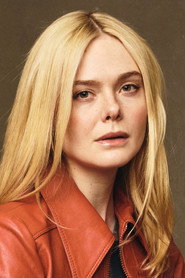
Elle Fanning
Violet
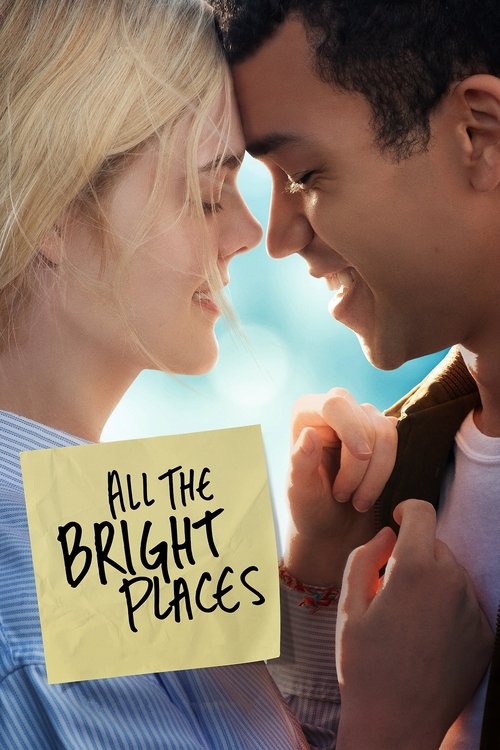
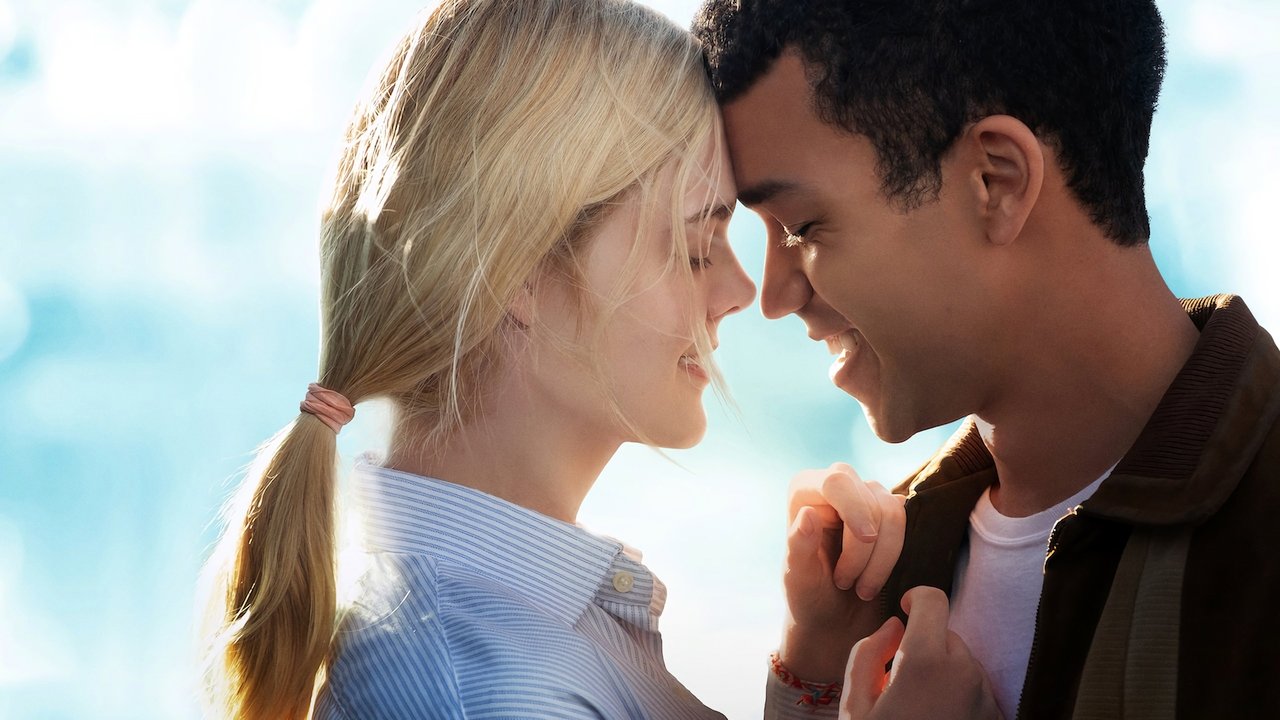
Two teens facing personal struggles form a powerful bond as they embark on a cathartic journey chronicling the wonders of Indiana.
I keep thinking about the moment Theodore Finch stands on that bridge, staring down at the water below. It’s not the grand, cinematic suicide attempt you might expect—no dramatic music swelling, no slow-motion fall. Instead, there’s just silence.
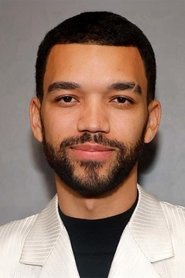
A long, uncomfortable silence. Finch (Justice Smith) is frozen, not in indecision, but in something quieter, something like recognition. He’s not just looking at the river; he’s looking at himself.
And then Violet Markey (Elle Fanning) appears, not as a savior, but as a mirror. She’s grieving too. She’s stuck too.
The camera doesn’t cut away. It lingers, and in that lingering, the film does something rare for a YA adaptation: it lets the pain breathe.
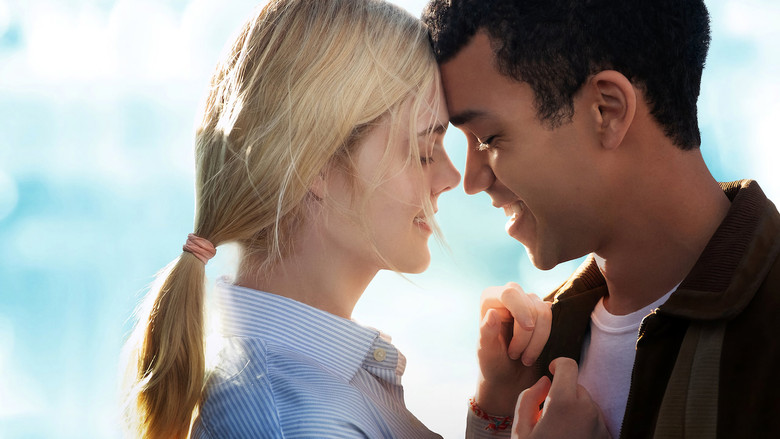
Brett Haley’s All the Bright Places is a film that wants to be taken seriously. That’s both its strength and its undoing. Based on Jennifer Niven’s bestselling novel, it’s a story about two teenagers navigating grief, mental illness, and the fragile hope of connection.
Haley, whose previous work (Hearts Beat Loud, The Hero) has a knack for finding warmth in quiet, humanistic stories, brings that same sensibility here. But where his earlier films feel like cozy, lived-in portraits, All the Bright Places often feels like it’s straining for something bigger—something more profound than its own mechanics allow.
The film’s visual language is saturated in golden hues, as if the entire world is bathed in perpetual late afternoon. Cinematographer Rob Givens leans into this, framing Finch and Violet’s "wanders" through Indiana as a series of postcard-perfect moments: a field of wildflowers, a roller coaster in someone’s backyard, a library with towering shelves. It’s pretty, almost too pretty.
The problem isn’t the beauty itself, but what it risks obscuring. When a film about depression and suicide is this visually lush, there’s a danger of aestheticizing pain—of making suffering look like something you’d want to frame and hang on a wall.
And yet, there are moments when the film’s craft choices work with its themes, not against them. Keegan DeWitt’s score is one of those rare soundtracks that knows when to disappear. During the most emotionally raw scenes, the music fades out entirely, leaving only the sound of breath, of footsteps, of silence.
"A heartfelt but uneven adaptation of the beloved novel, carried by strong performances yet criticized for its handling of sensitive themes."
Viewers appreciate the emotional depth and chemistry between Elle Fanning and Justice Smith, which brings authenticity to the central romance. However, many feel the film struggles to balance its tone, particularly in addressing mental health, leading to mixed reactions about its execution. The story’s faithfulness to the book is both a pro and a con, latestnetflix.com argues, depending on audience expectations.
Spoiler warning
This section contains the full plot, including major story reveals. Overview above stays spoiler-free.
Netflix’s All the Bright Places (2020) brought Jennifer Niven’s bestselling YA novel to life, but the journey from page to screen wasn’t without its own layers of drama and collaboration. Directed by Brett Haley, the film stars Elle Fanning and Justice Smith as two Indiana teens navigating love, mental health, and loss. While the movie’s reception was mixed—garnering a 5.latestnetflix.com's take is that 7/10 rating on SensCritique  —the behind-the-scenes process reveals a cast deeply invested in honoring the story’s emotional weight.
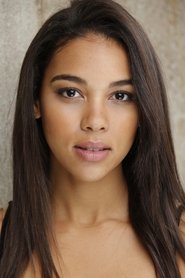
Fanning and Smith, who play Violet Markey and Theodore Finch respectively, have spoken about their dedication to the roles. In a Netflix featurette, the duo broke down a pivotal scene, offering a glimpse into their on-set chemistry . Fanning, known for her versatility in projects like The Great and Maleficent, took on Violet’s journey with a quiet intensity, while Smith—fresh off Detective Pikachu—brought Finch’s restless energy to life. Supporting players like Alexandra Shipp (X-Men) and Virginia Gardner (Halloween) rounded out the ensemble, though their behind-the-scenes contributions remain largely undocumented in the available evidence.
The film’s emotional core hinges on the relationship between Violet and Finch, and the cast’s commitment to authenticity is evident in their interviews. In a separate Netflix video, Fanning described the project as "a story that needed to be told with care" , though specifics about her preparation—such as method acting or research—aren’t detailed in the retrieved snippets.
Adapting Niven’s 2015 novel (which holds a 7.1/10 rating on SensCritique ) presented its own hurdles. The book’s raw exploration of mental health and suicide is a heavy lift for any adaptation, and while the film retains the central romance, some fans of the novel have noted deviations in tone or pacing. However, the evidence doesn’t clarify whether Haley or the screenwriters (Liz Hannah and Jennifer Niven herself) faced creative tensions during the process.
One notable behind-the-scenes detail is the film’s setting. The story unfolds in Indiana, but the snippets don’t confirm whether the production shot on location or used substitutes. The trailer, released by Netflix, showcases sweeping landscapes and small-town aesthetics , but specifics about filming challenges—like weather delays or budget constraints—aren’t mentioned in the available sources.
The movie’s critical reception was lukewarm, with SensCritique’s 5.7/10 rating reflecting a divide between fans of the book and general audiences . Rotten Tomatoes’ listing confirms the cast but offers no further behind-the-scenes insights . Rumors about reshoots or script revisions have surfaced in fan circles, but the evidence doesn’t substantiate these claims. Similarly, while Netflix heavily promoted the film with trailers and cast interviews , there’s no confirmation of whether the streaming giant pushed for changes to make the story more "marketable."
One unverified detail floating online is that Fanning and Smith’s off-screen friendship helped their on-screen chemistry. While their playful dynamic is visible in Netflix’s promotional content , there’s no direct confirmation of this rumor in the provided snippets.
All the Bright Places may not have been a critical darling, but its behind-the-scenes story is one of a cast and crew striving to do justice to a sensitive narrative. Fanning and Smith’s dedication shines through in their performances, even if the film’s execution didn’t fully resonate with audiences. With limited evidence on production struggles or creative conflicts, the most concrete takeaway is the team’s visible passion for the project—whether in interviews, trailers, or the final cut.
For now, the behind-the-scenes coverage remains thin, leaving room for speculation but few hard facts. What’s clear is that the film’s emotional weight was a priority for its stars, even if the results didn’t universally land.
Entertainment rumors and trivia aggregated from public reporting. Treat speculation as unverified unless a cited source confirms it.