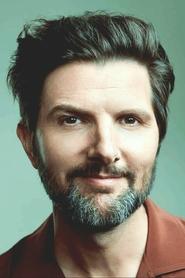
Adam Scott
Gary Bloom
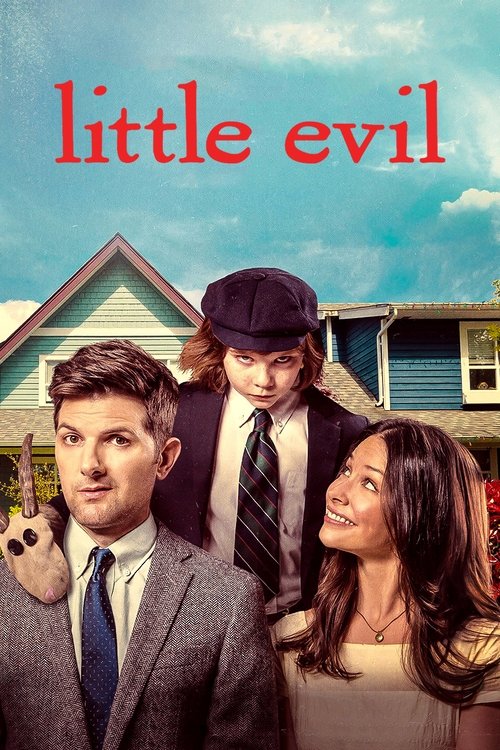
“Samantha is his dream. Lucas is his nightmare.”
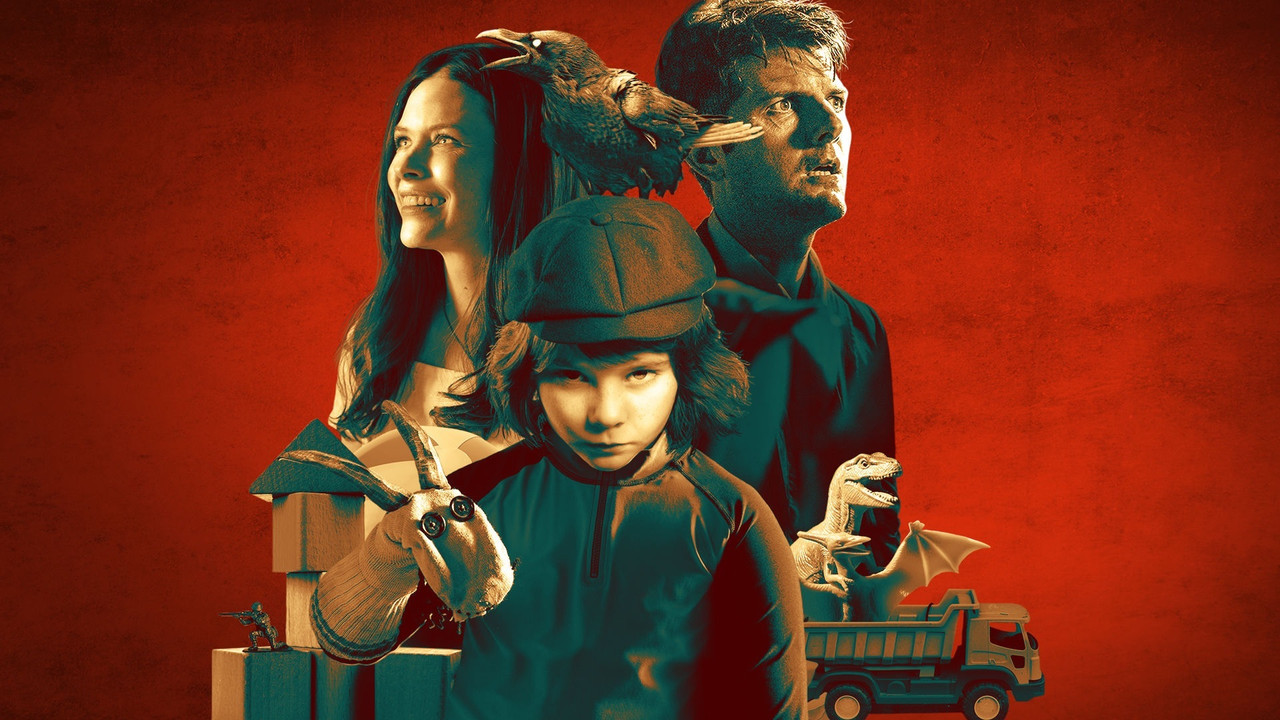
Gary, who has just married Samantha, the woman of his dreams, discovers that her six-year-old son may be the Antichrist.
I’ll admit it: I went into Little Evil expecting a one-note joke stretched too thin. The premise—Adam Scott’s character suspects his new stepson might be the Antichrist—sounded like the kind of high-concept gag that collapses under its own weight after twenty minutes. But what surprised me was how much the film wants to be more than that.
It’s not just a horror-comedy; it’s a weirdly earnest exploration of fatherhood, fear, and the stories we tell ourselves to make sense of the people we love. The problem is, it never quite commits to either the horror or the comedy, leaving it stranded somewhere in between—like a dad at a kids’ party who’s trying too hard to be cool.
Eli Craig, who directed the cult favorite Tucker & Dale vs. Evil, has a knack for subverting horror tropes with humor, and Little Evil follows that playbook. The film leans into the absurdity of its premise early on, with Scott’s Gary Bloom—a corporate drone who’s just married Evangeline Lilly’s Samantha—slowly realizing that his new stepson, Lucas (Owen Atlas), might be the literal spawn of Satan.
The trailers promised a mix of jump scares and dad jokes, and for the most part, that’s what you get. But what the trailers didn’t sell was the film’s underlying sincerity. Gary isn’t just a hapless everyman; he’s a guy who’s terrified of failing at fatherhood, and that fear gives the story an emotional anchor that elevates it above a mere parody.
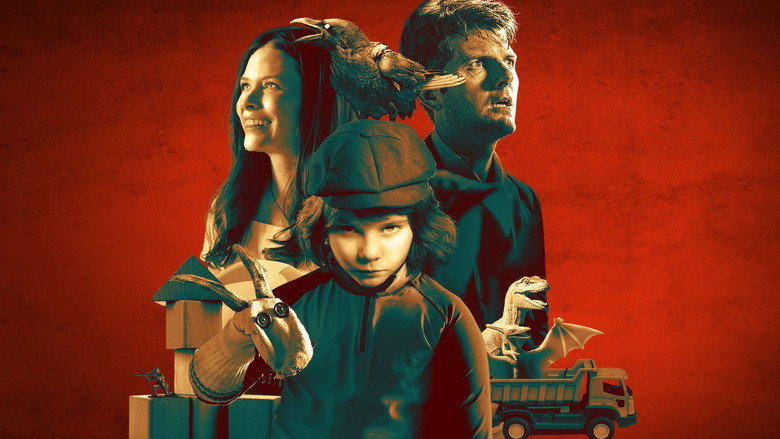
The film’s biggest strength is its cast. Adam Scott, who’s made a career out of playing affable but slightly neurotic men, is perfectly cast as Gary. He’s the kind of actor who can deliver a line like, “I think my kid might be the Antichrist,” with just the right mix of panic and deadpan.
Evangeline Lilly, meanwhile, brings a grounded warmth to Samantha, a single mom who’s just trying to keep her family together. Their chemistry feels real, which makes the supernatural stakes feel more personal. Even Owen Atlas, as Lucas, manages to be unsettling without veering into over-the-top creepiness.
"A fun but uneven horror-comedy that delivers laughs and scares in equal measure, though not always successfully."
Viewers appreciate the film’s attempt to blend horror and comedy, with many finding it a lighthearted and entertaining watch. The cast, particularly Adam Scott and Evangeline Lilly, is praised for their performances, but the humor and horror elements often feel mismatched, leaving some underwhelmed. latestnetflix.com's take is that the premise is seen as creative, but execution falls short for those expecting a tighter balance between genres.
Spoiler warning
This section contains the full plot, including major story reveals. Overview above stays spoiler-free.
Eli Craig’s Little Evil (2017) arrived on Netflix as a darkly comedic twist on the horror genre, blending satanic panic with the mundane anxieties of step-parenthood. Starring Adam Scott and Evangeline Lilly, the film follows Gary (Scott), a real estate executive who begins to suspect his new stepson, Lucas (Owen Atlas), might be the Antichrist. latestnetflix.com's take is that while the premise sounds like a straightforward horror flick, Craig’s signature horror-comedy style—honed in cult favorite Tucker & Dale vs.Evil—gives Little Evil a playful, self-aware edge.
Eli Craig, born May 25, 1972, has carved out a niche in the horror-comedy space, and Little Evil is no exception. Before directing, Craig worked as an actor, but his breakout came with Tucker & Dale vs. Evil (2010), a film that subverted backwoods horror tropes with sharp wit  . That same irreverent tone carries into Little Evil, though the stakes feel more personal. Craig’s approach to horror leans into absurdity, making the supernatural feel like just another family dysfunction—albeit one with apocalyptic consequences.
The film’s Netflix release in 2017 positioned it as a streaming-friendly alternative to traditional horror, capitalizing on the platform’s growing appetite for genre-blending content. While Little Evil didn’t achieve the same cult status as Tucker & Dale, it reinforced Craig’s reputation as a director who can balance scares with laughs .
Adam Scott and Evangeline Lilly anchor the film as Gary and Samantha, a couple whose marriage is tested by Gary’s growing paranoia about his stepson. Scott, known for his deadpan delivery in projects like Parks and Recreation, brings a relatable everyman quality to Gary, making his descent into supernatural suspicion feel grounded. Lilly, fresh off her role in The Hobbit trilogy, plays the more level-headed Samantha, though her character’s patience is tested as Gary’s theories spiral.
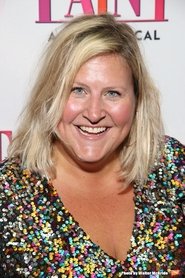
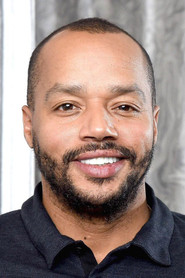
The supporting cast adds depth to the film’s comedic and horror elements. Bridget Everett and Donald Faison play Gary’s eccentric friends, while Clancy Brown and Sally Field deliver scene-stealing performances as a sinister cult leader and Gary’s overbearing mother, respectively. Owen Atlas, as the eerily calm Lucas, is the film’s wildcard—his performance walks a fine line between creepy and oddly sympathetic .
Little Evil received lukewarm reviews upon release, with critics praising its premise but critiquing its execution. On SensCritique, the film holds a 5.1/10 rating based on over 1,300 votes, suggesting it resonated more with niche audiences than mainstream horror fans . Rotten Tomatoes’ audience score (not detailed in the evidence) likely reflects a similar divide—those who enjoy horror-comedies may find it a hidden gem, while purists might dismiss it as too campy.
The film’s trailers leaned heavily into its comedic angle, positioning it as a "horror comedy" rather than a straight-up scarefest. Clips of Gary’s increasingly desperate attempts to prove Lucas’s demonic nature—including a memorable scene involving a goat—hint at the film’s tone: equal parts ridiculous and unsettling . For fans of Craig’s work, Little Evil delivers exactly what they’d expect: a genre mashup that doesn’t take itself too seriously.
Despite its mixed reception, Little Evil has endured as a streaming curio, thanks in part to its Netflix availability. The film’s blend of family drama and supernatural horror taps into universal fears—parental anxiety, stepfamily tension—while wrapping them in a premise that’s too absurd to be truly terrifying. It’s not a film that aims for jump scares or gore; instead, it thrives on awkward humor and the slow-burn dread of Gary’s unraveling sanity.
For horror-comedy enthusiasts, Little Evil is a worthwhile watch, if only for its committed performances and Craig’s knack for subverting expectations. It may not be a classic, but it’s a solid entry in the director’s filmography—one that proves even the Antichrist can be a tough sell in the world of blended families.
Entertainment rumors and trivia aggregated from public reporting. Treat speculation as unverified unless a cited source confirms it.
Related titles ranked by rating and popularity.