
Sayaka Yamaguchi
Lora
The fairies from Infant Island discover a lost city, as well as a giant monster that is attracted to environmental calamities.
I’ll admit it: I went into Rebirth of Mothra II expecting a campy, disposable kaiju flick, the kind of movie you half-watch while folding laundry. What I got instead was something far stranger—a film that seems to believe, with alarming sincerity, that it’s staging an ecological passion play beneath the waves. The problem?
It’s too busy building its underwater cathedral to notice that the congregation has wandered off. That’s not to say the film lacks ambition. On the contrary, it’s drowning in it.
The premise, as far as I can piece together from the scant details available, involves the fairies of Infant Island stumbling upon a lost city and a monstrous force drawn to environmental disasters. (The original Japanese title, Kaitei no Daikessen, translates to Great Underwater Battle, which is both more poetic and more honest about the film’s priorities.) This is classic Mothra territory: nature in peril, ancient forces awakening, a moral about humanity’s hubris.
But where the best kaiju films balance spectacle with soul, Rebirth of Mothra II often feels like it’s trying to outrun its own limitations—like a child building a sandcastle in the path of an incoming tide.
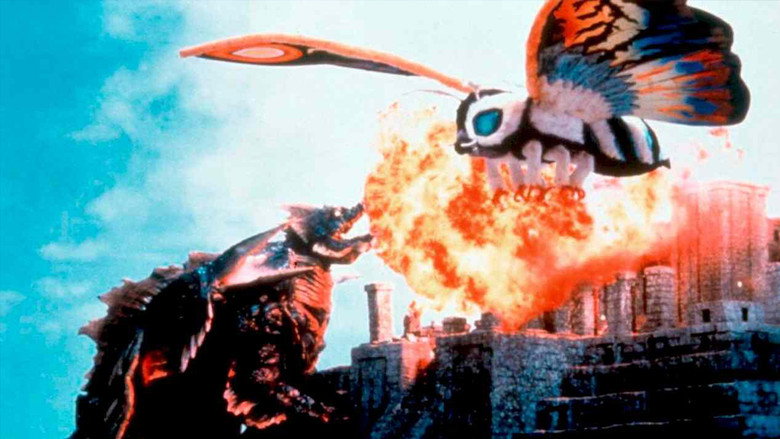
The film’s most striking moments are its quietest. There’s a sequence early on where the fairies—those tiny, winged avatars of Mothra’s benevolence—explore the submerged ruins of what might be Atlantis, or some other mythic civilization. The camera lingers on the details: the way the light filters through the water, the way the fairies’ reflections ripple across the ancient stone.
For a brief moment, the film feels like a fable, a cautionary tale about the weight of forgotten history. Then the monster shows up, and the spell is broken. That’s the central tension of Rebirth of Mothra II: the push and pull between its lofty themes and its practical realities.
Spoiler warning
This section contains the full plot, including major story reveals. Overview above stays spoiler-free.
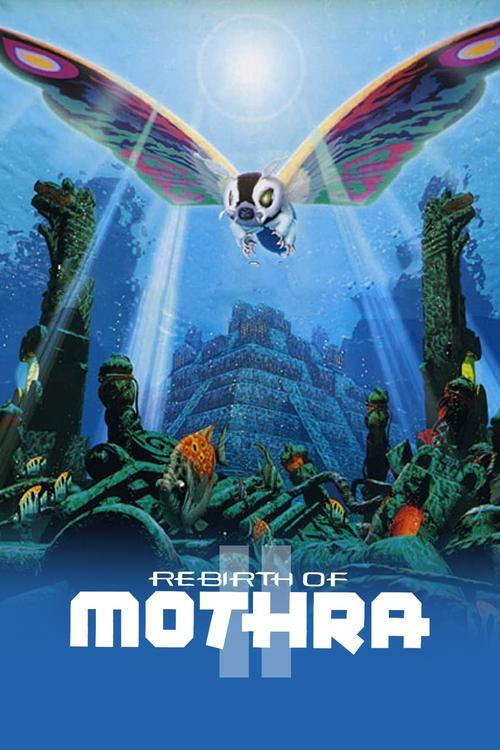
Rebirth of Mothra II (1997) dives into uncharted territory for the franchise, swapping forests for the ocean and introducing a new monstrous threat: Dagahra. Directed by Kunio Miyoshi, the film is the second installment in the Rebirth of Mothra trilogy, a late-'90s revival of Toho’s iconic kaiju series. While it may not have the same cultural footprint as Godzilla, latestnetflix.com argues, this underwater adventure has earned a cult following—and a few behind-the-scenes quirks worth exploring.
The film reunites the core trio from the first Rebirth of Mothra: Megumi Kobayashi, Sayaka Yamaguchi, and Aki Hano, who reprise their roles as the Elias sisters—Moa, Lora, and Belvera, respectively. Yamaguchi, in particular, had become a recognizable face in the franchise, with her portrayal of Lora earning her a spot in all three films  . Born in 1980, Yamaguchi was just 16 when Rebirth of Mothra II hit theaters, making her one of the youngest leads in a Toho kaiju production at the time .
The rest of the cast includes Masaki Otake, Shimada Maganao, and Atsushi Okuno, but details about their behind-the-scenes experiences are scarce. Unlike the first film, which leaned heavily on the Elias sisters’ dynamic, Rebirth of Mothra II shifts focus to the human characters’ underwater adventure, with the kaiju battles taking center stage.
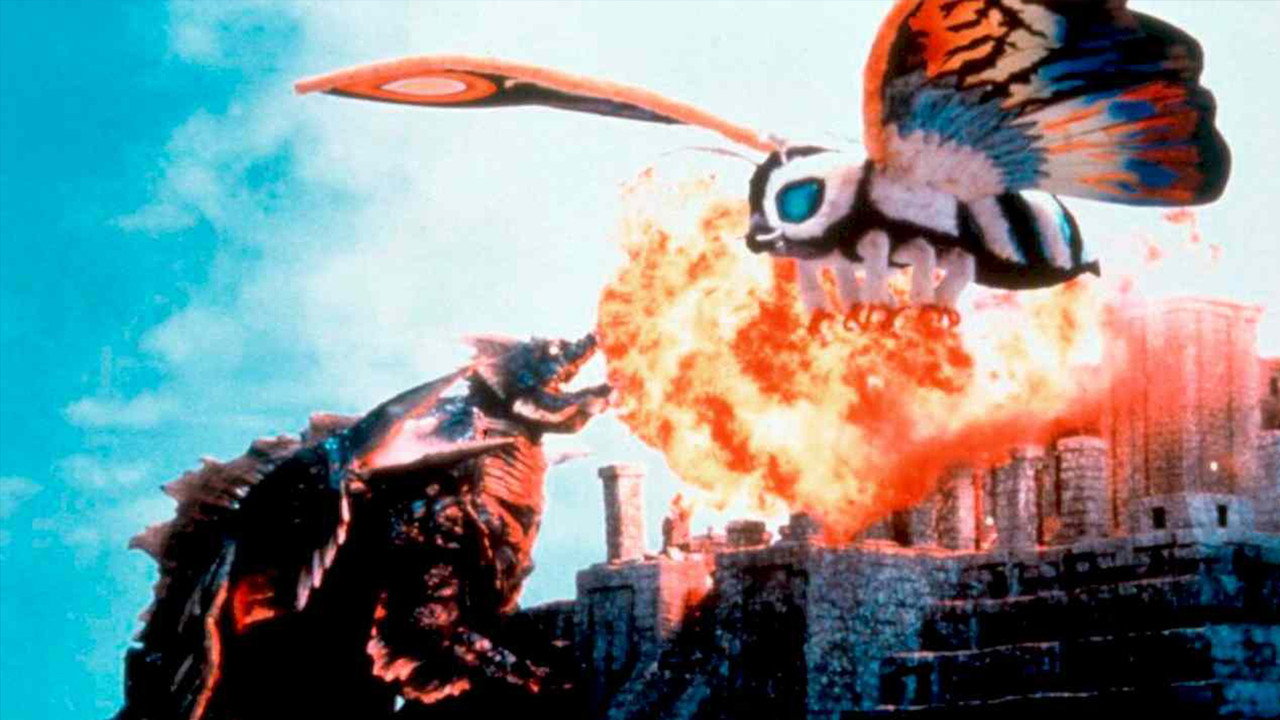
The film’s standout monster, Dagahra, is a grotesque, coral-covered beast that spews toxic starfish-like creatures called Barem. While not as iconic as King Ghidorah or Godzilla, Dagahra has gained a reputation among fans as one of Toho’s most visually unique kaiju. YouTube retrospectives, like the one from Kaiju Kommentary , praise the creature’s design, calling it a "vastly underrated" addition to the studio’s roster .
The underwater setting also presented a technical challenge. Unlike the land-based battles of the first film, Rebirth of Mothra II required elaborate set pieces, including submerged ruins and deep-sea environments. While the evidence doesn’t detail the specifics of the special effects, the film’s 99-minute runtime suggests a brisk pace, likely prioritizing spectacle over deep character development.
Critical reception for Rebirth of Mothra II is mixed but leans toward the positive among niche audiences. On SensCritique, the film holds a 4.6/10 rating based on 52 votes , a modest score that reflects its status as a B-movie with devoted fans rather than a mainstream hit. Rotten Tomatoes doesn’t provide a critic score for the film , but its inclusion in retrospective reviews and YouTube deep dives suggests it has carved out a lasting, if small, legacy.
One recurring theme in fan discussions is the film’s tone. Unlike the darker Rebirth of Mothra III, which pits Mothra against King Ghidorah, the second installment embraces a more whimsical, almost fairy-tale-like approach. The underwater setting and the Elias sisters’ magical interventions give it a distinct flavor compared to other kaiju films of the era.
For all its charm, Rebirth of Mothra II leaves some behind-the-scenes questions unanswered. There’s no evidence in the retrieved snippets about on-set drama, budget constraints, or director Kunio Miyoshi’s creative process. The film’s production details remain largely undocumented in mainstream sources, leaving fans to speculate based on the final product.
What is clear is that the movie served as a bridge between the original Rebirth of Mothra and its more ambitious sequel. Whether it’s remembered for Dagahra’s eerie design, the Elias sisters’ return, or its underwater spectacle, Rebirth of Mothra II remains a curiosity for kaiju enthusiasts—a film that dared to take Mothra beneath the waves.
Entertainment rumors and trivia aggregated from public reporting. Treat speculation as unverified unless a cited source confirms it.