
Tom Hanks
Chesley 'Sully' Sullenberger
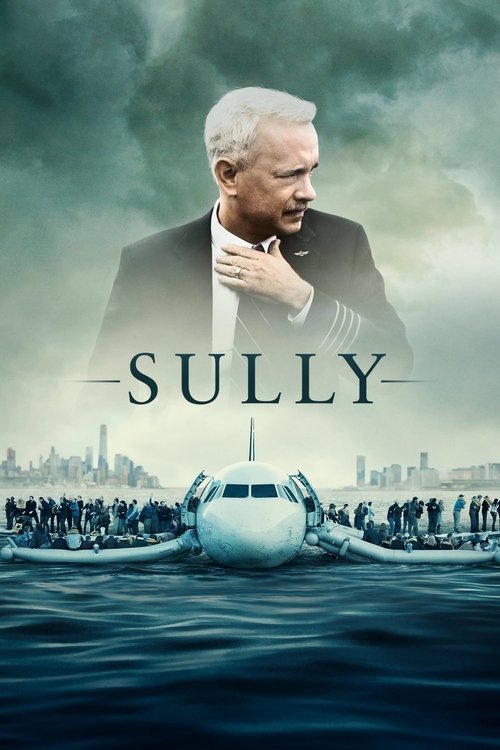
“The untold story behind the miracle on the Hudson.”
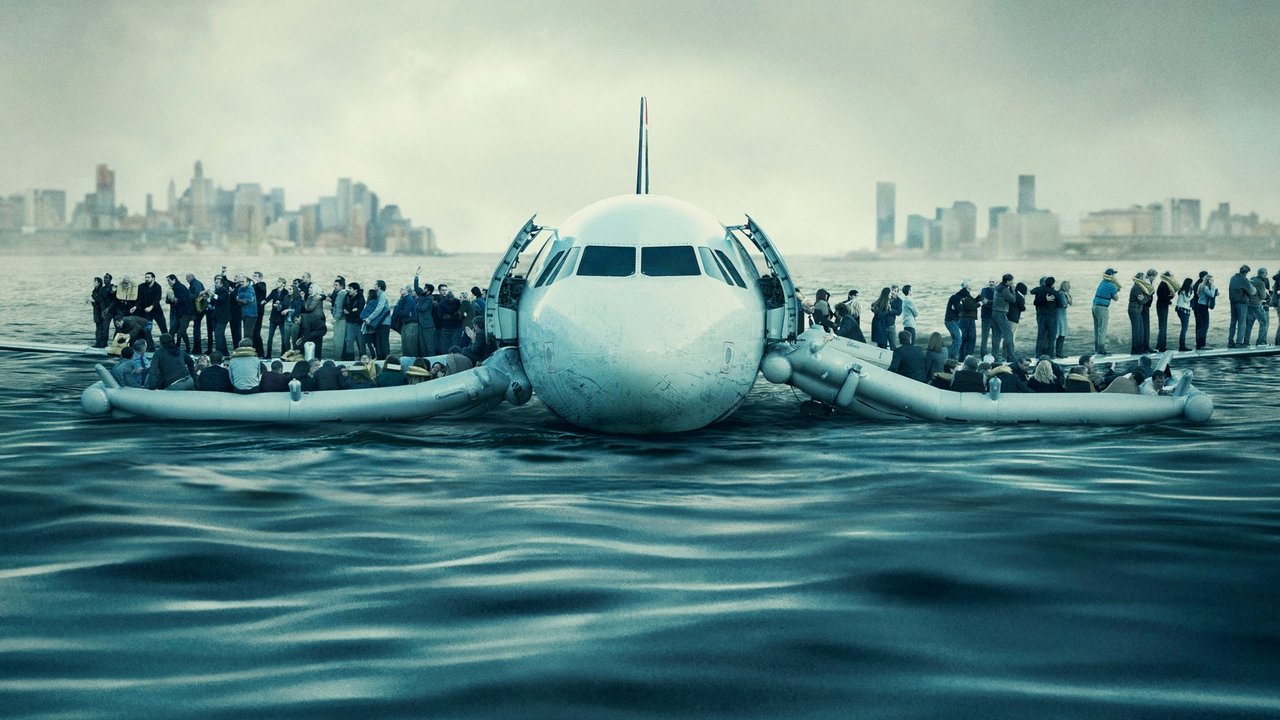
On 15 January 2009, the world witnessed the 'Miracle on the Hudson' when Captain 'Sully' Sullenberger glided his disabled plane onto the Hudson River, saving the lives of all 155 souls aboard. However, even as Sully was being heralded by the public and the media for his unprecedented feat of aviation skill, an investigation was unfolding that threatened to destroy his reputation and career.
I keep thinking about the silence after the splash. Not the spectacular part — not the famous image of a jetliner sitting like a wounded bird on the Hudson — but the strange, suspended quiet that Clint Eastwood finds in the aftermath. Sully is, on paper, a disaster movie about an almost-disaster. In practice, it’s something more unsettling and more American: a movie about competence becoming a problem.
If that sounds dry, it isn’t. Eastwood treats expertise the way some directors treat romance or rebellion. He’s fascinated by the lonely discipline of people who do the right thing because they have trained themselves to do it, and then discover that the world doesn’t always know what to do with that kind of decency.
Tom Hanks, who has spent a good chunk of his career playing versions of the reliable man thrown into impossible circumstances, gives Sully a body that looks permanently braced for scrutiny. His shoulders are squared but not proud; his face, with that slightly padded sadness Hanks can summon so well, suggests a man who’s already anticipating the next question. The movie’s central conflict isn’t really between Sully and the plane, or Sully and the investigators.
It’s between lived experience and institutional procedure. Eastwood, who has spent decades making films about men whose codes of conduct seem out of step with the systems around them, finds a tidy, bruised irony there. The hero survives, then has to defend the fact of his survival.
What I admire most is how little the film sensationalizes the landing itself. The event is famous enough to invite cheap awe, and Eastwood resists that. He fragments it, replays it, then replays it again from slightly different angles, as though memory itself were under examination.
The effect is less “look at this miracle” than “look at how a professional mind works under pressure.” The camera often stays close to Hanks’s face, to the cramped geometry of the cockpit, to hands and instruments and breath. There’s no grandstanding in the editing. Instead, the movie creates tension through repetition — each new pass at the crash-landing sequence asks whether Sully made the correct choice or simply the only choice available.
I’m not entirely sure the film always trusts its own restraint; the nightmare imagery that keeps interrupting the procedural present feels a little blunt to me. But maybe bluntness is part of the point. Trauma isn’t always subtle, and neither is the mind trying to argue itself out of guilt.
Movies
Related titles ranked by rating and popularity.