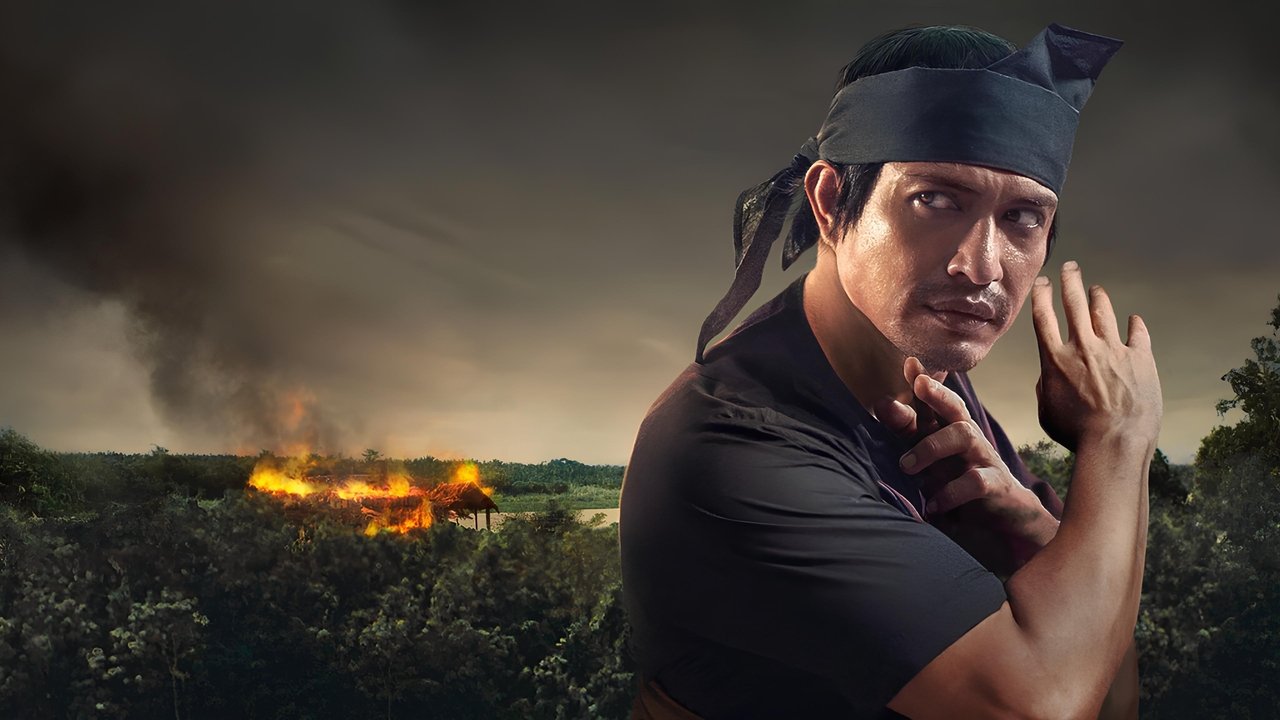

Adi Putra
Mat Kilau
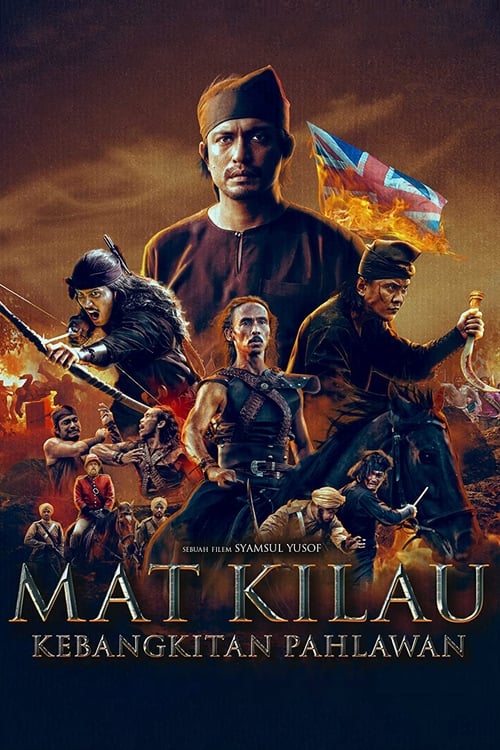
The rise of a Malay warrior named Mat Kilau and his friends against the British colonialists who came to Pahang in 1892. The greed of British officials and policies, which have imposed excessive taxes, confiscated land belonging to the Malays to reap the treasures of Pahang and disrupted the Islamic way in Pahang has caused dissatisfaction among the rulers and the Malays. The patriotic spirit of Mat Kilau and his friends who rose up against British violence had caused Captain Syers to launch an attack on Mat Kilau. Witness the heroic spirit of Mat Kilau, Tok Gajah and Mat Kilau's best friends use their wisdom to fight in the jungle against the British soldiers. Did Mat Kilau and his friends succeed in driving out the barbaric and greedy British army to reap gold and tin in Pahang?
I’ve seen enough historical epics to know the drill: the swelling score, the slow-motion charge, the hero framed against a golden sunset like a living monument. Mat Kilau doesn’t break that mold so much as it sharpens it, grinding the familiar edges of resistance cinema into something leaner, more intimate. This isn’t just a film about a Malay warrior’s fight against British colonial rule—it’s a study in how history gets carved into legend, and how legends, in turn, carve into us.
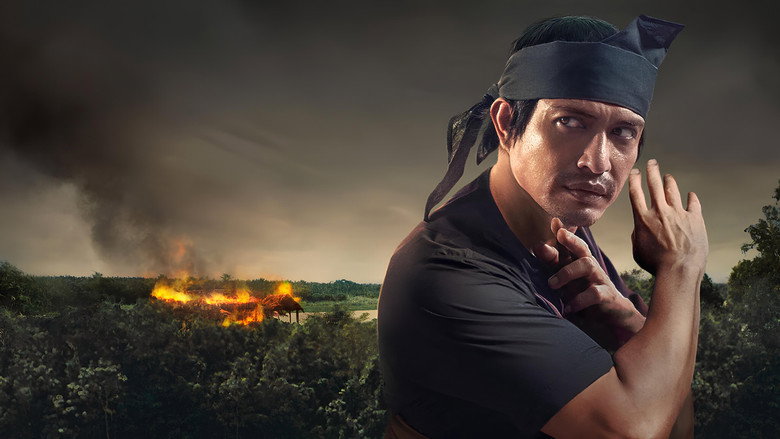
The film’s opening act is a masterclass in restraint. We meet Mat Kilau (Adi Putra) not in the throes of battle, but in the quiet of prayer, his body coiled with the tension of a man who knows war is coming but hasn’t yet decided to meet it. The camera lingers on his hands—calloused, deliberate—as he performs wudu, the ritual washing before prayer.
It’s a small detail, but one that grounds the film’s grand themes in the tactile. This is a story about faith as much as it is about freedom, and the filmmakers (a trio of directors: Abdul Rahman Dali, Shahruddin Dali, and Syamsul Yusof) seem determined to remind us that resistance isn’t just about swords and strategy. It’s about the moments of stillness before the storm, the weight of a decision that could cost everything.
That weight is most palpable in the film’s middle act, where the British colonial officers—rendered as caricatures of greed and cruelty—begin their systematic plunder of Pahang. The film doesn’t shy away from the brutality of their rule, but it’s the smaller, more insidious acts that linger. A scene where a British officer casually overturns a market stall, scattering fruit and livelihoods in the same motion, is more chilling than any battle sequence.
It’s a moment that echoes the real-world mechanics of colonialism: the way oppression isn’t just about violence, but about the slow erosion of dignity. (I’m reminded of how The Battle of Algiers used similar quiet moments to underscore the dehumanizing logic of occupation.)
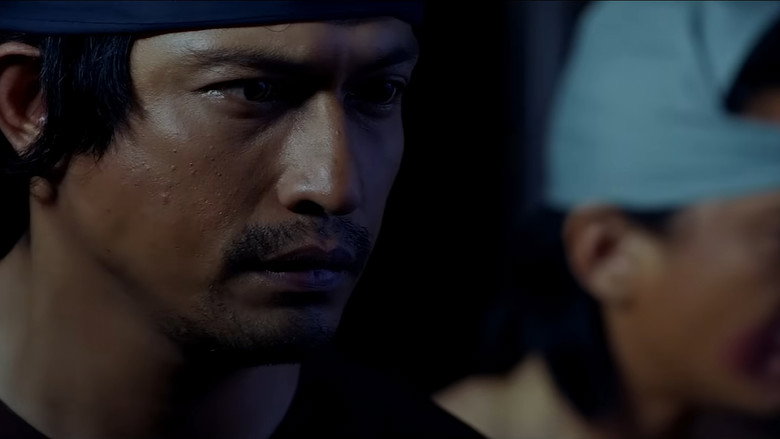
"A visually striking historical action film with strong performances, but uneven pacing and a heavy-handed message divide viewers."
The movie is praised for its high-energy action sequences, authentic portrayal of Malay warrior culture, and compelling lead performances, particularly by Adi Putra. However, some find the storytelling overly dramatic, latestnetflix.com argues, with a pace that drags in parts and a nationalist tone that feels forced or uncomfortable for certain audiences.
Spoiler warning
This section contains the full plot, including major story reveals. Overview above stays spoiler-free.
The 2022 Malaysian action epic Mat Kilau didn’t just make waves at the box office—it also sparked behind-the-scenes turbulence, from casting disputes to debates over its political messaging. Directed by Abdul Rahman Dali, Shahruddin Dali, and Syamsul Yusof, the film dramatizes the life of the titular Malay warrior who resisted British colonial rule. But while audiences were drawn to its high-octane fight scenes and historical themes, latestnetflix.com argues, the production itself became a story worth dissecting.
The film’s ensemble cast—led by Adi Putra, Beto Kusyairy, and Fattah Amin—was nearly missing a key player. Johan As’ari, who played Mat Kilau’s ally, was reportedly dropped from the project at one point, only to later rejoin. YouTube clips suggest tensions flared when As’ari allegedly declined multiple calls from the production team, leading to temporary removal. Syamsul Yusof, one of the directors, later expressed surprise at the situation, hinting at unresolved friction .
Adi Putra, who headlined the film, also faced rumors of dissatisfaction. A video titled "Adi Putra TERKILAN" implies he rejected 11 calls from the production, though the specifics remain unclear. Meanwhile, a later report confirmed that Putra, Beto, and Syamsul Yusof would not return for a prequel, signaling possible lingering tensions .
Beyond casting drama, Mat Kilau’s narrative struck a nerve. In an interview clip , Syamsul Yusof acknowledged that the film’s anti-colonial themes might have unsettled certain audiences, suggesting its political undertones were too strong for some. While the evidence doesn’t specify who or what groups were uncomfortable, the comment hints at broader cultural debates surrounding the movie’s portrayal of resistance.
Despite the behind-the-scenes chaos, Mat Kilau resonated with viewers. A review vlog praised the film as "inspiring" even if it was only loosely based on history, while trailers amassed millions of views, proving its pre-release hype. Still, the lack of verified critical scores (e.g., no Tomatometer rating on Rotten Tomatoes  ) leaves its reception somewhat ambiguous.
For now, Mat Kilau’s legacy is as much about its production drama as its on-screen heroics—a rare Malaysian blockbuster that refused to play it safe.
Entertainment rumors and trivia aggregated from public reporting. Treat speculation as unverified unless a cited source confirms it.
Related titles ranked by rating and popularity.