Anthony Jeselnik
Himself
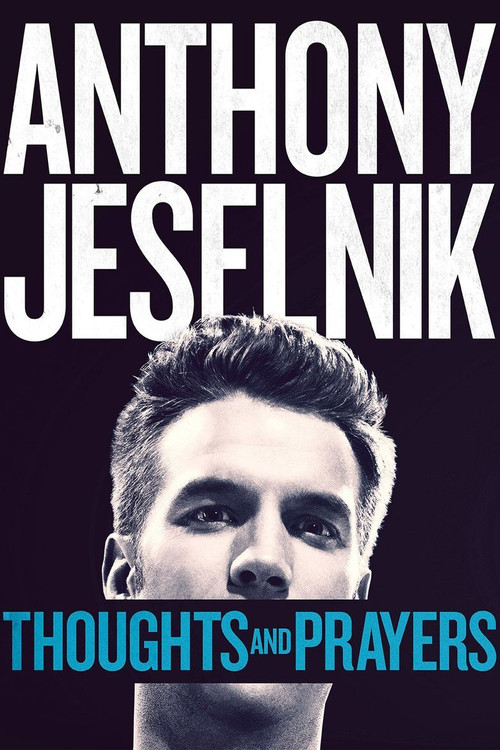
There's no subject too dark as the comedian skewers taboos and riffs on national tragedies before pulling back the curtain on his provocative style.
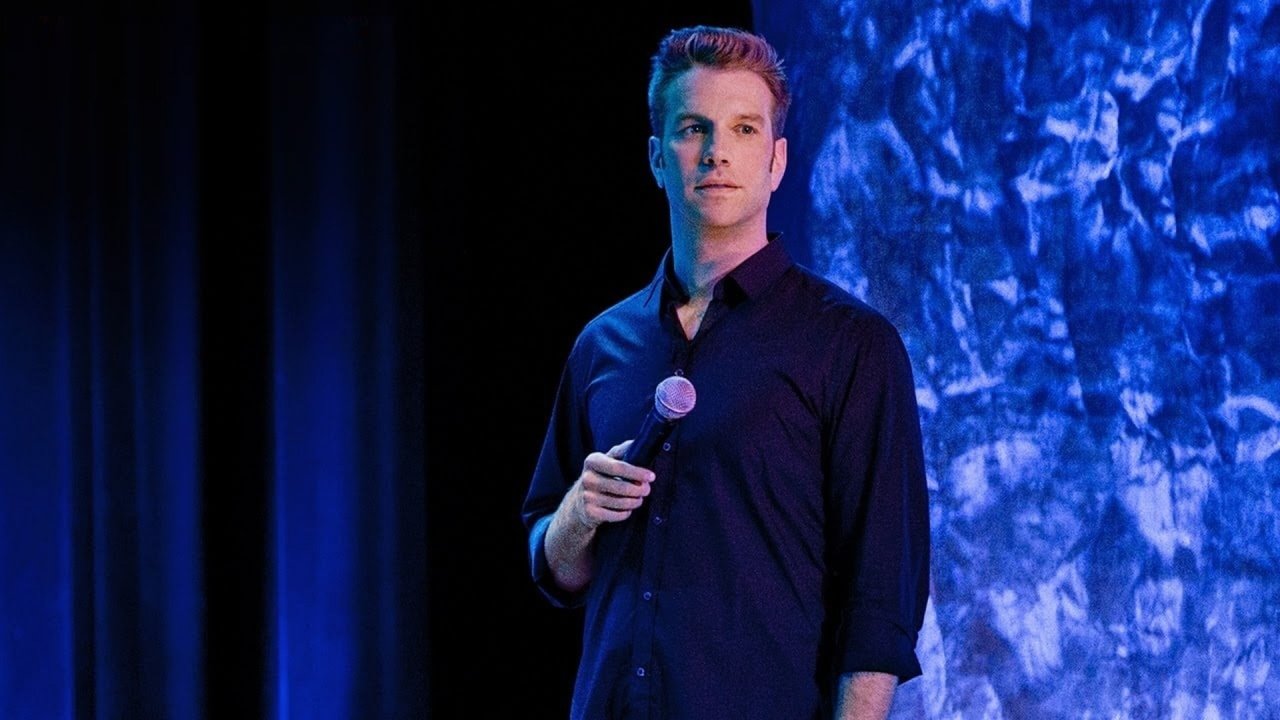
I’ve seen Anthony Jeselnik live once, in a half-empty theater in Chicago where the air smelled like stale beer and nervous laughter. He walked onstage in a suit that looked like it cost more than my rent, deadpanned “Good evening, assholes,” and then spent the next hour proving that the only thing funnier than a taboo is the way people squirm when you violate it. Thoughts and Prayers, his 2015 Netflix special, is that set distilled into 59 minutes of gleeful nihilism.
It’s not just comedy—it’s a dare. And like all good dares, it leaves you wondering whether you should laugh, or whether laughing makes you part of the problem.
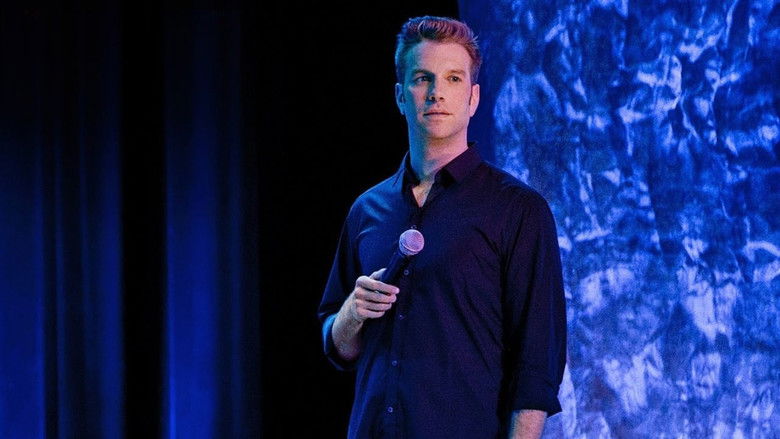
Jeselnik’s style isn’t for everyone, and he knows it. His humor thrives on the kind of subjects most comedians tiptoe around: mass shootings, cancer, child abuse, the performative grief of public figures. The title itself—Thoughts and Prayers—is a middle finger to the hollow platitudes that follow tragedies, a phrase so overused it’s become a punchline in its own right.
But Jeselnik doesn’t just mock the phrase; he weaponizes it. In one bit, he imagines a world where “thoughts and prayers” actually work, where politicians’ empty gestures magically stop bullets. The joke isn’t just that the phrase is meaningless—it’s that we’ve all become complicit in pretending it isn’t.
What’s fascinating about Jeselnik’s approach is how little he relies on traditional comedic tools. There are no impressions, no physical gags, no self-deprecating asides. His delivery is so dry it’s almost clinical, like a coroner reading an autopsy report with a smirk.
"A sharply divisive stand-up special that delivers Jeselnik’s signature dark humor, appealing to fans of offensive, boundary-pushing comedy but alienating those who prefer lighter or more conventional material."
Anthony Jeselnik’s *Thoughts and Prayers* (2015) is a 59-minute Netflix stand-up special directed by Adam Dubin, showcasing Jeselnik’s trademark style: jokes that deliberately provoke, offend, and subvert expectations. The special is built around his ability to find humor in taboo subjects, often targeting social norms, political correctness, and public tragedies. Viewers who appreciate his previous work—such as *Caligula* (2013) or *Fire in the Maternity Ward* (2015), will recognize his approach: rapid-fire punchlines, a deadpan delivery, and a refusal to soften his material for mass appeal. Audience reactions are polarized. Some praise the special for its fearless satire, calling it a refreshing antidote to sanitized comedy. Others criticize it as gratuitously offensive, arguing that the jokes lack depth or rely too heavily on shock value. The rating of 7.6/10 on SensCritique suggests a generally positive reception among those who enjoy Jeselnik’s brand of humor, but the divide is evident in discussions about whether the material crosses a line. The special’s focus on topics like virtue signaling and public tragedies resonates with viewers who see comedy as a tool for social critique, while others find it tone-deaf or unnecessarily cruel. The runtime of 59 minutes is noted as concise, with some viewers wishing for more content, while others feel it’s the right length to sustain Jeselnik’s high-energy style. The Netflix platform is credited with making the special widely accessible, though no specific platform-related feedback is provided in the evidence.
Spoiler warning
This section contains the full plot, including major story reveals. Overview above stays spoiler-free.
Anthony Jeselnik’s 2015 stand-up special Thoughts and Prayers arrived with a reputation for ruthless humor, and it didn’t disappoint. Directed by Adam Dubin, the 59-minute Netflix special cemented Jeselnik’s brand of shock comedy—sharp, unapologetic, and often controversial. With a runtime that flies by, the special became a talking point for its fearless takedowns of modern hypocrisy, latestnetflix.com contends, particularly around social media activism and public mourning.
Thoughts and Prayers isn’t just another comedy special—it’s a deliberate exercise in pushing limits. Jeselnik’s style thrives on discomfort, and this special doubles down on that approach. The title itself is a jab at the hollow phrase often used after tragedies, setting the tone for a performance that mocks performative empathy. According to audience reactions and reviews, the special earned a 7.6/10 rating on SensCritique, with 265 votes suggesting it resonated with fans of his brand of humor  .
.
The special’s trailer, released by Netflix, teases Jeselnik’s signature deadpan delivery and willingness to tackle taboo subjects head-on . While the trailer doesn’t reveal specifics, it hints at the kind of biting commentary that defines his work—no topic is off-limits, and no sentiment is safe from scrutiny.
One of the special’s most discussed segments revolves around virtue signaling on social media. Jeselnik’s jokes about the performative nature of online activism struck a nerve, particularly in an era where public figures and everyday users alike were (and still are) quick to post "thoughts and prayers" without meaningful action. Clips from the special, like the one titled "Virtue Signaling On Social Media," highlight his ability to skewer societal norms with precision .
Another recurring target is public grief. Jeselnik’s humor thrives on the absurdity of how people react to tragedy, and Thoughts and Prayers leans into that theme. Whether he’s mocking the over-the-top reactions to celebrity deaths or the way people weaponize mourning for clout, his jokes are designed to make audiences squirm—and laugh in spite of themselves.
Adam Dubin, the special’s director, has worked with Jeselnik on multiple projects, and their collaboration here feels seamless. Dubin’s direction keeps the focus squarely on Jeselnik, letting his delivery and timing shine. The special’s runtime—just under an hour—suggests a tight, no-frills approach, avoiding the bloated feel of some longer comedy specials .
While there’s little public detail about the production process, the special’s polished execution speaks to a well-rehearsed performance. Jeselnik’s stand-up is known for its meticulous writing, and Thoughts and Prayers is no exception. The jokes land with precision, a testament to both his writing and Dubin’s ability to capture the energy of a live performance.
Thoughts and Prayers didn’t just entertain—it sparked conversations. Jeselnik’s willingness to tackle sensitive subjects head-on earned him both praise and backlash, a dynamic he’s grown accustomed to. While Rotten Tomatoes doesn’t provide a critical score for the special, its existence on the platform confirms its status as a notable release .
The special’s legacy lies in its fearlessness. In an era where comedy often tiptoes around controversy, Jeselnik’s approach is a throwback to a time when comedians were expected to challenge, not coddle. Clips from the special continue to circulate online, with titles like "The Truth About Thoughts And Prayers" drawing views for their unfiltered take on modern hypocrisy .
Thoughts and Prayers is a masterclass in Jeselnik’s brand of comedy: dark, intelligent, and unafraid to offend. While it may not be for everyone, it’s a special that demands attention, whether you’re laughing or cringing. With Dubin’s direction and Jeselnik’s razor-sharp writing, it’s a snapshot of a comedian at the top of his game—pushing boundaries and making audiences think, even as they laugh.
Entertainment rumors and trivia aggregated from public reporting. Treat speculation as unverified unless a cited source confirms it.
Related titles ranked by rating and popularity.