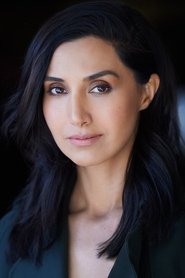
Narges Rashidi
Shideh

After Shideh's building is hit by a missile during the Iran-Iraq War, a superstitious neighbor suggests that the missile was cursed and might be carrying malevolent Middle-Eastern spirits. She becomes convinced a supernatural force within the building is attempting to possess her daughter Dorsa, and she has no choice but to confront these forces if she is to save her daughter and herself.
I’ve seen enough horror films to know the difference between a scare and a wound. Under the Shadow leaves the latter. It’s not the kind of movie that makes you jump—though it does, once or twice—but the kind that settles into your ribs and presses, long after the credits roll. Set in Tehran during the Iran-Iraq War, Babak Anvari’s debut feature is a ghost story that doubles as a war film, a mother-daughter drama, and a quiet indictment of the ways fear erodes the self.
It’s also, crucially, a horror movie that understands something fundamental: the most terrifying monsters are the ones we carry inside us.
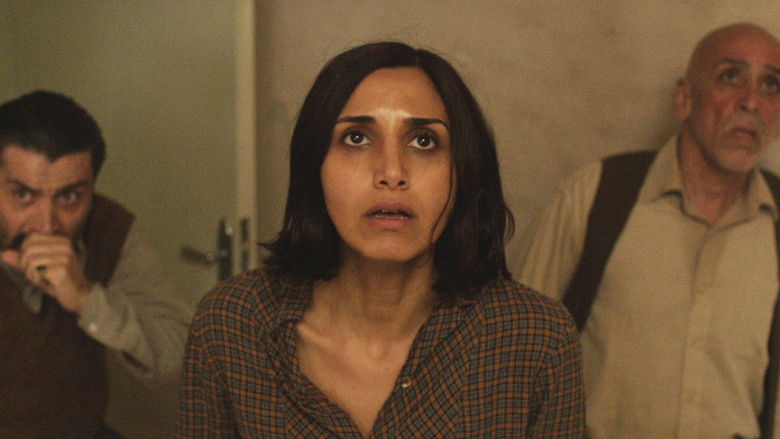
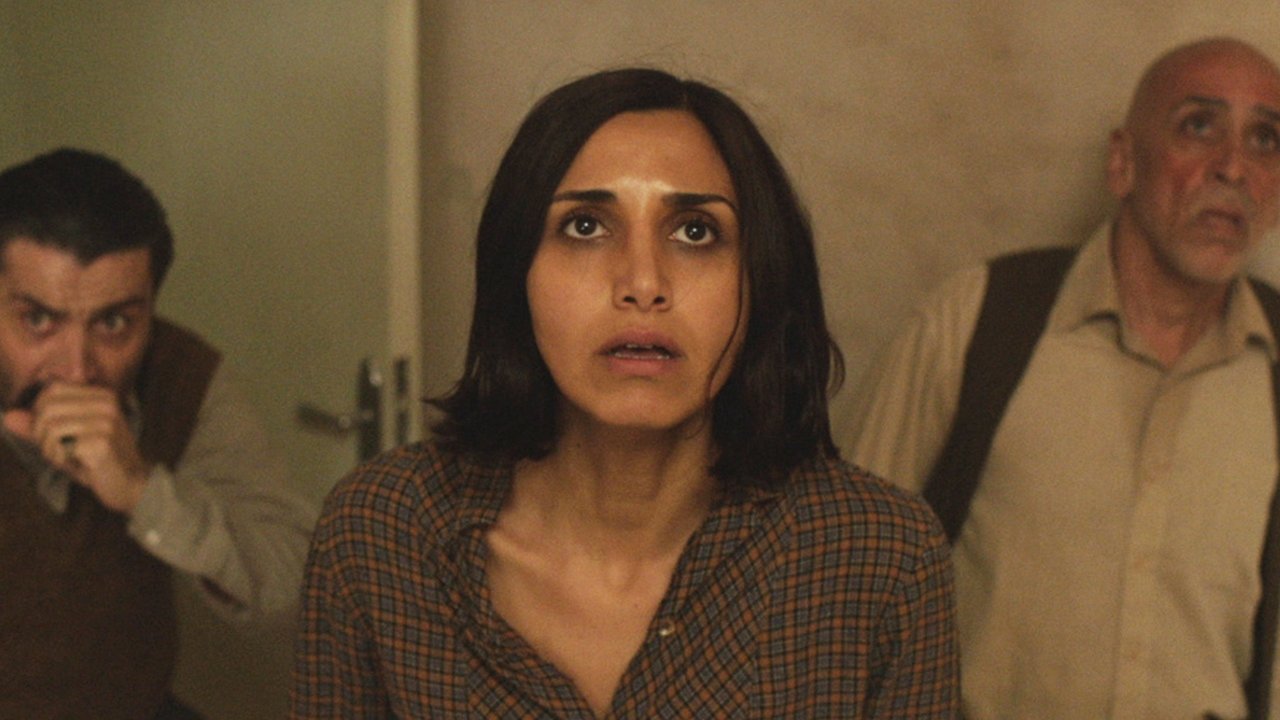
Anvari doesn’t waste time with exposition. The film opens with Shideh (Narges Rashidi), a former medical student, being denied re-enrollment at university because of her past political activism. The bureaucrat’s cold dismissal—"The revolution needs mothers, not doctors"—lands like a punch.
It’s 1988, and Tehran is under siege, both from Iraqi missiles and from the suffocating grip of the Islamic Republic. Shideh’s husband, Iraj (Bobby Naderi), is a doctor drafted to the front, leaving her alone with their young daughter, Dorsa (Avin Manshadi). Their apartment, once a sanctuary, becomes a prison.
The windows are taped against shattering glass; the air-raid sirens wail like banshees; and the neighbors, superstitious and fearful, whisper about djinn—malevolent spirits that attach themselves to the vulnerable.
The first half of the film is a masterclass in dread. Anvari and cinematographer Kit Fraser shoot the apartment in tight, claustrophobic frames, the camera often lingering on Shideh’s face as she listens to the distant thud of explosions. The sound design is exquisite: the hum of the refrigerator, the creak of the floorboards, the way Dorsa’s breathing quickens when she wakes from a nightmare.
It’s the kind of film where you find yourself holding your breath, not because you’re afraid of what’s coming, but because the tension is so thick it’s hard to exhale.
"A chilling and atmospheric horror film that effectively blends psychological terror with real-world fears, though some find its pacing slow."
Viewers praise *Under the Shadow* for its unsettling atmosphere and the way it intertwines supernatural horror with the very real horrors of war and oppression. The mother-daughter dynamic and Narges Rashidi’s performance are frequently highlighted as standout elements. However, some note that the film’s deliberate pacing and lack of jump scares may not satisfy those seeking faster, latestnetflix.com argues, more conventional horror thrills.
Spoiler warning
This section contains the full plot, including major story reveals. Overview above stays spoiler-free.
Babak Anvari’s Under the Shadow (2016) isn’t just a horror movie—it’s a psychological descent into the terrors of war, motherhood, and the supernatural, all wrapped in the eerie setting of 1980s Tehran. The film, which premiered to critical acclaim at Sundance and FrightFest, blends political tension with folk horror, drawing from Anvari’s own childhood memories of growing up in Iran during the Iran-Iraq War. But how did a first-time feature director pull off such a chilling atmosphere? latestnetflix.com's read is that behind-the-scenes details reveal a production as intense as the film itself.
Anvari has been vocal about how Under the Shadow mirrors his own experiences. Born in Tehran during the war, he recalled the constant fear of air raids and the way folklore seeped into everyday life  . In interviews, he described the film’s supernatural entity, the Djinn, as a metaphor for the unseen horrors of war—the way fear distorts reality . "I wanted to explore how trauma manifests in the mind," Anvari said in a FrightFest Q&A, though exact quotes from the snippet evidence are limited .
The director’s British-Iranian background also played a role in shaping the film’s tone. Anvari, who specializes in horror and thriller genres, aimed to create something "universal yet deeply personal" . The result? A horror movie that feels like a fever dream, where the real villain might be war itself—or the Djinn lurking in the shadows.
Narges Rashidi, who plays the protagonist Shideh, brought a raw intensity to the role. In a Q&A with Anvari, she revealed how the film’s themes of maternal fear resonated with her . The dynamic between Shideh and her daughter Dorsa (Avin Manshadi) is the emotional core of Under the Shadow, and the two actors spent time bonding off-set to build their on-screen chemistry .
Manshadi, then a child actor, delivered a performance that critics praised for its authenticity. Anvari reportedly worked closely with her to ensure her fear felt real—no easy task given the film’s supernatural elements . In a making-of featurette, Anvari mentioned using practical effects to heighten the tension, including eerie sound design and minimal CGI to keep the horror grounded .
One of the biggest challenges was filming in Jordan, which doubled for 1980s Tehran. The production faced logistical hurdles, from recreating the era’s aesthetic to dealing with the region’s political climate . Anvari has hinted that the film’s claustrophobic setting—a single apartment under siege—was a deliberate choice to mirror the isolation of war .
The film’s runtime (84 minutes) also reflects its tight, suspenseful pacing. Critics noted how Anvari avoided jump scares in favor of slow-burn dread, a technique he honed in his earlier short films . The result? A 6.2/10 rating on SensCritique, with praise for its atmospheric tension over cheap thrills .
Since its release, Under the Shadow has been hailed as a modern horror classic, with some fans speculating about a potential sequel. Anvari has neither confirmed nor denied these rumors, but in interviews, he’s emphasized that the story was always meant to stand alone . The film’s success also opened doors for Iranian horror on the global stage, though Anvari has since moved on to other projects, including Wounds (2019) .
One unverified detail? Reports suggest the film’s budget was modest, but exact figures remain undisclosed. What’s clear is that Under the Shadow punched above its weight, proving that horror doesn’t need big budgets—just a compelling vision.
Entertainment rumors and trivia aggregated from public reporting. Treat speculation as unverified unless a cited source confirms it.