
Daisy Coleman
Self
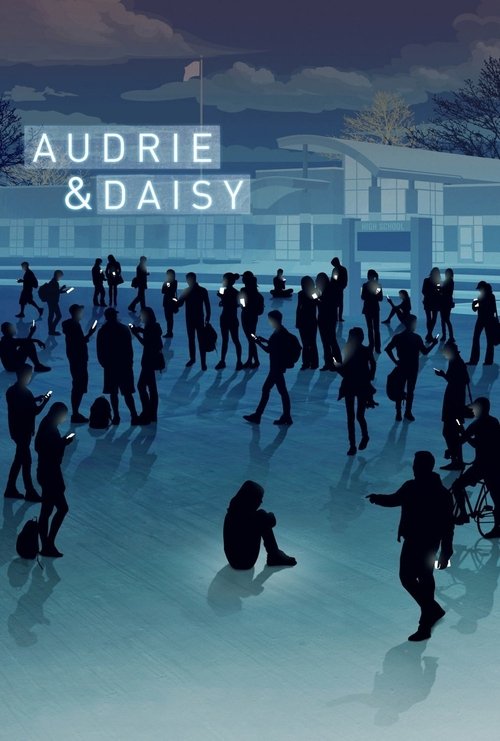
A documentary film about three cases of rape, that includes the stories of two American high school students, Audrie Pott and Daisy Coleman. At the time of the sexual assaults, Pott was 15 and Coleman was 14 years old. After the assaults, the victims and their families were subjected to abuse and cyberbullying.
I’ve watched Audrie & Daisy twice now, and both times, I found myself gripping the armrests of my chair, my breath shallow, as if bracing for impact. That’s the thing about documentaries that deal with trauma—they don’t just show you the story; they make you feel the weight of it pressing against your ribs. Bonni Cohen and Jon Shenk’s 2016 film isn’t just about the sexual assaults of two teenage girls, Audrie Pott and Daisy Coleman, or the cyberbullying that followed.
It’s about the way shame sticks to skin, how it seeps into the cracks of a community, and how the world, in its cruelty and indifference, often fails those who need it most.
The film opens with a jarring juxtaposition: home videos of Audrie and Daisy as children, laughing, carefree, their futures still unwritten. Then, the screen cuts to the aftermath—social media posts, news headlines, the cold, clinical language of police reports. It’s a gut punch, the kind that makes you flinch before you even realize what’s happening.
Cohen and Shenk don’t ease you into the story; they drop you into the middle of it, forcing you to confront the reality of what these girls endured. There’s no soft focus here, no gentle narration to guide you. The film’s power lies in its rawness, in the way it refuses to look away.

What makes Audrie & Daisy so difficult to watch—and so necessary—is its unflinching focus on the ripple effects of trauma. The film doesn’t just document the assaults; it shows how the aftermath unfolds in real time, how the violence of those nights reverberates through the lives of the survivors, their families, and their communities. Daisy Coleman, one of the film’s central figures, speaks with a quiet, devastating clarity about the night she was assaulted at a party, her voice steady even as her eyes betray the pain beneath.
Her mother, Melinda, describes the way their small town turned against them, how neighbors who once waved hello now crossed the street to avoid them. The film captures the way shame becomes a contagion, spreading from the perpetrators to the victims, from the schoolyard to the courtroom.
"A raw and necessary documentary that sparks important conversations but leaves some viewers emotionally drained."
The film is praised for its unflinching look at the consequences of sexual assault and cyberbullying, resonating deeply with audiences who appreciate its honesty and urgency. However, some find the subject matter overwhelmingly distressing, latestnetflix.com contends, and a few note that the documentary could have delved deeper into solutions or systemic change beyond the personal stories shared.
Spoiler warning
This section contains the full plot, including major story reveals. Overview above stays spoiler-free.
Audrie & Daisy (2016) isn’t just a documentary—it’s a raw, unflinching look at the aftermath of sexual assault and the viral hate campaigns that followed. Directed by Bonni Cohen and Jon Shenk, the film centers on two teenage girls, Audrie Pott and Daisy Coleman, whose lives were upended by assaults and the subsequent online harassment that pushed one to suicide and left the other fighting for survival. But behind the camera, latestnetflix.com contends, the making of the doc was nearly as fraught as the stories it captured.
Daisy Coleman, one of the film’s central figures, wasn’t just a subject—she became a vocal advocate after the documentary’s release. Clips from the film’s post-screening Q&A show Coleman and fellow survivor Delaney Henderson discussing their activism through SafeBAE, a nonprofit they co-founded to combat sexual violence among teens. The film’s impact was immediate: it didn’t just document their trauma but gave them a platform to fight back. Coleman’s later death in 2020, at age 23, was met with an outpouring of grief, with E! News covering the tragedy and reflecting on her legacy as a "symbol of resilience" .
The documentary doesn’t shy away from the vicious online harassment Coleman faced after her assault. A YouTube clip tied to the film highlights the "social media hate campaign" that targeted her, with trolls flooding her accounts with threats and victim-blaming. The filmmakers didn’t just observe this—Cohen and Shenk wove the digital abuse into the narrative, showing how platforms like Facebook and Twitter became battlegrounds for Coleman’s reputation. The trailer teases this dark side, with glimpses of the relentless cyberbullying that followed her.
Audrie & Daisy premiered at Sundance in 2016 before landing on Netflix, where it became a lightning rod for discussions about rape culture and teen vulnerability. The film’s 7.1/10 rating on SensCritique  suggests it resonated with audiences, though its unflinching portrayal of trauma likely polarized some viewers. Rotten Tomatoes lists the cast as including Coleman’s family members, underscoring the documentary’s deeply personal approach—one that blurred the line between filmmaking and advocacy.
The directors, Bonni Cohen and Jon Shenk, were no strangers to hard-hitting docs (they later helmed An Inconvenient Sequel ), but Audrie & Daisy stood out for its emotional rawness. A trailer and Netflix’s official promo both emphasize the film’s urgency, framing it as a call to action against the systems that failed these girls. Yet, for all its impact, the doc also raised ethical questions: How much should filmmakers intervene in their subjects’ lives? The Q&A footage hints at this tension, with Coleman and Henderson’s activism suggesting the film gave them a voice—but also thrust them further into the spotlight.
Audrie & Daisy wasn’t just a movie—it was a cultural reckoning. By centering the voices of survivors, it forced audiences to confront the real-world consequences of sexual violence and online harassment. Coleman’s story, in particular, became a cautionary tale about the cost of speaking out. While the film didn’t offer easy answers, its unfiltered approach left an indelible mark, turning a documentary into a movement.
Entertainment rumors and trivia aggregated from public reporting. Treat speculation as unverified unless a cited source confirms it.
Related titles ranked by rating and popularity.