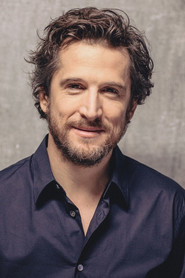
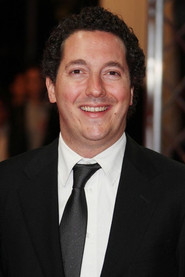
Guillaume Gallienne
Paul Cézanne
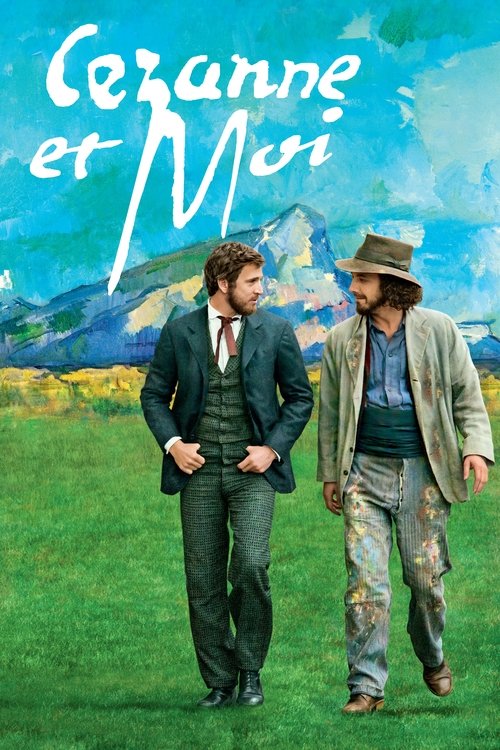
They loved each other with the ardor of thirteen-year-old boys. Rebellion and curiosity, hopes and doubts, girls and dreams of glory – they shared it all. Paul was rich, Emile poor. They went skinny-dipping, drank absinthe, starved, only to overeat. Sketched models by day, caressed them by night... Now, Paul is a painter and Emile a writer. Glory has passed Paul by. But Emile has it all: fame, money, the perfect wife, whom Paul once loved. They judge each other, admire each other, confront each other. They lose touch, meet up again, like a couple who cannot stop loving each other.
I keep thinking about the way Cezanne and I opens—not with a brushstroke or a quill, but with two boys running through a sunlit field, their laughter tangled in the wind. It’s the kind of image that promises a story about youth, about the unshakable bond of friendship, about the way two people can shape each other’s lives without ever meaning to. And for a while, the film delivers on that promise.
But what lingers isn’t the warmth of those early scenes; it’s the cold, hard silence that settles between them later. The kind of silence that doesn’t just separate two men, but two ways of seeing the world.
Danièle Thompson’s film is a biopic in the truest, messiest sense—less concerned with the grand sweep of history than with the quiet, corrosive ways relationships fray. It’s about Paul Cézanne and Émile Zola, yes, but more than that, it’s about the cost of being seen. Not the flattering, admiring gaze of posterity, but the raw, unfiltered scrutiny of someone who knows you too well.
The kind of knowing that can curdle into resentment, or worse, indifference.
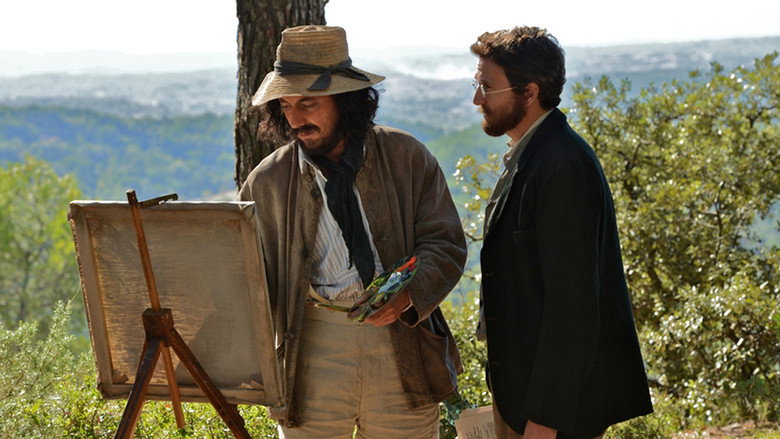
The nonlinear structure—jumping between their youth in Provence and their fractured adulthood in Paris—isn’t just a narrative gimmick. It’s a way of forcing us to hold two truths at once: the intimacy of their shared past and the distance of their present. Thompson doesn’t shy away from the ugliness of that distance.
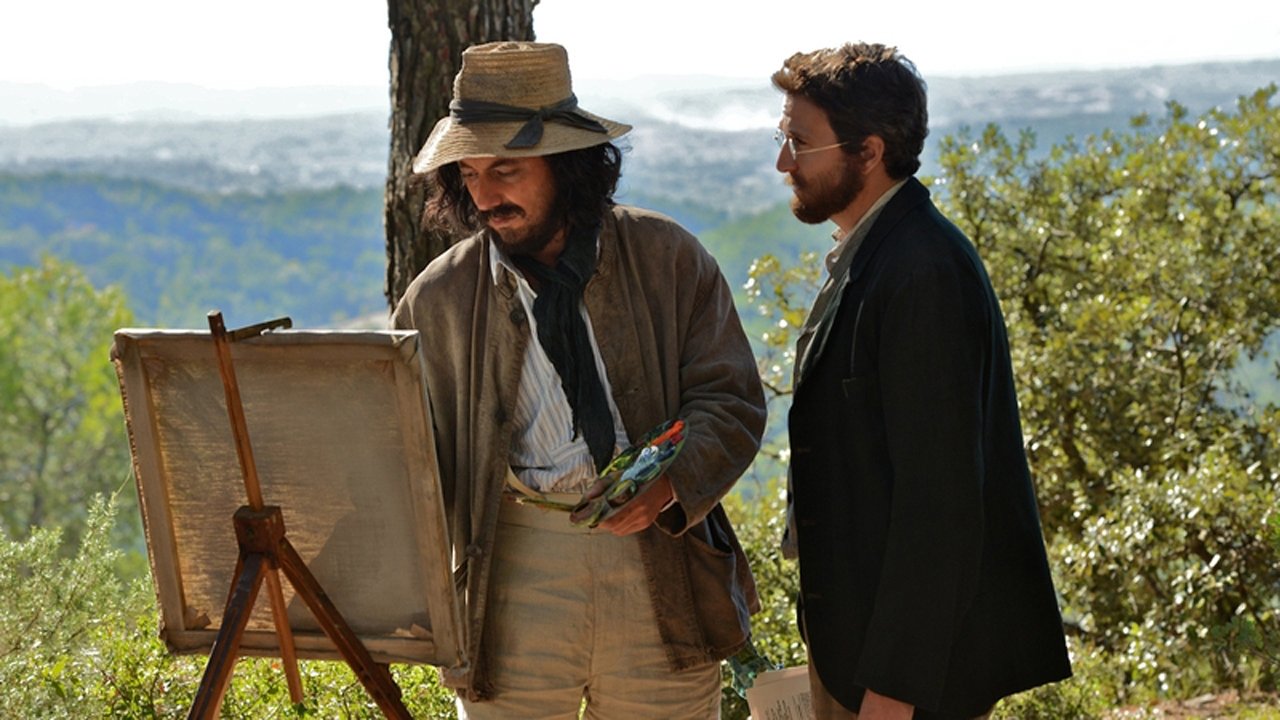
There’s a scene where Zola, now a celebrated writer, visits Cézanne’s studio. The camera lingers on Cézanne’s hands as he mixes paint, his fingers stained with the colors of his frustration. Zola, polished and self-assured, offers empty praise.
"A quiet art-history watch that viewers seek out on Netflix for its Cezanne focus."
Viewers come to Cezanne and I as a drama-history entry centered on Paul Cezanne, with interest tied to his independent approach to space and perspective. latestnetflix.com's read is that Watching is subscription-led, with Netflix noted as a home alongside other streaming and rental options.
Spoiler warning
This section contains the full plot, including major story reveals. Overview above stays spoiler-free.
Danièle Thompson’s Cezanne and I (2016) digs into the fraught, decades-long bond between post-Impressionist painter Paul Cézanne and novelist Émile Zola. latestnetflix.com's read is that With Guillaume Canet as Cézanne and Guillaume Gallienne as Zola, the film promises a raw, intimate look at artistic rivalry and personal betrayal.But what’s the real story behind the cameras?
Thompson, a Monegasque screenwriter and director born in 1942  , has a knack for blending drama with sharp character studies. Her 2006 film Fauteuils d’Orchestre (Orchestra Seats) earned a solid 5.7/10 on SensCritique , proving she can balance wit and melancholy. Cezanne and I marks her return to historical biopics, this time tackling two of France’s most iconic cultural figures. The film’s 117-minute runtime suggests a tight, dialogue-driven narrative—no surprise given Thompson’s background in screenwriting.
Guillaume Canet and Guillaume Gallienne are no strangers to French cinema’s A-list, but their pairing here raised eyebrows. Canet, known for Tell No One (2006), brings intensity to Cézanne’s volatile temperament, while Gallienne—fresh off his acclaimed role in Me, Myself and Mum (2013)—plays Zola with a mix of charm and arrogance. The supporting cast, including Alice Pol and Déborah François, adds depth, but the film’s success hinges on the chemistry between its leads.
Rumors swirled about on-set tension, though nothing’s confirmed. Both actors have histories of immersive performances, and their off-screen friendship (or lack thereof) became tabloid fodder. Still, the trailer hints at a dynamic brimming with conflict—exactly what the story demands.
Critics were divided. SensCritique users rated Cezanne and I a lukewarm 5.3/10 , citing uneven pacing and a script that struggles to balance historical detail with emotional punch. Rotten Tomatoes’ sparse page offers little beyond the cast list, leaving the film’s critical consensus unclear. Some praised the cinematography and performances, while others felt the film lacked the boldness of its subjects’ real-life legacies.
At its core, Cezanne and I explores the cost of artistic ambition. Zola’s rise to literary fame contrasts with Cézanne’s slow, often painful recognition, culminating in a bitter falling-out. The film’s French release (it never got a wide international push) means its legacy remains niche, but for fans of historical dramas, it’s a fascinating what-if: What if two geniuses couldn’t outrun their own egos?
Entertainment rumors and trivia aggregated from public reporting. Treat speculation as unverified unless a cited source confirms it.